How to Sharpen Tungsten Electrode for TIG
Proper tungsten preparation dictates arc stability and weld penetration. Mastering this mechanical process prevents contamination and weld defects.

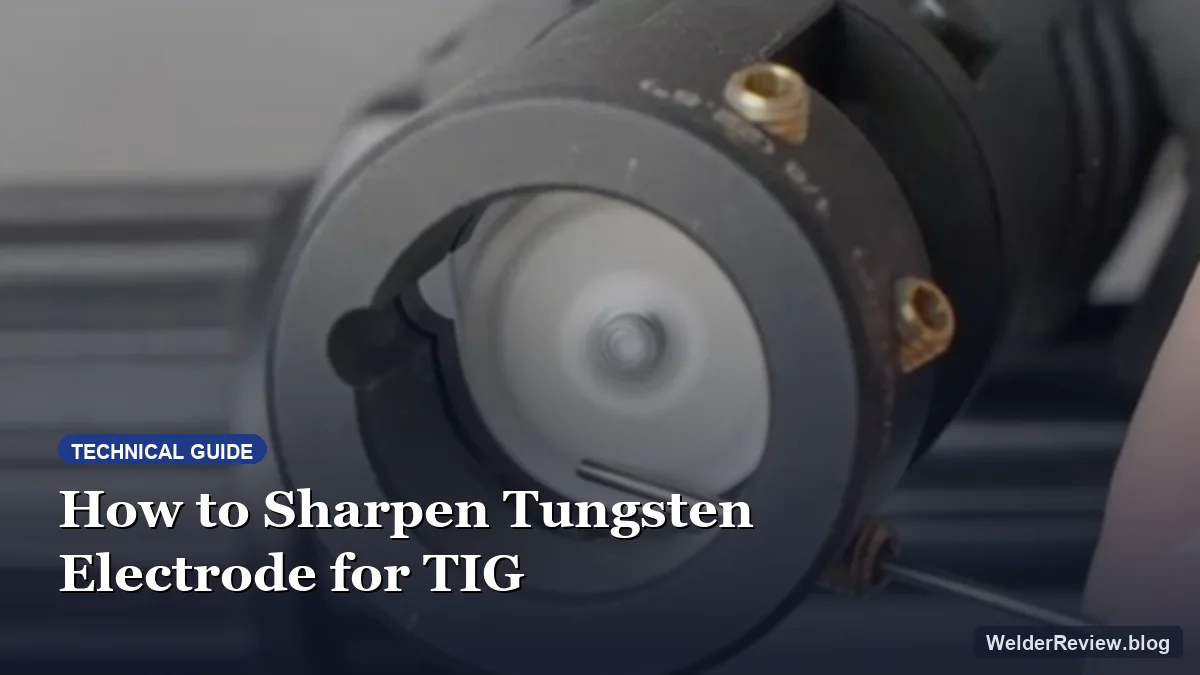
Always grind your tungsten parallel to the length of the electrode using a dedicated, clean diamond wheel. Never use standard grinding stones to avoid cross-contamination.
Ready to compare models? Start with our Best Welder: Top Home Shop & Jobsite Picks Tested.
Practical Quick-Reference Table
| Scenario / Metric | Recommended Target | Why It Matters |
|---|---|---|
| Grinding Wheel Type | Dedicated Diamond Wheel | Prevents metallic cross-contamination and micro-fractures. |
| Taper Length Ratio | 2 to 3x Electrode Diameter | Balances thermal concentration and arc stability. |
| Grinding Direction | Longitudinal (Axial) | Concentrates electron flow straight to the apex. |
| Apex Flat Spot | 0.010 to 0.030 inches | Prevents rapid tip melting and tungsten inclusions. |
| Rotational Speed | 3000 to 5000 SFPM | Eliminates thermal shock and structural warping. |
| Safety Protocol | HEPA Vacuum & Respirator | Captures hazardous rare-earth oxide grinding dust. |
Understanding Tungsten Types and Current Ratings
Selecting the correct tungsten alloy dictates your overall arc stability and current capacity. Pure tungsten suits alternating current aluminum welding, while alloyed variants manage direct current carbon and stainless steels efficiently.
Lanthanated and ceriated electrodes offer excellent arc starts and long service lives. Choosing the proper diameter requires matching your amperage range to prevent premature melting or balling of the electrode tip.
Standard electrode diameters range from 0.040 inches up to 1/4 inch for heavy industrial applications. Matching tungsten size to your joint configuration ensures optimal arc pressure and heat input distribution across the weld.
Inspecting raw stock before preparation prevents hidden inclusions from causing erratic arc wander. Always verify the manufacturer color code stamped on the end to confirm proper alloy selection prior to machining.
Selecting the correct alloy directly impacts arc stability. 2% thoriated tungsten remains popular for carbon steels, but radioactive risks require proper handling and dedicated grinding setups to prevent hazardous dust inhalation during preparation.
Modern fabricators frequently substitute thoriated rods with lanthanated tungsten. Available in 1.5% or 2% concentrations, these non-radioactive electrodes deliver exceptional ignition performance and maintain ball tips reliably under high AC amperage loads.
When joining aluminum alloys using alternating current, pure tungsten creates a stable cleaning action. Choosing the best tig welder for aluminum paired with alloyed alternatives provides higher current-carrying capacities to prevent melting.
Matching electrode diameter to joint thickness prevents excessive heat input. Operating a 1/16-inch electrode beyond 150 amperes causes rapid splitting and thermal shock, whereas a 3/32-inch variant handles up to 250 amperes without structural degradation or splitting.
- Match alloy type to base material and current mode.
- Select diameter based on operating amperage requirements.
- Inspect stock for surface cracks or straightness defects.
- Verify color bands against current AWS specification charts.
Grinding Mechanics and Wheel Selection Standards
Dedicated grinding wheels prevent weld contamination caused by residual metals embedded in the abrasive surface. Diamond wheels provide the clean, precise cutting action required for tungsten without fracturing the brittle crystalline structure.
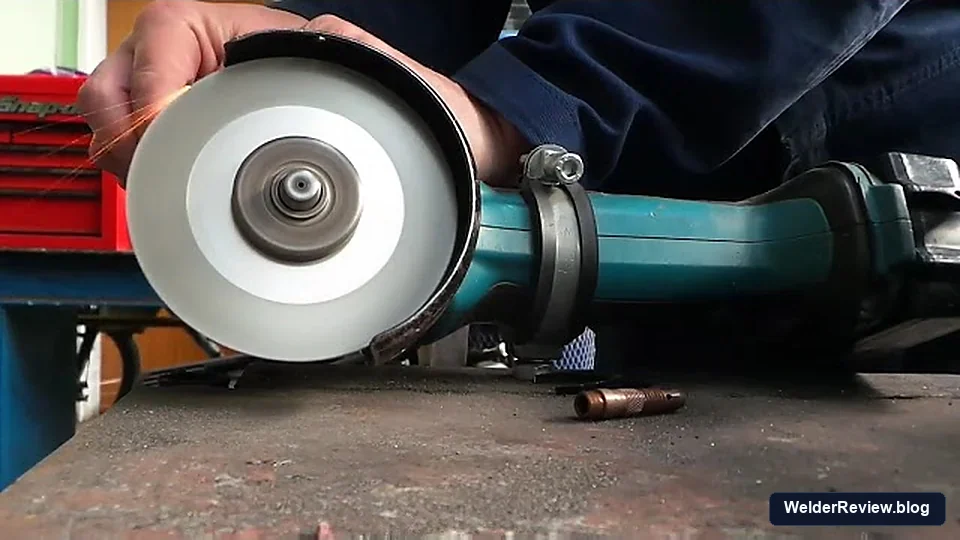
Never share your tungsten grinder with carbon steel or aluminum fabrication tasks. Reviewing tig vs mig for aluminum processes helps prevent transferring ferrous particles into the tungsten during preparation.
Maintain a dedicated abrasive wheel speed between 3000 and 5000 surface feet per minute. Excessive rotational speed generates localized thermal shock, leading to micro-cracks along the tapered length of the electrode.
Bench-mounted dedicated grinders with enclosed containment systems offer superior ergonomic control and repeatability. Using mechanical angle guides ensures consistent taper lengths across multiple electrodes during high-production welding shifts.
Dedicated equipment prevents cross-contamination from carbon steel or aluminum particles. Using a boron nitride wheel ensures clean cutting edges without loading aluminum build-up, significantly extending the lifespan of your abrasive consumables in professional welding environments.
Standard aluminum oxide wheels frequently deposit foreign debris onto the tungsten surface. This embedded impurity causes erratic arc wander and tungsten spitting during critical root passes on stainless steel pressure piping joints.
Maintain wheel RPM specifications between 3,000 and 4,500 revolutions per minute to achieve optimal stock removal rates. Excessive wheel velocity generates localized thermal stress, causing micro-fractures along the newly ground tungsten taper length.
Inspect your grinding wheel surface frequently for deep grooves or uneven wear patterns. Dress the wheel face regularly using a diamond dresser tool to preserve a flat profile and guarantee consistent grinding contact angles.
- Use exclusively dedicated diamond abrasive grinding wheels.
- Avoid sharing grinding equipment with carbon steel tasks.
- Maintain stable rotational speed to prevent thermal shock.
- Employ mechanical jigs for repeatable taper angles.
Video Walkthrough: 4 Easy Ways to Grind Tungsten for TIG Welding | TIG Time
Step-by-Step Longitudinal Sharpening Technique
Hold the electrode firmly in a mechanical collet during the sharpening process. When using the best ac dc tig welder for the money, grind marks must run parallel to the electrode axis.
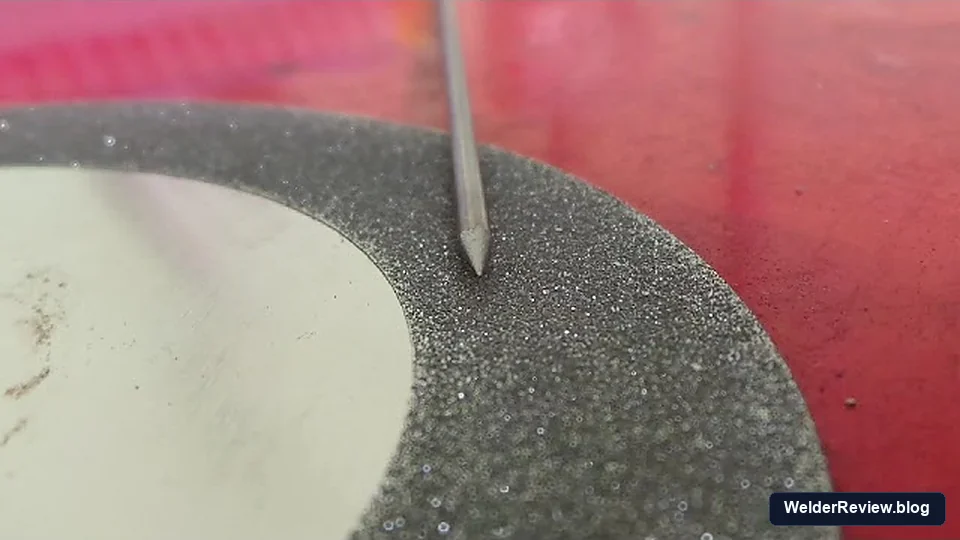
Radial grind marks perpendicular to the length force the electric arc to wander erratically. A longitudinal grain structure concentrates the electron emission straight toward the apex, ensuring a stable and focused arc cone.
Apply light, consistent pressure against the diamond wheel to minimize frictional heat buildup. Pressing too hard causes the tungsten to bow, creating an uneven taper and weakening the structural integrity of the metal.
Rotate the electrode continuously between your fingers while maintaining contact with the abrasive surface. Smooth rotation prevents flat spots and guarantees a perfectly symmetric conical shape around the entire circumference.
Always grind tungsten with the rotation axis parallel to the grinding wheel face. Cross-grinding creates microscopic horizontal ridges that force the welding arc to spiral unpredictably around the electrode tip during high-frequency ignition.
Secure the electrode firmly in a collet-based hand grinder or a specialized bench fixture to eliminate chatter. Apply light, consistent pressure against the abrasive surface to prevent overheating and premature thermal fracturing of the rod.
Rotate the tungsten smoothly between your fingers while moving it steadily toward the wheel edge. This continuous motion produces symmetrical striations running uniformly from the shank down to the sharpened apex point.
Conclude the grinding stroke by finishing the tip with a slight flat spot across the apex. Leaving a flat land measuring roughly ten percent of the electrode diameter prevents the fragile point from melting into the weld pool.
- Secure tungsten firmly in a collet or vise.
- Grind strictly parallel to the electrode length.
- Apply light, even pressure to avoid bowing.
- Rotate continuously for uniform symmetrical geometry.
Proper Taper Ratios and Electrode Apex Geometry
The ideal taper length should measure approximately two to three times the electrode diameter. Steeper angles distribute heat broadly, while very sharp tapers concentrate heat intensely for shallow, narrow joint penetrations.
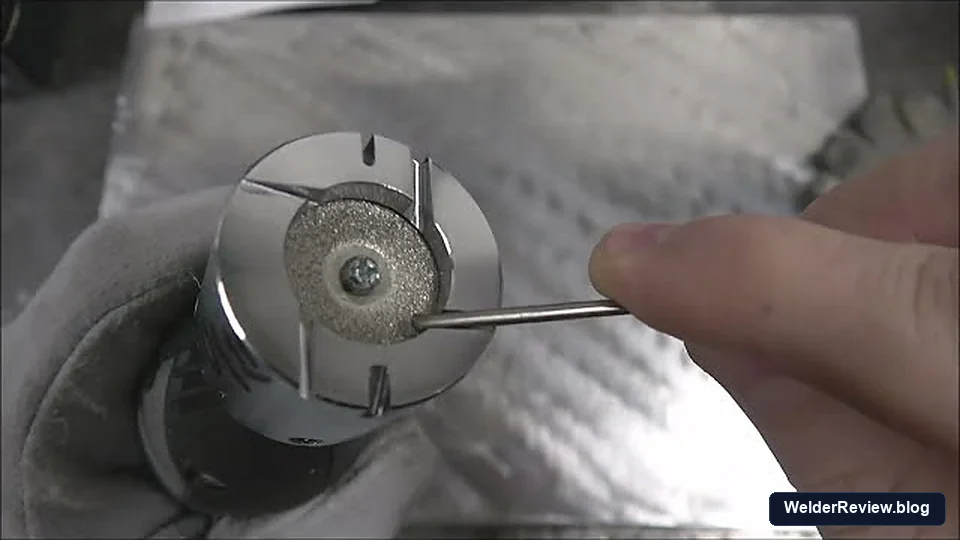
Always blunt the sharp tip of the freshly ground tungsten slightly before striking an arc. Leaving a small flat surface prevents microscopic tungsten particles from breaking off and contaminating your molten weld pool.
The diameter of the flat apex should match the specific amperage range you plan to use. Higher amperages require a larger flat spot to prevent the thin point from melting away during initial arc ignition.
Establishing a standardized geometry protocol across your shop improves welding consistency and quality control metrics. Train all operators to measure their electrode angles using dedicated gauge cards during daily quality checks.
The included taper angle dictates arc concentration and weld penetration depth. Industry standards recommend maintaining a taper length equal to two and a half times the electrode diameter for optimal arc stability across common steel applications.
Steeper tapers with longer lengths produce a narrow, focused arc column ideal for deep joint penetration. However, overly aggressive angles risk thermal erosion and rapid degradation of the delicate tip under high DC current.
Conversely, wider tapers scatter arc energy for low-amperage sheet metal fabrication. Using our welding amperage thickness calculator helps match the correct taper ratio to your specific joint configuration.
Inspect the finished geometry using a dedicated weld gauge or optical comparator. Ensuring precise symmetry guarantees that the plasma stream emits directly along the centerline without wandering off target during critical passes.
- Target taper lengths of two to three diameters.
- Always blunt the apex to prevent weld contamination.
- Size the flat spot according to operating amperage.
- Verify angles using standardized shop gauge cards.
Critical Safety Standards and Dust Mitigation
Tungsten grinding generates fine metallic dust containing rare earth oxides that require strict containment. Always wear an approved respirator mask and safety glasses to prevent inhalation or ocular exposure to hazardous particles.
Thoriated tungsten electrodes contain low-level radioactive thorium dioxide, necessitating rigorous personal protection protocols. Capture all grinding dust using a vacuum filtration system equipped with high-efficiency particulate air filters to maintain a safe workshop environment.
Never perform tungsten grinding operations in unventilated spaces or near flammable chemical storage areas. Proper exhaust ventilation protects workers from accumulating airborne contaminants and ensures compliance with occupational safety regulations.
Wash your hands thoroughly after handling unground or freshly machined tungsten electrodes before eating or drinking. Establishing strict hygiene habits eliminates accidental ingestion of residual metallic compounds in industrial shop settings.
Grinding thoriated tungsten releases radioactive dust particles and heavy metal oxides into your shop air. Always wear a certified respirator featuring HEPA filtration to prevent inhalation hazards during routine electrode preparation tasks.
Enclose your bench grinder within a vacuum extraction hood designed specifically to capture fine metallic particulate. Never use compressed air to clean grinding residues from your workstation, as this disperses dangerous dust throughout the environment.
Store used radioactive electrodes in designated, labeled containers compliant with local hazardous waste regulations. Avoid discarding contaminated grinding swarf into standard municipal trash receptacles to maintain environmental safety compliance in your facility.
Wash your hands thoroughly after handling unsharpened tungsten rods, especially before eating or smoking. Implementing strict personal hygiene protocols protects personnel from cumulative exposure risks associated with radioactive alloying elements in welding shops.
- Wear certified respirators during all grinding tasks.
- Utilize vacuum filtration for radioactive dust capture.
- Ensure adequate workshop ventilation and exhaust airflow.
- Practice strict personal hygiene after handling stock.
Preventing Tungsten Contamination During Welding
Accidental contact between the tungsten tip and the molten weld pool ruins the electrode instantly. If contact occurs, stop welding immediately and regrind the electrode to remove contaminated metal and restore arc clarity.
Insufficient shielding gas flow or excessive arc length can also degrade the tungsten tip prematurely. Verify your regulator flow rate and maintain a tight arc gap to preserve electrode longevity during production runs.
Use high-frequency arc starting units or lift-arc modes instead of scratch-starting on the base plate. Scratch-starting transfers filler metal onto the clean tungsten tip, causing immediate splitting and severe arc deflection issues.
Store spare tungsten electrodes in clean, protective containers to prevent accumulation of shop oils and moisture. Clean handling habits extend consumable lifespans and guarantee flawless radiographic weld inspections on critical structural components.
Accidental contact between the electrode tip and the molten weld pool instantly ruins your tungsten preparation. When tungsten touches the base metal, it creates a ball of contamination that disrupts arc stability and ruins weld integrity.
If contamination occurs, immediately stop welding and break off the damaged portion using wire cutters. Never attempt to continue welding with a fouled tip, as the inclusions will transfer directly into the completed weld bead.
Maintain correct shielding gas flow rates between 15 and 25 cubic feet per hour to protect the hot tungsten. Inadequate gas coverage or excessive drafts allow atmospheric oxygen to oxidize and degrade the sharpened apex.
Check your torch consumables regularly, including the gas lens and collet body, for loose fittings. Air leaks draw oxygen into the shielding envelope, causing rapid tungsten degradation and frustrating arc initiation failures across critical joints.
- Regrind immediately following accidental weld pool contact.
- Maintain correct shielding gas flow and tight arc gaps.
- Avoid scratch-starting directly on dirty base plates.
- Store electrodes in protective, sealed component cases.
Frequently Asked Questions
Why must tungsten be ground longitudinally?
Grinding parallel to the axis concentrates electron flow directly toward the apex for a stable arc. Radial marks force the electric arc to wander unpredictably across the joint.
Do I need a dedicated diamond wheel?
Diamond wheels provide clean cuts without fracturing the brittle tungsten structure. Sharing wheels with steel introduces ferrous contaminants that cause severe weld pool porosity and arc instability.
Should I blunt the tip of my tungsten?
Blunting the apex slightly prevents microscopic pieces from breaking off into the weld pool. A small flat spot stabilizes high-amperage arcs and prevents premature tip degradation.
How long should the tungsten taper be?
The optimal taper length should measure two to three times the electrode diameter. Steeper angles disperse heat widely, while longer tapers concentrate thermal energy for deep root penetrations.
How do I handle thoriated tungsten safely?
Thoriated electrodes contain radioactive oxides requiring proper dust collection and personal respiratory protection. Always capture grinding debris using HEPA filtration systems to maintain a safe workshop environment.