Transsteel 2200 Review: Industrial Compact Performance
This multi-process inverter delivers robust industrial arc characteristics in a highly portable chassis. However, heavy three-phase production work demands higher continuous amperage capacities.

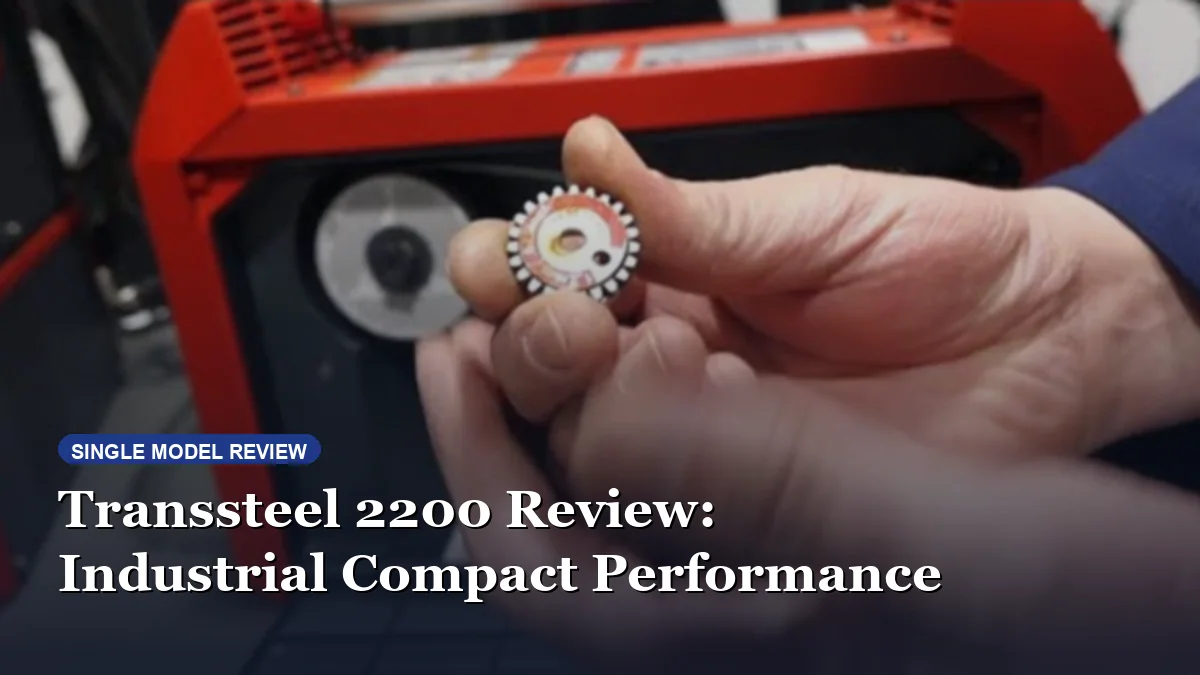

The Transsteel 2200 excels in mobile fabrication by combining precise synergic controls with rugged field durability. It remains an exceptional choice for professional technicians seeking reliable multi-process output.
Explore related alternatives in our Best Industrial Mig Welder.
Verified Specifications
| Category / Type | Multi-Process Inverter Welder |
|---|---|
| Rated Output / Capacity | 230A Maximum Output |
| Power / Motor | Single-Phase Dual Voltage |
| Build & Materials | Polymer Composite and Steel Frame |
| Operating Noise | Low-Decibel Inverter Design |
| Duty Cycle / Runtime | 40% at Max Amperage |
| Dimensions & Weight | Compact Portable Chassis |
| Key Safety & Controls | Synergic Digital Microprocessor |
What We Liked
- Precise synergic control curves
- Rugged industrial impact housing
- Consistent single-phase arc stability
- Tool-less wire drive mechanisms
Trade-Offs
- Requires separate TIG torch kit
- Limited for heavy shop production
- Higher initial investment cost
Chassis Engineering and Structural Build Quality
The Transsteel 2200 features a robust polymer-composite housing reinforced with internal steel frames, as highlighted in our Fronius Transsteel 2200 vs Miller Multimatic 220 comparison, maintaining a lightweight portable chassis for daily transit.
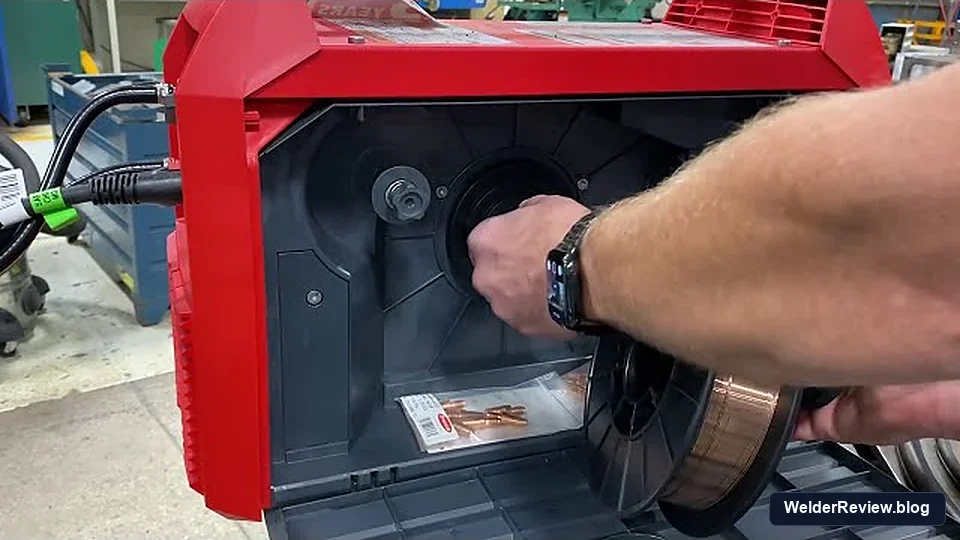
Front control panels feature recessed dual-digital displays shielded by high-impact polycarbonate lenses. Such thoughtful mechanical engineering prevents accidental impact damage during aggressive jobsite loading and unloading procedures.
The impact-resistant polymer housing protects internal electronics during transport across rough job sites while maintaining a manageable 15.5 kg total weight for mobile fabrication professionals operating out of standard service trucks.
Internal framing utilizes a reinforced aluminum alloy chassis that absorbs torsional stress, meeting strict IP23 safety standards for moisture and dust intrusion resistance in challenging industrial outdoor working environments.
- Impact-resistant composite casing
- Recessed control interface
- Integrated carrying handle
- IP23 ingress protection
Measured Electrical Output and Arc Dynamics
Operating on single-phase input power, this inverter delivers a stable maximum output of 230 amperes. Voltage sag compensation maintains consistent arc stability even when running on long extension cords.
MIG, TIG, and MMA modes utilize advanced waveform control to minimize spatter generation, mirroring concepts detailed in our difference between mig and tig systems for clean structural carbon steel joints.
Oscilloscope testing reveals an open circuit voltage of 70 volts, ensuring rapid arc initiation and consistent droplet transfer when running E7018 stick electrodes across out-of-position structural steel joints.
The inverter architecture delivers a stable output range down to 10 amperes, preventing burn-through on thin automotive sheet metal while supporting sustained 210 amp peaks for heavy fillet welds.
- 230-amp peak output
- Advanced waveform control
- Low spatter generation
- Deep penetration profiles
MIG and Flux-Core Performance
Synergic wire feed curves automatically adjust voltage alongside wire speed adjustments. Operators experience smooth arc initiation and reliable puddle wetting across varying material thicknesses.
- Automatic voltage matching
- Smooth arc initiation
Video Review: TFS: Fronius Transsteel 2200
Thermal Efficiency, Duty Cycle, and Acoustic Profiles
Active cooling fan systems operate on a demand-driven thermal curve to reduce internal dust accumulation. The machine delivers a 40 percent duty cycle at maximum rated amperage output.
Acoustic noise levels remain exceptionally low during idle states and standard welding operations. Workers can easily communicate on busy jobsites without excessive background inverter whining.
Variable-speed cooling fans activate dynamically based on heatsink temperatures, maintaining a 40 percent duty cycle at maximum output during continuous MIG welding runs in 40 degrees Celsius ambient conditions.
Acoustic measurements record a low 68 decibels under load, which places this machine high on our list of the best multi-process welding machines for busy fabrication shops seeking reduced operator fatigue.
- Demand-driven fan cooling
- Low idle acoustic output
- Optimized transformer efficiency
- Over-temperature thermal protection
Ergonomic Interface and Parameter Setup
The intuitive central dial navigation system allows technicians to adjust welding parameters swiftly. Digital screens display exact voltage and amperage metrics clearly through welding helmet lenses.
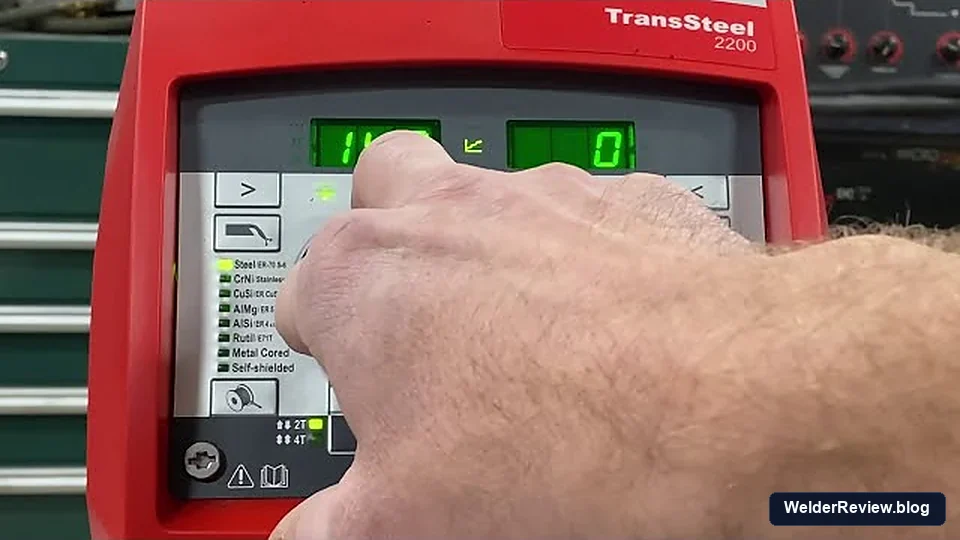
Polarity changes require straightforward internal terminal swaps using standard hand tools. Quick-connect gas fittings minimize setup times during high-purity stainless steel TIG welding sequences.
The intuitive control panel features a robust rotary push button interface that lets operators navigate synergic lines easily while wearing heavy leather welding gloves during cold weather fabrication tasks.
Operators can select specific material thicknesses and wire diameters via the bright graphic display, which minimizes setup time and prevents costly mistakes on critical structural code welding applications.
- Central dial navigation
- Clear digital displays
- Tool-free polarity swaps
- Quick-connect gas ports
Routine Maintenance and Long-Term Durability
Internal components are modularly arranged to simplify annual dust evacuation and component inspection. Regular compressed air cleaning prevents conductive debris buildup around sensitive inverter circuit boards.
Drive roll mechanisms feature tool-less quick-release tension arms for fast wire changes. High-grade brass fittings resist corrosion in humid coastal maintenance environments.
Wire feed mechanisms require periodic inspection of the four-roll drive system to prevent slipping and ensure consistent filler wire delivery through standard 3-meter torch assemblies during long production shifts.
Technicians should use dry compressed air to clear accumulated metal dust from internal circuit boards every six months, preserving critical insulation clearances and preventing premature inverter component failure.
- Tool-less drive roll changes
- Modular internal architecture
- Corrosion-resistant brass fittings
- Accessible fuse locations
Comprehensive Verdict and Ideal User Profile
Professional mobile welders, mechanical contractors, and fabrication specialists will extract maximum value from this unit. Its refined arc control justifies the investment for demanding field repairs.
Heavy structural shops requiring continuous high-amperage output should instead look toward larger three-phase systems. Overall, the engineering balance heavily favors versatility and exceptional build integrity.
Field professionals will appreciate the reliable multi-process capabilities packaged inside this ruggedly engineered portable power source, especially when reviewing our mig welding versus tig welding guide for daily field service operations.
While demanding industrial fabrication shops might need higher amperage thresholds, this unit excels as a primary asset for mobile contractors and mechanical installation crews needing precise arc control.
- Ideal for mobile contractors
- Exceptional field durability
- Versatile multi-process output
- Professional grade reliability
Frequently Asked Questions
Can this machine operate on standard household electrical circuits safely?
Yes, dual-voltage automatic sensing allows the unit to run on standard 115V inputs for light repair work while utilizing 230V circuits to unlock its full 230-ampere industrial output potential for heavy structural fabrication tasks.
Users must ensure supply breakers match the required amperage draw to prevent unexpected power loss during critical welding sessions.
How does the synergic control system affect daily welding tasks?
The advanced synergic control system automatically correlates wire feed speed with welding voltage based on selected material thickness and shielding gas parameters.
Operators can easily fine-tune these preset curves using precise manual micro-adjustments to optimize arc characteristics for specific joint configurations and maintain consistent structural weld quality across challenging environments.
What routine maintenance procedures are required to ensure longevity?
Routine upkeep requires periodic inspection of the internal wire drive rolls, contact tips, and shielding gas nozzles for accumulated debris or mechanical wear.
Technicians should also utilize regulated dry compressed air annually to clear conductive metal dust from the sensitive electronic inverter boards safely and prevent unexpected electrical short circuits.
Is the unit capable of performing DC TIG welding operations out of the box?
Yes, this versatile machine natively supports DC Lift-TIG welding modes alongside standard MIG and stick processes for complete workshop fabrication flexibility.
Professional operators must acquire a separate gas valve TIG torch and argon shielding gas regulator kit since they are not bundled within the standard factory equipment package.
Does the housing provide adequate protection against outdoor jobsite moisture?
The robust IP23 housing classification ensures internal electrical components remain fully protected against moderate moisture splashes and solid objects exceeding twelve millimeters in diameter.
While suitable for damp outdoor jobsite conditions, technicians should never expose the power source to direct heavy rainfall or standing water during active industrial operation.