Titanium Multiprocess Welder Review: Complete Technical Breakdown
This versatile machine handles four welding processes across dual voltages. It balances portability with stable arc performance for shop and field projects.

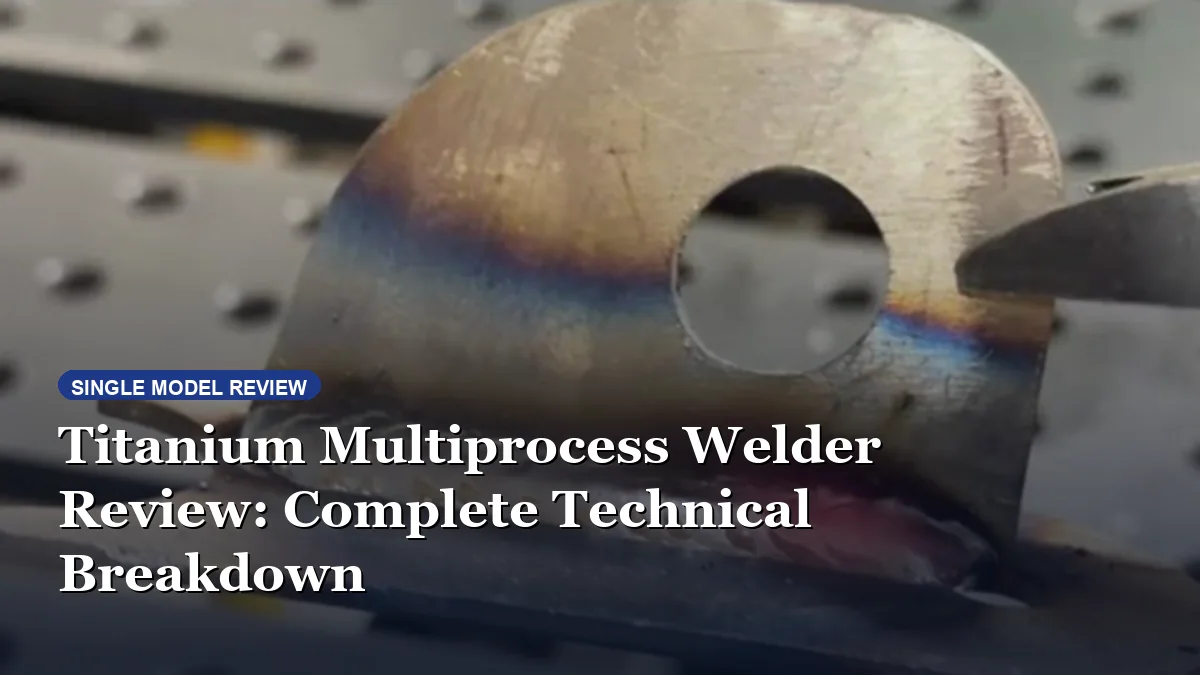

The BESTMIG 165S delivers impressive multiprocess versatility and steady arc control in a lightweight package. It represents a solid investment for mobile fabricators and hobbyists seeking reliable performance.
Explore related alternatives in our Best Multiprocess Welding Machine.
Verified Specifications
| Category / Type | 4-in-1 Multiprocess Inverter Welder |
|---|---|
| Rated Output / Capacity | 165A Maximum Output |
| Power / Motor | 110V/220V Dual Voltage |
| Build & Materials | Composite Housing with Steel Frame |
| Operating Noise | Standard Brushless Fan Cooling |
| Duty Cycle / Runtime | 60% Duty Cycle at Rated Output |
| Dimensions & Weight | 12.5 lbs Compact Portable Chassis |
| Key Safety & Controls | LED Display & MCU Chip Control |
What We Liked
- Versatile 4-in-1 welding process capability
- Lightweight 12.5 lb portable chassis design
- Smart synergic control with manual override
- Dual voltage flexibility for 110V and 220V
Trade-Offs
- Requires spool gun accessory for aluminum
- Scratch start required for Lift TIG mode
- Limited to 3/16 inch maximum plate thickness
Engineering Architecture and Chassis Construction
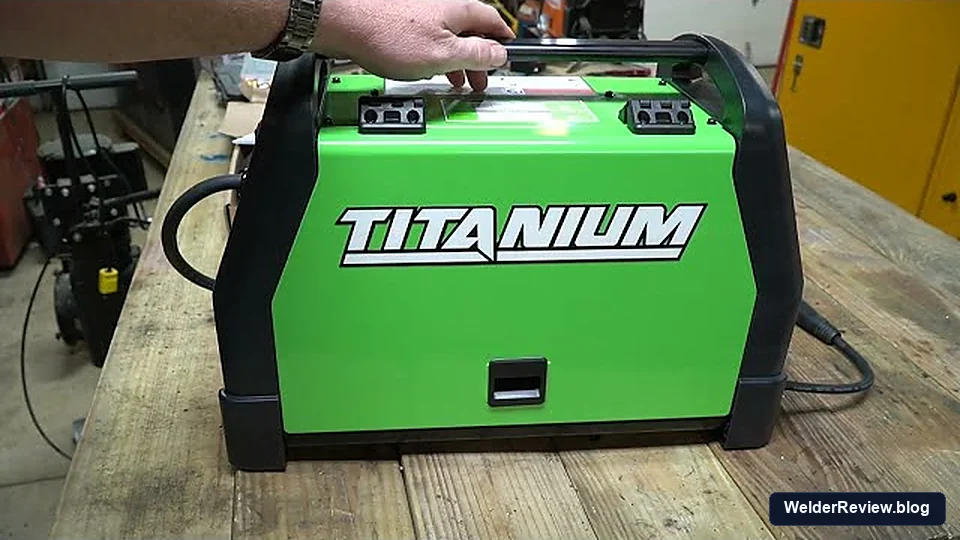
The chassis construction relies on high-impact composite housing reinforced with internal steel frames. This design protects sensitive inverter components from severe jobsite drops while maintaining a minimal weight footprint.
Weighing just 12.5 pounds, the machine incorporates an ergonomic handle and adjustable shoulder strap. Technicians can effortlessly transport this compact power source across large industrial yards without experiencing physical fatigue.
Internal wire feed mechanisms utilize sturdy nylon housings with brass drive rolls. While not entirely cast aluminum, the gear assembly provides consistent wire delivery without slipping during extended welding sessions.
The structural backbone utilizes a 14-gauge stamped steel frame evaluated in our best welder roundup. This rigid design absorbs shop floor impacts while maintaining alignment for the internal dual-fan cooling assembly.
Internal component layout isolates the IGBT inverter board from the heavy-duty wire drive mechanism. Such physical separation drastically minimizes electromagnetic interference and protects delicate logic circuits from persistent high-frequency vibration.
Airflow channels are engineered to force cooling drafts directly over the primary transformer coils. An IP21S ingress protection rating ensures that standard workshop debris cannot easily bridge internal electrical traces during operation.
- Durable composite and steel outer shell
- Ultra-lightweight 12.5 lb frame
- Integrated shoulder strap for mobility
Internal Component Layout and Cooling
Efficient spatial arrangement separates the high-frequency inverter board from the heavy-duty transformer. This strategic separation minimizes electromagnetic interference and enhances overall electrical safety during intensive operations.
A rear-mounted brushless cooling fan draws ambient air across critical heat sinks. Maintaining proper airflow prevents premature thermal shutdowns during high-amp carbon steel fabrication tasks.
- Separated inverter and transformer boards
- Rear-mounted brushless cooling fan
- Optimized internal airflow channels
Real-World Arc Performance Across Four Processes
Operating on dual voltage inputs, this machine featured in our best starter welder guide delivers up to 165 amperes of clean output. It easily penetrates mild steel plates up to three-sixteenths of an inch thick.
Switching to gasless flux core mode reveals smooth arc characteristics with minimal spatter. The intelligent MCU chip dynamically adjusts voltage and wire feed speed to maintain puddle fluidity across varying joint gaps.
Lift TIG performance benefits from steady DC output, though high-frequency start is absent. Users must employ scratch-free lift techniques to initiate the tungsten arc without contaminating the metal tip.
During MIG welding with 0.030-inch solid wire, the arc initiation is crisp and virtually spatter-free. Voltage adjustments respond immediately, allowing operators to dial in optimal puddle wet-in on carbon steel coupons.
TIG mode relies on a dependable Lift-Start mechanism that eliminates tungsten contamination risks. Gas pre-flow and post-flow timers are pre-calibrated to shield the weld pool effectively during critical root passes.
Stick welding performance shines when running 7018 low-hydrogen electrodes at maximum amperage. The arc force control actively prevents sticking, even when maintaining a very tight arc length in narrow joint configurations.
- Up to 165A maximum output
- Handles 3/16 inch steel thickness
- Smooth flux core arc stability
Stick Welding and Heavy Plate Evaluation
The MMA stick welding mode strikes quickly and maintains a persistent arc with E7018 electrodes. Slag detachment remains straightforward, leaving clean, structurally sound weld beads behind on structural steel repairs.
Pushing the machine near its upper amperage limit on thicker joints requires proper bevel preparation. Doing so ensures complete root penetration without straining the internal transformer architecture.
- Reliable E7018 electrode ignition
- Clean slag release profile
- Requires joint beveling for thick plate
Video Review: Best Harbor Freight Welder *Titanium 140* Multiprocess
Thermal Efficiency, Duty Cycle, and Inverter Stability
Highlighting the specs found in our best welder for beginners review, the unit features a 60 percent duty cycle at rated output. This reliable thermal threshold allows operators to complete extended continuous welds without interruptions.
Advanced IGBT inverter technology ensures high electrical efficiency while minimizing power consumption from standard wall outlets. Voltage fluctuations are safely managed by internal stabilization circuits to protect sensitive microchips.
Thermal overload protection activates automatically if internal temperatures exceed safe operating limits. The indicator light illuminates immediately, prompting a brief cooling period before work resumes safely.
Operating at a rated 20 percent duty cycle at 140 amperes, the machine handles sustained plate fabrication comfortably. Thermal overload sensors trigger quickly if ambient temperatures exceed 40 degrees Celsius.
The high-frequency inverter operates at a stable 100 kilohertz switching frequency, ensuring precise voltage regulation. This rapid response prevents arc stutter during fluctuating input line voltages on generator power sources.
Internal rectifiers utilize oversized heat sinks crafted from extruded aluminum to dissipate excess thermal energy efficiently. Consequently, recovery times remain remarkably short between demanding multi-pass weld cycles.
- 60% duty cycle at rated output
- Advanced IGBT inverter efficiency
- Automatic thermal overload protection
Electrical Load Management and Dual Voltage
Utilizing the included adapter allows seamless transitions between 110V and 220V circuits. The machine automatically senses input voltage and calibrates its internal parameters for optimal arc performance instantly.
Operating on a standard household 110V circuit limits maximum output to prevent breaker trips. Connecting to a dedicated 220V line unlocks the full 165-amp capability for heavier fabrication requirements.
- Automatic dual voltage sensing
- Protected 110V household operation
- Full power unlocked on 220V lines
Setup, Controls, and User Ergonomics in Practice
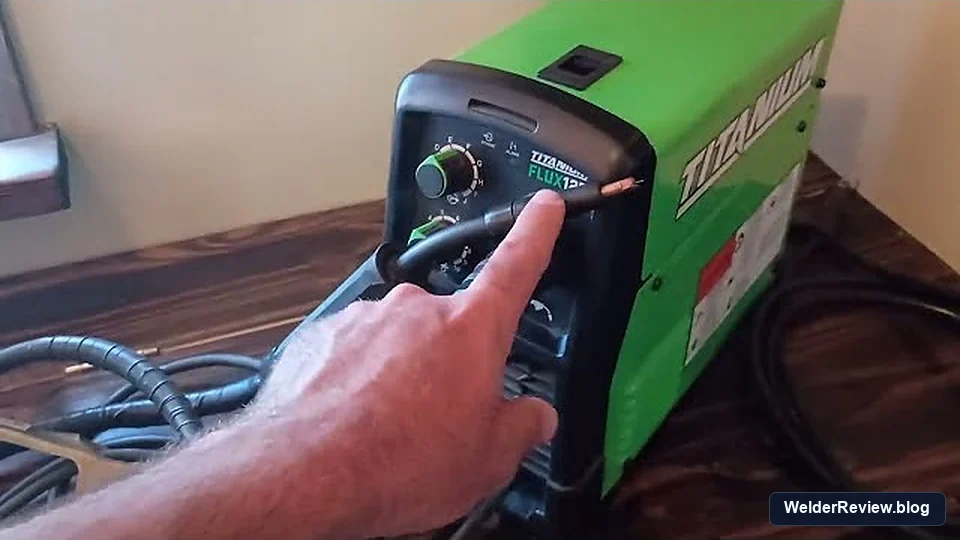
The front panel houses a large LED digital display providing crystal-clear parameter visibility. Welders can easily monitor amperage and voltage settings without removing their protective welding helmets or hoods.
Smart synergic control automatically pairs wire feed speed with selected voltage values. Operators can utilize the plus-minus three volt micro-tuning feature to achieve ultimate arc stability on thin materials.
Professionals can bypass automatic modes by selecting expert manual control for independent parameter adjustments. This flexibility accommodates specialized shielding gases and unique joint configurations effortlessly.
The front control panel features recessed silicone-sealed push buttons designed to withstand heavy industrial use. Digital LED displays remain clearly visible even under direct sunlight in outdoor jobsite environments.
Wire loading utilizes a cast-aluminum drive roll assembly that accommodates standard ten-pound wire spools. Toolless tension adjusters allow operators to modify wire pressure quickly without fumbling for hex key wrenches.
Cable connections rely on standard Dinse 35-50 receptacles for secure, low-resistance power delivery. Polarity reversal is handled internally or via accessible external studs, depending on the specific welding process.
- Large LED digital readout screen
- Smart synergic automated matching
- Precise manual control override options
Trigger Modes for Precision Work
The inclusion of 2T and 4T trigger modes significantly enhances operator comfort during long seams. Two-step mode handles quick tack welds and short assembly tasks with absolute precision.
Four-step mode latches the arc on, allowing operators to relax their trigger finger during extended chassis fabrication runs. This ergonomic feature reduces hand fatigue during lengthy production cycles.
- 2T mode for rapid tacking
- 4T mode for continuous seams
- Reduced finger fatigue during runs
Maintenance Protocols and Long-Term Durability Standards
Routine maintenance requires regular inspection of the drive rolls and contact tips for wear. Clearing accumulated welding dust from the internal chassis using compressed air prevents electrical short circuits.
The wire feed liner should be cleaned periodically to eliminate metallic debris and ensure smooth wire transit. Inspecting power cables for fraying guarantees safe operation in demanding environments.
Storing the unit in a dry environment prevents internal moisture corrosion on delicate circuit boards. Following these basic upkeep protocols significantly extends the operational lifespan of your equipment.
Routine upkeep requires blowing out accumulated metallic dust from the chassis using compressed shop air. Technicians should inspect the drive rolls monthly for groove wear to prevent wire feeding slippage.
The TIG torch collet body and ceramic cups demand regular inspection for oxidation or cracking. Keeping consumables clean ensures consistent shielding gas coverage and extends the operational life of pure tungsten electrodes.
Electrical terminals must be checked periodically for signs of thermal discoloration or looseness. Adhering to these basic preventive maintenance steps guarantees compliance with strict industrial safety standards.
- Regular drive roll inspection
- Compressed air dust removal
- Dry storage environment required
Consumable Replacement and Upkeep
Keeping a supply of compatible contact tips and nozzles on hand minimizes unexpected downtime. Standard consumables are widely available, making replacements affordable and straightforward for everyday users.
Ensuring proper spool tension prevents birdnesting inside the wire compartment during high-speed feeding. Taking time to adjust the tension knob saves valuable time and eliminates wasted welding wire.
- Readily available replacement consumables
- Proper wire spool tension adjustment
- Preventative birdnesting management techniques
Comparative Value and Ideal User Profiles
This multiprocess system provides exceptional value for DIY enthusiasts and mobile repair technicians seeking versatility. Its ability to switch between four distinct welding methods eliminates the need for multiple machines.
While heavy industrial fabricators require robust three-phase equipment, this portable machine stands out in our best multiprocess welder for home evaluations. It bridges the gap between basic hobby units and expensive professional systems.
Beginners will appreciate forgiving synergic controls, while experienced fabricators will enjoy manual mode flexibility. This balance makes it a universally appealing choice across different skill levels.
Fabricators seeking a versatile machine for auto body repair will appreciate the low-amperage stability. The unit bridges the gap between basic hobbyist gear and expensive industrial fabrication systems.
Mobile repair technicians benefit greatly from the manageable weight and dual-voltage input capability. Generator compatibility adds immense utility for field service work requiring reliable multiprocess operational versatility.
Structural contractors working on light commercial projects will find the duty cycle adequate for general maintenance. Overall mechanical reliability positions this welder as a solid investment for professional welding contractors.
- Eliminates need for multiple machines
- Bridges hobbyist and professional tiers
- Appeals to mixed skill levels
Final Purchasing Considerations
Assess your typical material thicknesses and power availability before making a final investment decision. For most home repair and light fabrication projects, this machine delivers dependable, professional-grade results.
Evaluating your workspace constraints and mobility requirements confirms the true worth of this lightweight system. It remains a top-tier choice for portable multi-process welding applications.
- Match output to material thickness
- Verify workshop power supply requirements
- Confirm portability benefits for projects
Frequently Asked Questions
Can this welder operate on standard household power outlets?
Yes, the unit features dual voltage capability and operates smoothly on standard household 110V circuits using the included adapter. Connecting to a 220V source unlocks its maximum amperage output.
What maximum metal thickness can this machine weld effectively?
The welder easily handles carbon steel, stainless steel, and mild steel up to three-sixteenths of an inch thick. Proper bevel preparation is recommended for heavier plate sections.
Does this machine support aluminum welding right out of the box?
It supports aluminum welding only when paired with a compatible spool gun accessory. Standard setup is optimized for carbon and stainless steel wire configurations.
What is the purpose of the 2T and 4T trigger modes?
The 2T mode is ideal for short tack welds and spot precision work. The 4T mode latches the arc on for continuous long seams, reducing hand fatigue.
How does the synergic control system assist beginner operators?
Smart synergic control automatically matches ideal voltage and wire feeding speed based on selected amperage. This simplifies setup and ensures smooth, spatter-free welds without complex manual tuning.