Miller Electric Syncrowave 210 Runner Review
This comprehensive technical review evaluates the Miller Electric Syncrowave 210 Runner package for demanding mobile fabricators. While its multiprocess versatility shines, the heavy weight challenges solo loading tasks.

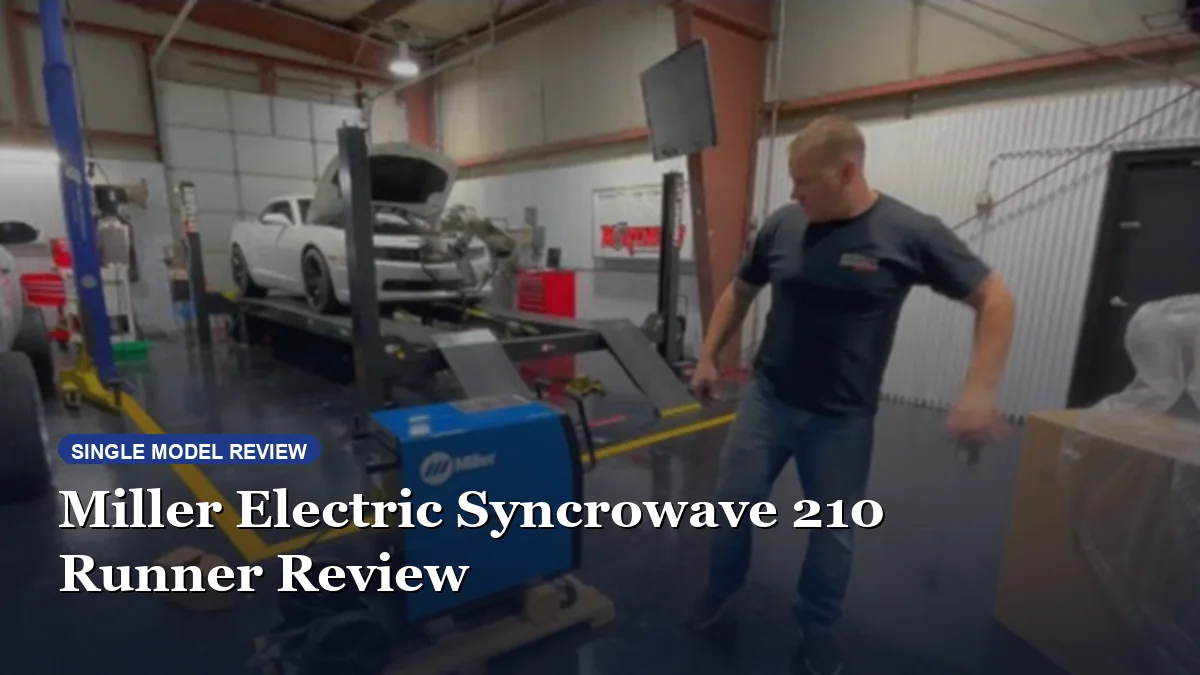

The Miller Syncrowave 210 Runner delivers exceptional multi-process utility and precise AC/DC arc control for professional shops. Despite its substantial footprint, the integrated running gear ensures reliable transport across demanding job sites.
Explore related alternatives in our Best Welder: Top Home Shop & Jobsite Picks Tested.
Verified Specifications
| Category / Type | Multiprocess AC/DC TIG, MIG, Stick System |
|---|---|
| Rated Output / Capacity | Up to 210 Amps output |
| Power / Motor | Multi-voltage plug 120V and 240V |
| Build & Materials | Industrial steel housing with cart |
| Operating Noise | Low-noise Fan-on-Demand cooling |
| Duty Cycle / Runtime | Optimized for light-to-medium shop fabrication |
| Dimensions & Weight | 43 x 22.5 x 31.5 inches, 144.5 lbs |
| Key Safety & Controls | Pro-Set, Auto-Set, RFCS-14 foot pedal |
What We Liked
- Seamless multi-process switching between TIG, MIG, and Stick.
- Included Spoolmate 150 gun enhances aluminum MIG productivity.
- Pro-Set and Auto-Set technologies eliminate parameter guesswork.
- Multi-voltage plug provides flexible job site connectivity.
Trade-Offs
- Heavy overall system weight complicates solo loading procedures.
- Premium initial investment compared to single-process alternatives.
- Large footprint requires dedicated shop floor clearance.
Engineering Architecture and Structural Build
The Miller Electric Syncrowave 210 Runner features a rugged industrial steel enclosure designed to withstand harsh mobile environments. Our detailed Multimatic 220 vs Syncrowave 210 analysis explores these structural differences in depth.
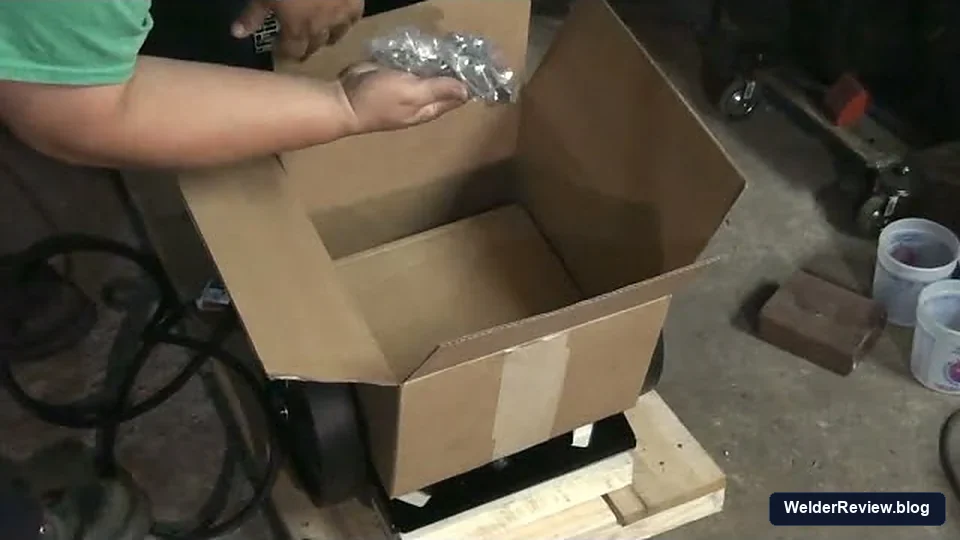
Integrated running gear elevates the machine off damp concrete while providing secure cylinder storage for shielding gas bottles. This thoughtful cart design significantly improves overall shop mobility without sacrificing structural stability during operation.
Cable management hooks and torch holders are strategically positioned to prevent cord tangles and premature insulation wear. Every external touchpoint reflects rigorous engineering standards tailored specifically for daily professional usage and transport.
- Reinforced steel panels protect internal electronics
- Integrated cylinder rack lowers tip risk
- Corrosion-resistant powder coat paint finish
Enclosure Resilience and Mobile Cart Integration
The custom-fit undercarriage secures heavy shielding gas cylinders directly beneath the power source for optimal center of gravity. Such mechanical balancing prevents accidental tipping when rolling across uneven asphalt or rough gravel surfaces.
Heavy-duty rear wheels and lockable front casters allow smooth directional steering within cramped workshop aisles or tight service trucks. Durable powder-coated finishes successfully resist rust accumulation and chemical corrosion over years of heavy deployment.
- Heavy-duty locking casters for secure stationary placement
- Balanced undercarriage design prevents tipping hazards
Real-World Arc Output and Process Performance
Delivering up to 210 amps of pure welding power, this machine handles diverse metal thicknesses. Reviewing our Lincoln and Miller machine comparison highlights how arc stability and low spatter rates vary across competing brands.
AC TIG welding benefits from advanced frequency controls that narrow the arc cone for pinpoint tungsten placement on aluminum. The resulting puddle behavior promotes deep root penetration without risking burn-through on thin-gauge sheet metal components.
Stick welding output remains remarkably consistent, striking instantly on rusty or painted metals without frustrating electrode sticking issues. Adaptive hot-start technology boosts initial amperage to guarantee flawless arc ignition under difficult field conditions.
- High-frequency TIG arc starting
- Stable aluminum MIG feeding
- Reliable stick arc ignition
- Adjustable AC balance control
Advanced AC/DC TIG and MIG Dynamics
High-frequency arc starting initiates tungsten without physical contact, preserving sharp electrode tips during delicate aerospace or automotive repairs. Operators can fine-tune balance and frequency parameters to clean stubborn aluminum oxide layers effortlessly.
Pairing the machine with the included Spoolmate 150 gun unlocks reliable aluminum wire feeding without birdnesting troubles. Precision drive rolls maintain steady wire tension for clean, porosity-free MIG welds on soft non-ferrous materials.
- Non-contact high-frequency arc initiation
- Precise wire drive tension adjustment
Video Review: How to Use the Miller Syncrowave 210 TIG/MIG Complete
Thermal Efficiency and Cooling Dynamics
Maintaining optimal internal temperatures is vital for long-term component longevity during extended heavy fabrication and production runs. The intelligent Fan-on-Demand cooling system activates only when necessary to reduce internal dust accumulation.
Airflow channels are engineered to draw ambient air across critical transformer windings and inverter boards efficiently. This targeted ventilation prevents localized hotspots from triggering premature thermal overload shutdowns during demanding structural projects.
Even when pushed near its maximum rated output, the internal thermal management maintains safe operating thresholds reliably. Operators experience uninterrupted workflow consistency without suffering unexpected production delays caused by excessive equipment heat buildup.
- Fan-on-Demand dust reduction
- Targeted transformer cooling channels
- Low ambient shop noise
- Reliable thermal overload protection
Smart Ventilation and Duty Cycle Management
Minimizing constant fan rotation significantly reduces ambient shop noise levels while keeping airborne grinding dust outside the chassis. Such low-maintenance cooling mechanics directly extend the operational lifespan of sensitive electronic control microprocessors.
Rated duty cycles provide ample run time for typical maintenance tasks, fabrication shops, and mobile repair trucks alike. Balancing amperage output with appropriate material thickness guarantees safe thermal performance across all three welding processes.
- Reduced airborne contaminant intake
- Sustained thermal stability during shifts
Usability, Setup, and Digital Control Interfaces
Navigating complex welding parameters is radically simplified thanks to intuitive digital interfaces and ergonomic control dials. The front panel layout allows operators to switch between TIG, MIG, and Stick processes in seconds flat.
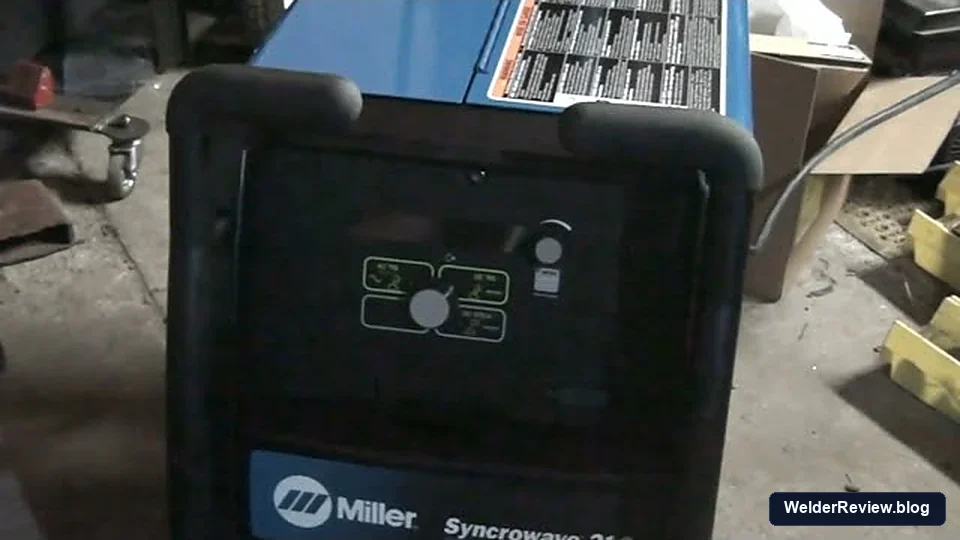
Built-in Pro-Set technology eliminates guesswork by automatically establishing pre-programmed expert parameters for common metal types and wire diameters. Novice fabricators achieve professional-grade results immediately while seasoned welders save valuable setup time every day.
The included RFCS-14 HD foot control provides responsive amperage modulation for intricate TIG welding applications requiring steady hands. Every digital adjustment registers instantly on the high-contrast display screen for maximum operator clarity.
- Pro-Set expert parameter shortcuts
- Auto-Set thickness calibration
- Multi-voltage toolless plug
- Responsive foot pedal control
Auto-Set Technology and Multi-Voltage Adaptability
Auto-Set mode calculates exact voltage and wire feed speeds based solely on joint thickness inputs provided by the user. This automated calibration ensures optimal puddle wetting and minimizes trial-and-error scrap metal testing before production.
Multi-voltage plug connectivity lets operators plug into standard 120V circuits or high-output 240V lines without tools. Automatic voltage selection adapts internal circuitry seamlessly, maximizing job site flexibility across residential and industrial locations.
- Automated joint thickness calibration
- Toolless multi-voltage power switching
Maintenance Protocols and Equipment Durability
Routine maintenance procedures are straightforward, requiring only basic compressed air clearing of internal dust accumulation periodically. Keeping the cabinet clean prevents electrical tracking and ensures long-term operational reliability across tough industrial settings.
Torch consumables like contact tips, nozzles, and tungsten electrodes inspect easily for wear during routine shift changes. High-quality brass connections resist oxidation and maintain low electrical resistance over thousands of arc ignition cycles.
Regular inspection of power input cords and welding cables prevents hazardous short circuits and voltage drops. Following factory service guidelines preserves the robust structural integrity engineered into every critical internal component assembly.
- Periodic compressed air cleaning
- Corrosion-resistant brass fittings
- Secure quick-disconnect torch ports
- Insulated power cable inspections
Consumable Longevity and Preventive Upkeep
Quick-disconnect torch fittings minimize downtime when switching between TIG torches and spool guns during busy shifts. Clean gas shielding lines prevent porosity and maintain optimal weld integrity over years of continuous service.
Protecting the inverter chassis from direct moisture exposure prevents internal corrosion of delicate printed circuit boards. Proper storage in climate-controlled environments extends equipment life significantly for mobile service vehicle applications.
- Fast-swap torch disconnects
- Moisture-resistant electronic board protection
Multiprocess Versatility in Modern Fabrication
Consolidating three distinct welding processes into a single mobile machine maximizes workshop floor space and budget efficiency. Fabricators no longer need separate dedicated power sources for steel MIG, aluminum TIG, and field stick welding tasks.
Transitioning from structural steel fabrication to thin aluminum requires only simple cable swaps. Checking our Miller and Lincoln helmet guide helps complete your professional protective gear setup.
Mobile repair technicians benefit enormously from carrying one comprehensive system capable of handling unexpected emergency roadside calls. The included running gear ensures the entire package rolls smoothly directly to the damaged equipment site.
- Unified control interface
- Reduced shop footprint
- Rapid process switching
- Flexible accessory compatibility
Maximizing Shop Productivity and Resource Allocation
Reducing equipment clutter frees up valuable bench space for larger assembly projects and heavy tooling fixtures. Shop managers appreciate the lower training overhead since operators only need to master one unified control interface.
Universal torch compatibility allows integration of specialized aftermarket accessories for unique industrial fabrication challenges and specifications. Flexible multiprocess architecture future-proofs small business investments against changing client project demands and material types.
- Minimized operator training curves
- Future-proof modular accessory support
Final Verdict and Professional Recommendations
When exploring alternatives inside our Hobart 210 vs Miller 211 comparison, professional fabricators quickly recognize why investing in advanced multi-process systems delivers superior long-term shop value.
While the overall weight makes solo lifting into high truck beds difficult, the rolling cart solves transport hurdles. Exceptional arc performance across AC/DC TIG, MIG, and Stick modes ensures this machine excels in demanding environments.
Workshops needing a dependable, all-in-one system will find this package delivers outstanding long-term value and precision output. Investing in this versatile unit elevates overall shop efficiency and guarantees professional results on every weld.
- Ideal for professional fabricators
- Excellent multi-process versatility
- Robust mobile cart design
- Reliable daily production output
Ideal Buyer Profile and Deployment Considerations
Mobile service contractors, custom automotive builders, and maintenance departments represent the core audience for this multiprocess powerhouse. Evaluating your typical daily power availability and material mix will confirm its excellent operational fit.
Choosing this comprehensive package eliminates the need for multiple separate machines without compromising on professional weld quality. Uncompromising multi-process capability makes it a cornerstone asset for modern metal fabrication workshops everywhere.
- Tailored for mobile service technicians
- Optimized for mixed-material fabrication shops
Frequently Asked Questions
Can this welder operate on standard household power outlets?
Yes, the machine features a convenient multi-voltage plug that connects seamlessly to standard 120V household circuits as well as higher-output 240V shop receptacles without requiring any manual tool changes whatsoever.
Automatic voltage selection internal circuitry safely adapts to your available electrical power source instantly to ensure reliable arc performance across diverse job site locations.
Does the package include everything needed for aluminum welding?
The comprehensive package includes a specialized Spoolmate 150 MIG gun alongside standard TIG torch components, allowing you to tackle aluminum wire feeding right out of the box without any extra equipment purchases.
Dedicated spool gun technology prevents common wire birdnesting issues while ensuring clean and porosity-free welds on soft non-ferrous materials every single time.
How does the Auto-Set feature assist novice operators?
Auto-Set technology automatically calculates precise voltage, amperage, and wire feed speeds based solely on the specific material thickness and joint type inputs provided by the operator.
This intelligent automation eliminates tedious parameter guesswork, ensuring optimal puddle wetting and professional weld results even for less experienced fabricators working on demanding shop deadlines.
What makes the Runner package more portable than base units?
The Runner package integrates a heavy-duty rolling cart featuring secure shielding gas cylinder storage and large transport wheels directly into the overall equipment assembly configuration for maximum mobility.
Built-in running gear allows you to roll the heavy power source smoothly across rough workshop floors and uneven job site terrain without physical strain.
Is the machine suitable for heavy industrial production work?
While it delivers exceptional output up to 210 amps, this versatile machine is optimized primarily for light-to-medium fabrication, maintenance repairs, and demanding mobile service truck applications.
Optimized duty cycles ensure reliable performance for daily shop tasks, though continuous multi-shift heavy plate welding applications may require larger industrial-grade power systems.