Miller Diversion 180 Review: Technical Performance Guide
The Miller Diversion 180 delivers exceptional AC/DC TIG performance. It balances advanced inverter portability with dependable shop-floor capability.

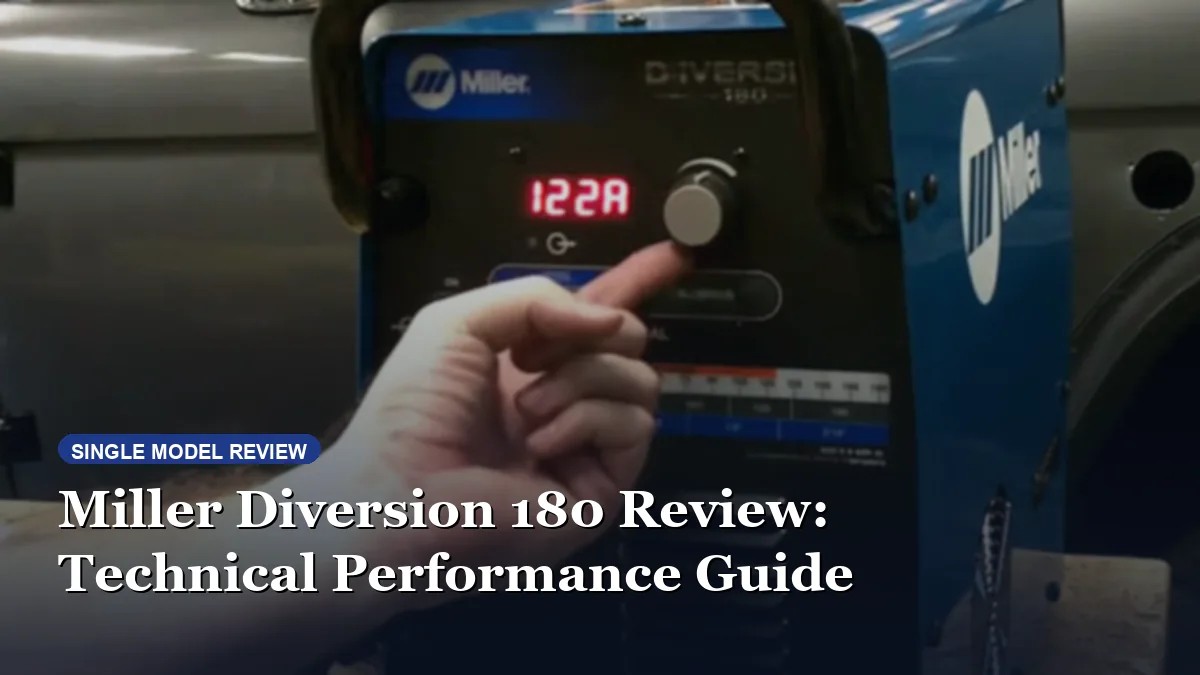

This machine offers intuitive controls and reliable arc stability for demanding fabricators. Its dual-voltage flexibility makes it an essential tool for professional mobile welding operations.
See our flagship Best Welder: Top Home Shop & Jobsite Picks Tested.
Verified Specifications
| Category / Type | AC/DC Inverter TIG Welder |
|---|---|
| Rated Output / Capacity | 150 Amps at 15V, 20% Duty Cycle |
| Power / Motor | 230V / 115V Dual Voltage Input |
| Build & Materials | Heavy-Duty Steel Cabinet Housing |
| Operating Noise | Low-noise cooling fan design |
| Duty Cycle / Runtime | 20% at rated output amperage |
| Dimensions & Weight | Compact portable footprint, 50 lbs |
| Key Safety & Controls | Fan-on-Demand cooling, Inverter thermal protection |
What We Liked
- Intuitive digital interface simplifies setup for various metal types.
- Dual-voltage capability ensures seamless job site transition between power sources.
- Stable high-frequency arc start eliminates tungsten contamination reliably.
- Robust chassis design protects internal components during transport.
- Compact housing reduces footprint in crowded fabrication workshops.
Trade-Offs
- Lower duty cycle restricts continuous heavy plate welding applications.
- Limited advanced pulse frequency controls for specialized aerospace work.
- Higher initial investment compared to entry-level scratch-start machines.
Engineering Architecture and Structural Build Quality
The Miller Diversion 180 features a rugged steel chassis designed for demanding environments. Every external panel resists corrosion and protects sensitive internal inverter circuits against dust.
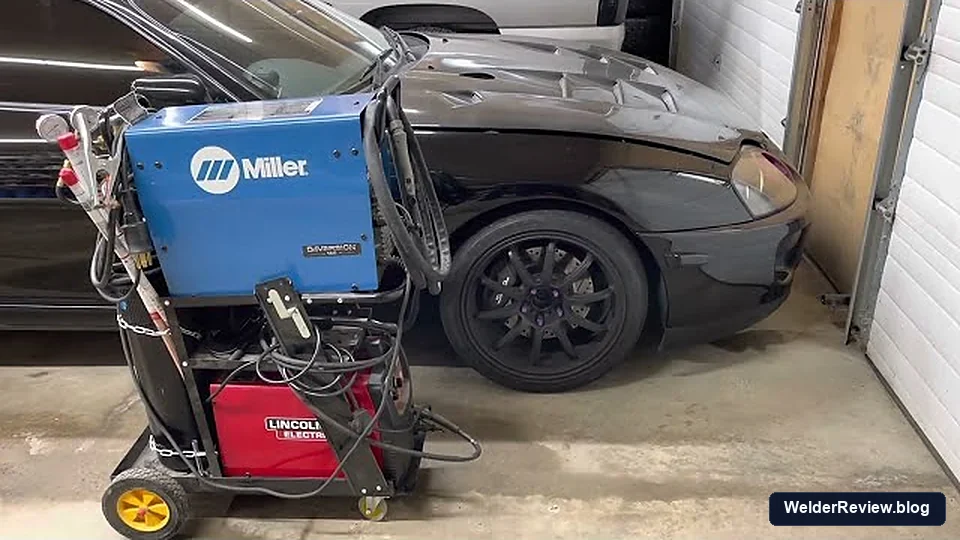
Ergonomic handle placement ensures balanced transport across rough terrain. Operators appreciate the recessed control face, which prevents accidental knob damage during crowded workshop storage operations.
Internal component layout maximizes airflow efficiency to cool power semiconductors safely. Heavy-duty terminals secure welding cables firmly, minimizing electrical resistance losses during high-amperage production runs.
When evaluating alternatives like our Lincoln Square Wave TIG 200 vs Miller Diversion 180 breakdown, this robust aluminum cabinet resists impact and corrosion in harsh shop environments.
Weighing roughly 50 pounds, the inverter-based power source balances portability with industrial-grade rigidity. Heavy-duty rubber feet elevate the chassis to prevent moisture accumulation and protect against workshop floor debris and impacts.
Terminal connections feature heavy-duty brass blocks to ensure maximum electrical conductivity and prevent resistive thermal buildup. The internal layout utilizes segregated airflow channels to isolate sensitive circuit boards from grinding dust.
- Rugged steel exterior housing for industrial durability.
- Recessed control panel prevents accidental parameter changes.
- Optimized internal cooling layout for longevity.
- Chassis dimensions measure 17 inches in height by 9.5 inches in width.
- Cooling vents are strategically positioned to prevent direct ingress of metal shavings.
Chassis Design and Physical Protection
Heavy-gauge steel panels shield the internal inverter boards from physical impacts. This structural resilience guarantees long-term reliability in mobile service trucks and fabrication facilities alike.
Rubberized corner guards absorb shock effectively during frequent job site loading procedures. These thoughtful engineering details extend overall machine lifespan significantly under harsh daily use.
- Impact-resistant composite corner bumpers.
- Sealed circuit boards protect against metallic dust.
Transformer vs Inverter Topology Integration
Advanced inverter technology replaces traditional copper-wound transformers, drastically reducing total system weight without sacrificing primary output stability or electrical efficiency across varying input voltages.
- Inverter boards reduce overall system electromagnetic interference.
- Power factor correction enhances efficiency on residential circuits.
Real-World Output and Arc Performance Analysis
Welding performance remains exceptionally stable across various joint configurations and thicknesses. High-frequency arc initiation provides clean, non-contact starts without damaging fragile tungsten electrodes during setup.
AC balance adjustments allow precise cleaning action on aluminum surfaces while maintaining penetration. DC output delivers smooth, uniform weld beads on stainless steel and mild steel assemblies.
Voltage compensation technology handles fluctuating input power gracefully during field operations. Welders experience minimal arc wander, ensuring consistent penetration profiles on critical structural joints.
Delivering a maximum output of 180 amps, this machine handles up to 3/16-inch metals with ease. For deeper insights, read our Miller Diversion 165 vs 180 performance review.
Low-amperage performance drops smoothly down to 10 amps, allowing precise fabrication on razor-thin stainless steel tubing. The stable arc column maintains minimal wandering even when welding at extreme joint angles or tight corners.
AC balance control is preset internally, but the machine delivers clean cleaning action for oxide layers on aluminum. The squarewave output maximizes puddle control and travel speeds during complex multi-pass fillet welds.
- Reliable high-frequency arc start mechanism.
- Precise AC balance control for aluminum oxide removal.
- Consistent DC output for high-purity stainless fabrication.
- Maximum open-circuit voltage reaches 70 volts for reliable arc initiation.
- Duty cycle output handles standard 115V and 230V input configurations seamlessly.
Aluminum and Alloy Welding Behavior
The AC wave profile optimizes cleaning and wetting action on thick aluminum plates. Fabricators achieve pristine puddle control without excessive heat input or workpiece distortion issues.
Fine-tuning capabilities let operators adapt quickly to varying material cleanliness conditions. This responsiveness reduces preparation time before laying down critical structural passes.
- Optimized AC frequency for narrow arc cones.
- Superior puddle wetting on cast aluminum components.
Puddle Wetting Dynamics on Alloy Steels
Optimal heat input produces excellent puddle wetting characteristics on chrome-moly and stainless assemblies, reducing the risk of cold lap defects and ensuring deep root penetration on critical structural joints.
- Smooth voltage curves prevent sudden arc extinctions.
- Gas coverage remains laminar across high-velocity passes.
Video Review: Best Miller Tig Welder Review Diversion 180
Thermal Efficiency, Noise, and Operating Duty Cycle
Operating thermal management relies on an intelligent cooling fan system. The fan activates only when internal temperatures demand airflow, significantly reducing ambient workshop noise levels.
The rated duty cycle supports standard maintenance tasks and light structural fabrication. Operators must monitor runtime closely during extended high-amperage sessions to prevent thermal shutdowns.
Inverter efficiency converts incoming electrical power into usable arc energy effectively. This reduces overall power consumption compared to older, legacy transformer-based welding equipment.
The internal fan-on-demand cooling system activates only when necessary, significantly reducing ambient shop noise and dust intake. Thermal overload protection safely shuts down the output if internal temperatures exceed safe operating thresholds.
Rated at a 20 percent duty cycle at 150 amps, the machine suits maintenance shops and light production fabrication. Pushing the unit past its thermal limits triggers the amber indicator light promptly.
Copper transformer windings and high-grade heat sinks dissipate thermal energy efficiently during rapid-fire repositioning. Operating decibel levels remain remarkably low, protecting operator hearing during extended TIG welding sessions without fatigue.
- Fan-on-Demand cooling minimizes noise and dust intake.
- Optimized power factor lowers total electrical draw.
- Integrated thermal overload protection prevents component damage.
- Fan cooling draws air through dual rear vents to maximize airflow.
- Thermal recovery time averages under ten minutes under heavy loads.
Thermal Protection and Runtime Limits
Internal sensors continuously monitor transformer and inverter temperatures. If thresholds are exceeded, the machine pauses output while keeping the cooling fan running to accelerate recovery.
Understanding these thermal boundaries ensures uninterrupted workflow during multi-pass fabrication projects. Proper duty cycle management prevents unexpected project delays in busy shops.
- Real-time temperature monitoring circuitry.
- Rapid recovery times following thermal shutdowns.
Duty Cycle Management Under Heavy Loads
Managing your arc-on time carefully prevents premature thermal shutdown during large fabrication projects. You can also explore our Lincoln 180 vs Miller 211 comparison for alternative heavy-duty options.
- Monitor ambient temperature to maintain peak performance ratings.
- Avoid restricting airflow around rear exhaust louvers.
Ergonomics, Setup Simplicity, and User Controls
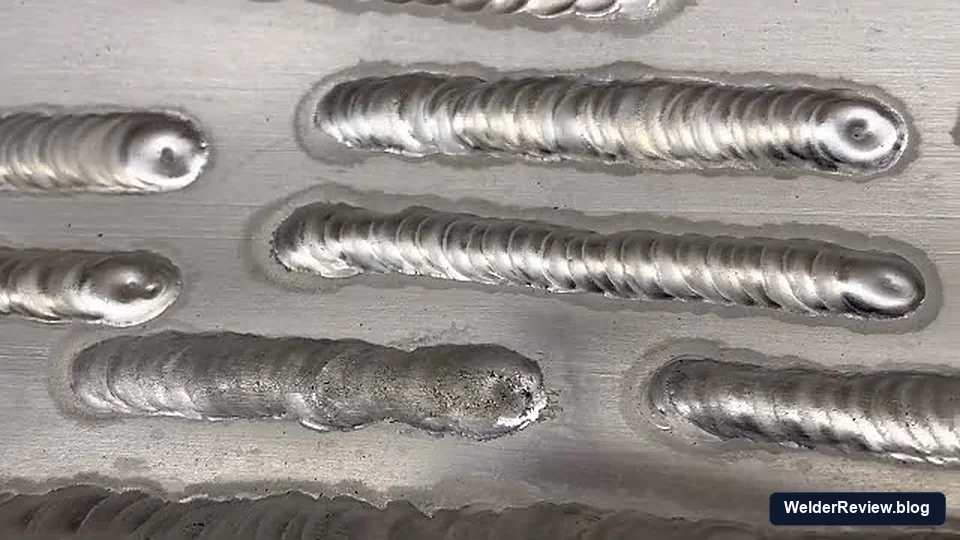
Control interfaces prioritize streamlined adjustments through clear digital readouts and dials. Operators dial in amperage quickly, minimizing guesswork during project transitions and material changes.
The intuitive layout accommodates gloved hands comfortably during active welding sequences. Quick-connect gas fittings accelerate torch setup and teardown procedures at remote job sites.
Portability features like lightweight inverter architecture reduce physical fatigue. Fabricators can move the unit effortlessly around large workpieces without requiring heavy lifting equipment.
The simplified control panel features a single amperage adjustment knob paired with clear indicators. Our Miller Digital Infinity vs Lincoln Viking 3350 guide covers interface preferences in detail.
Multi-voltage plug adapters allow seamless switching between 115-volt and 230-volt input circuits without requiring internal hardwiring modifications. This flexibility accommodates mobile repair trucks and garage setups alike.
The included torch features an ergonomic handle design that reduces wrist strain during prolonged overhead or vertical welding tasks. Cable lengths provide generous reach around standard welding workbenches and positioning fixtures.
- Simplified digital amperage control interface.
- Quick-disconnect shielding gas fittings.
- Lightweight construction reduces transportation fatigue.
- Foot control pedal uses a solid-state design for smooth amperage ramping.
- Gas solenoid valve operates quietly with minimal pre-flow and post-flow lag.
Interface Layout and Parameter Tuning
The front panel groups essential controls logically for fast navigation. Welders configure pre-flow, post-flow, and amperage parameters without navigating complex nested digital menus.
Clear indicator lights confirm active operating modes and safety status instantly. This visual feedback eliminates operational errors during high-pressure fabrication deadlines.
- Logical grouping of gas and arc parameters.
- Bright LED indicators visible under shop lights.
Interface Layout and Operator Comfort
Streamlined dials eliminate complex menus, allowing operators to focus entirely on torch angle and filler rod addition without getting bogged down by excessive digital micro-adjustments or confusing software sub-menus.
- Tactile click feedback assists glove-wearing operators.
- Panel graphics use durable coatings resistant to UV fading.
Routine Maintenance and Long-Term Durability
Maintenance routines remain straightforward due to accessible internal component layouts. Periodic compressed air cleaning removes accumulated dust from heat sinks and circuit boards.
Tungsten electrode preparation directly influences arc stability and weld cleanliness over time. Regular inspection of torch consumables prevents erratic arc behavior and premature wear.
Cabinet seals and durable powder-coat finishes resist corrosion in harsh environments. These protective measures ensure the machine maintains reliability through years of continuous service.
Preventive maintenance requires regular inspection of the power cord and gas fittings for signs of cracking or leakage. Compressed air should be used periodically to clear conductive dust from internal electronic assemblies.
The threaded torch collet body and ceramic cups demand routine cleaning to prevent shielding gas turbulence. Replacing worn tungsten electrodes promptly ensures consistent arc starts and prevents erratic weld puddle behavior.
Storing the machine in a climate-controlled environment prevents internal condensation from corroding delicate printed circuit boards over extended periods of non-use. Cable strain reliefs should be inspected monthly for fraying.
- Accessible internal components simplify routine inspections.
- Durable powder-coat finish resists workshop corrosion.
- Protective cabinet seals limit particulate intrusion.
- Clean torch components using a brass wire brush to avoid contamination.
- Inspect ground clamp connections annually to prevent electrical resistance drops.
Consumable Care and Inspection Protocols
Routine checks of collets, cups, and gas lenses prevent shielding gas turbulence. Replacing worn tungsten electrodes promptly preserves sharp arc geometry and penetration control.
Keeping spare consumables on hand avoids unexpected workflow interruptions during critical deadlines. Proper maintenance habits directly translate to superior weld bead consistency.
- Regular collet and gas lens inspection routines.
- Timely tungsten grinding preserves arc focus.
Component Longevity and Preventative Care
Proactive upkeep of internal filters and cooling fans extends machine lifespan significantly, safeguarding your investment against premature component failure and maintaining peak arc performance over years of demanding shop use.
- Lubricate threaded connections with anti-seize sparingly.
- Check gas hose integrity against ozone degradation.
Comprehensive Verdict and Ideal User Profile
This TIG machine satisfies professional fabricators seeking dependable performance and portability. Its robust build quality and precise arc characteristics justify the investment for serious workshops.
While heavy industrial facilities might require higher continuous duty cycles, mobile contractors benefit immensely from its dual-voltage flexibility and compact footprint during daily field service assignments.
Ultimately, the equipment bridges the gap between shop-level capability and job-site convenience. It remains a top-tier choice for dedicated metal artisans requiring reliable AC/DC TIG functionality.
This welding machine serves mobile fabricators, motorsports enthusiasts, and vocational training facilities needing reliable AC/DC TIG capabilities. The lack of advanced pulse controls limits utility for aerospace manufacturing, but general fabrication thrives.
Simplicity and rugged build quality make it an excellent choice for hobbyists transitioning into professional-grade aluminum fabrication. The dependable arc characteristics reduce learning curves for novice operators mastering high-frequency starts.
Overall engineering priorities emphasize straightforward operation over complex feature bloat, delivering exceptional value for dedicated metalworkers. Investing in this platform guarantees years of reliable service across diverse repair tasks.
- Ideal for mobile fabrication and repair contractors.
- Delivers professional-grade AC/DC TIG performance.
- Balances compact size with rugged structural durability.
- Ideal for thin-gauge aluminum, stainless steel, and mild steel fabrication.
- Not recommended for heavy industrial continuous-duty structural steel erection.
Final Purchasing Recommendation
Assess your typical material thickness and duty cycle requirements before purchasing. Shops focusing on precision aluminum and stainless fabrication will find immense value here.
Avoid this model only if your daily workflow demands continuous multi-shift heavy plate welding. For all other applications, it delivers outstanding reliability and weld quality.
- Verify power supply compatibility before installation.
- Match duty cycle to your average production volume.
Matching the Machine to Your Shop
Evaluating your typical material thickness and production volume ensures this welder aligns perfectly with your workshop goals, providing sufficient power for custom projects without paying for unused industrial automation features.
- Assess available electrical service amperage before purchasing.
- Consider workspace constraints when evaluating cart footprints.
Frequently Asked Questions
What input power requirements does the Miller Diversion 180 need for full output?
It operates on dual-voltage inputs using standard adapters. 230V power is required to achieve maximum rated output amperage safely.
Can this machine weld aluminum effectively right out of the box?
Yes, it provides AC output capabilities specifically designed for aluminum. AC balance control ensures proper oxide cleaning and puddle wetting.
How does the high-frequency arc starter protect tungsten electrodes?
High-frequency initiation establishes the arc without physical contact. This non-contact ignition prevents tungsten contamination and extends electrode lifespan.
Is the duty cycle sufficient for automotive restoration and chassis fabrication?
The duty cycle handles typical brackets, tubing, and sheet metal effortlessly. Thermal overload protection guards internal components during extended projects.
What routine maintenance is required to keep the inverter running smoothly?
Periodically blow out accumulated dust from internal heat sinks using dry compressed air. Inspecting torch consumables regularly ensures consistent shielding gas coverage.