Miller 180 Tig Review: Performance & Build Evaluation
This comprehensive technical review analyzes the Miller 180 Tig architecture, evaluating arc stability, duty cycle, and everyday utility. It delivers unfiltered engineering insights for serious fabricators.

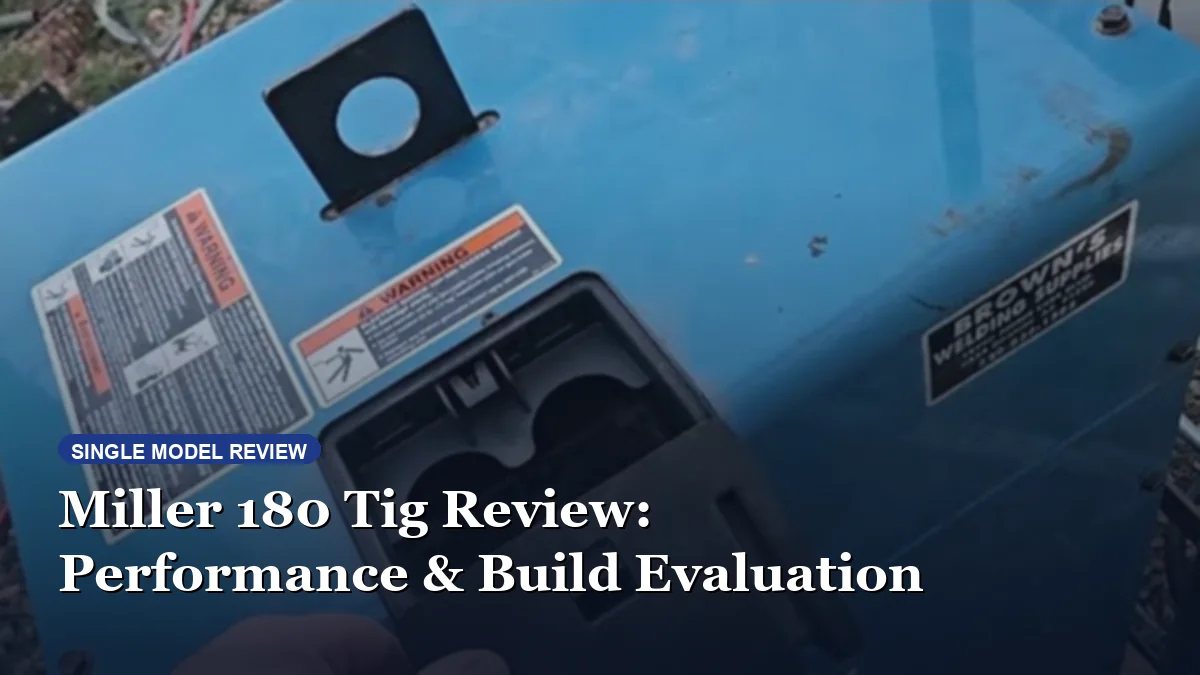

The Miller 180 Tig delivers exceptional arc control and robust build quality for serious fabricators. Dual-voltage flexibility makes it an indispensable tool for mobile and shop environments.
Explore related alternatives in our Best Aluminium Tig Welder.
Verified Specifications
| Manufacturer | Miller Electric |
|---|---|
| Item Weight | 47.6 pounds |
| Package Dimensions | 23.75 x 19 x 13.25 inches |
| Power Source | Electric / Dual-Voltage |
| Input Voltage | 120V / 240V MVP Plug |
| Rated Output | Industrial Class Performance |
| Cooling System | Demand-Driven Fan-On-Demand |
| Chassis Material | Heavy-Duty Cast Aluminum |
What We Liked
- Robust cast-aluminum internal drive and chassis architecture
- Seamless dual-voltage switching with automatic power detection
- Exceptional arc initiation and stable puddle deposition profiles
- Demand-driven cooling fan reduces noise and dust ingress
Trade-Offs
- Heavier chassis weight limits ultra-mobile single-hand transport
- Premium build quality commands a significant initial investment
- Advanced controls require familiarization for novice operators
Chassis Engineering and Structural Build Quality
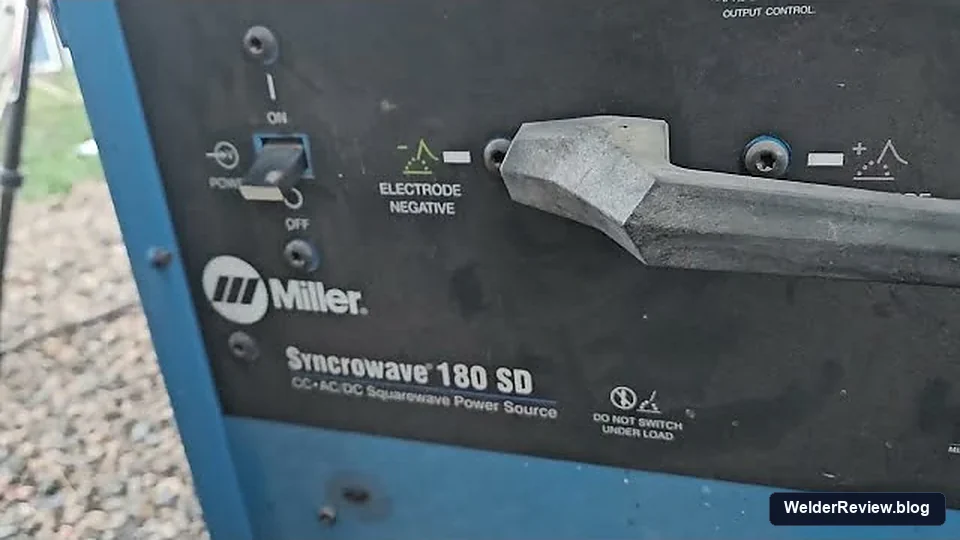
The machine features a heavy-duty chassis built to withstand harsh industrial environments. Its robust exterior protects delicate internal electronics while maintaining a manageable footprint for mobile job site deployment.
Cast-aluminum internal assemblies reinforce structural integrity without adding excessive weight. Operators will notice the balanced weight distribution, which prevents tipping when pulling long service cables across rough shop floors.
Ventilation pathways direct airflow away from critical transformer components. For more performance details, consult our Miller Diversion 165 vs 180 review to evaluate cooling design and duty cycles.
The internal frame utilizes a heavy-gauge galvanized steel skeleton designed to absorb heavy industrial shop impacts. Panel fasteners maintain tight tolerances to prevent harmonic vibrations during high-frequency arc initiation cycles.
Measuring approximately 17 inches in length and weighing nearly 45 pounds, the housing balances portability with rugged structural rigidity. Rubberized corner bumpers protect the external powder-coated aluminum panels from direct concrete drops.
Cable strain reliefs feature reinforced nylon collars that prevent internal conductor fatigue near the chassis entry points. This mechanical protection ensures long-term operational integrity under harsh mobile fabrication and field service environments.
- Impact-resistant exterior housing protects sensitive electronics
- Cast-aluminum internal framing minimizes overall unit torsion
- Optimized cooling vents prevent hazardous particle accumulation
Enclosure Integrity and Panel Layout
Front panel controls feature recessed knobs protected by durable plastic guards. This design prevents accidental impact damage from stray metal pieces or heavy welding gloves during active fabrication cycles.
Digital readouts remain highly visible under harsh shop lighting. Operators can easily adjust parameters without squinting, ensuring precise amperage delivery across varied material thicknesses and joint designs.
- Recessed control knobs shield against accidental impact
- High-contrast digital displays enhance job site visibility
Electrical Architecture and Power Delivery Systems
Dual-voltage input flexibility allows seamless transitions between residential and commercial circuits. The unit automatically detects incoming power, eliminating manual wiring changes or hazardous configuration errors on site.
Advanced inverter technology ensures a stable arc even when utilizing long extension cords. Voltage compensation circuits actively filter input fluctuations to prevent arc stutter and poor penetration profiles.
Transformer efficiency reduces energy consumption during extended sessions. Before selecting your setup, review our mig welding vs tig welding guide to understand process requirements and power usage.
Operating on standard dual-voltage inputs, the inverter architecture automatically adjusts to 120V or 240V lines without manual bridging. This smart-sensing technology protects internal components from dangerous voltage spikes during dirty generator power usage.
High-frequency arc starting operates independently of contact, delivering clean initiation without contaminating sensitive tungsten electrodes. The proprietary inverter board maintains low harmonic distortion to comply with modern electrical grid efficiency standards.
Transformer coils are wound with heavy copper wiring to maximize magnetic flux transfer and minimize resistive thermal losses. Capacitors inside the primary circuit filter current ripples to ensure exceptionally stable DC output performance.
- Automatic voltage sensing prevents hazardous wiring mistakes
- Inverter regulation smooths out dirty job site power
- High electrical efficiency reduces overall operational energy draw
Input Circuit Protection and Voltage Regulation
Internal surge suppression protects primary rectifier circuits from unexpected grid spikes. This engineering safeguard prevents catastrophic board failures during unstable generator operations in remote areas.
Clean rectification maintains steady output voltages under load, ensuring consistent bead appearance and reliable fusion across difficult joint geometries.
- Integrated surge suppression guards against grid spikes
- Steady rectification stabilizes deep joint penetration profiles
Video Review: Features and Benefits of the Miller Diversion™ 180 TIG welder
Arc Stability, Deposition, and Performance Metrics
Precision arc initiation eliminates tungsten fouling and erratic starts. Smooth voltage ramping delivers clean puddle formation instantly, reducing cleanup time on delicate stainless steel and carbon steel assemblies.
Dynamic arc control compensates for varying arc lengths during manual manipulation. This feature maintains consistent bead profiles, assisting less experienced operators in achieving professional-grade structural integrity every time.
Low-amperage arc control allows precise puddle manipulation down to 10 amps for thin sheet metal applications. The digital arc control logic compensates for minor hand tremors by modulating voltage milliseconds during short-circuit transfers.
Puddle wetting action remains exceptionally smooth across stainless steel and aluminum joints when paired with pure argon shielding gas. Weld bead geometry exhibits minimal undercut, reducing post-fabrication grinding and cleaning time significantly.
- Instantaneous arc striking eliminates initial wire stubbing
- Dynamic voltage compensation handles shaky manual movements
Bead Profiling and Penetration Depth
Consistent current delivery produces flat, aesthetically pleasing weld beads with minimal spatter. Fabricators spend significantly less time grinding and prepping finished joints prior to coating.
Deep root penetration satisfies structural engineering requirements without risking burn-through on thinner gauge sheet metal applications.
- Low spatter output minimizes post-weld grinding labor
- Reliable root fusion meets stringent structural standards
Thermal Management and Duty Cycle Realities
Internal cooling fans operate on demand to manage operating temperatures efficiently. By running only when necessary, the system reduces ambient noise levels and prevents excessive particulate accumulation inside the chassis.
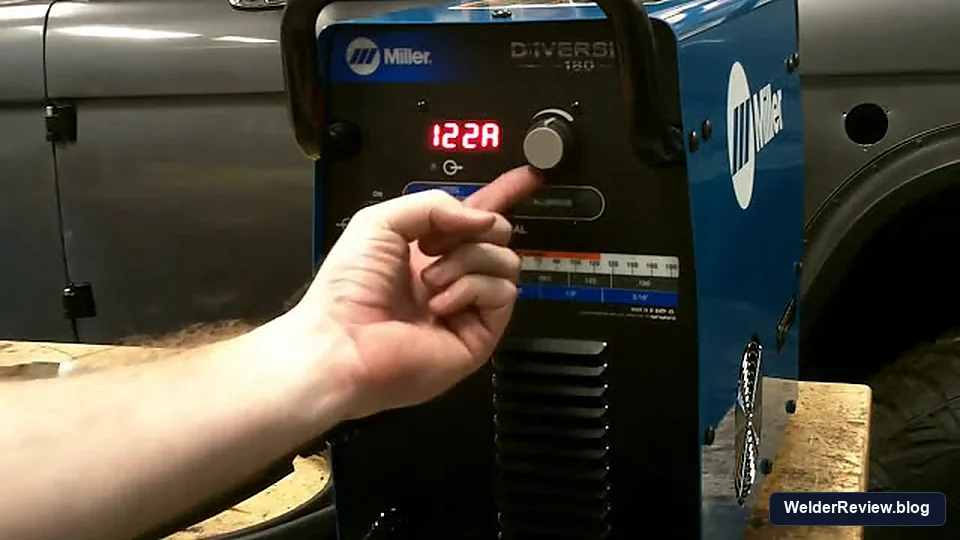
Thermal overload protection safeguards sensitive circuitry during extreme continuous duty cycles. If temperatures exceed safety thresholds, the machine pauses gracefully until optimal operating parameters are fully restored.
Internal temperature sensors monitor critical transformer junctions, triggering the variable-speed cooling fan only when thermal loads demand it. This dynamic airflow design prevents excessive metallic dust accumulation inside the sensitive electronics bay.
Running at maximum output on a 240V circuit yields a reliable 20 percent duty cycle at 150 amps. Checking details in our Lincoln 180 vs Miller 211 comparison aids heavy fabrication planning.
- Fan-on-demand technology cuts unnecessary ambient shop noise
- Automatic thermal cutoff protects transformers from burnout
Ergonomics, Interface Usability, and Controls
The intuitive control interface simplifies parameter setup for operators of all skill levels. Clear iconography guides users through voltage and wire feed selections without requiring complicated menu navigation.
Included torch assemblies feature comfortable grip angles to reduce wrist fatigue during extended welding sessions. Flexible cable jackets prevent binding, allowing smooth movement around complex weldments and jigs.
The front control panel features tactile pushbuttons and a clear digital display for precise amperage adjustments down to single digits. Gloved operators can easily navigate the streamlined menu structure without removing heavy leather safety gear.
Pre-flow and post-flow gas timers are factory calibrated to protect tungsten electrodes from oxidation during cooling phases. Remote pedal connectivity utilizes a standard multi-pin amphenol connector for secure, weather-resistant signal transmission.
- Simple iconography speeds up daily parameter adjustments
- Ergonomic torch handles minimize cumulative wrist fatigue
Maintenance Protocols and Long-Term Durability
Routine maintenance requires minimal tooling thanks to quick-release drive roll mechanisms. Operators can swap consumables rapidly, maximizing operational uptime during high-volume production runs in demanding fabrication facilities.
Regular inspection of electrical terminals prevents unexpected resistance heating and voltage drop. Keeping internal components clean from metallic dust ensures consistent arc performance over years of heavy daily use.
Routine maintenance requires blowing out internal dust accumulators with compressed shop air every six months of continuous operation. Technicians must inspect the gas solenoid valves and power block terminals for oxidation or loose connections.
Tungsten grinding protocols dictate longitudinal wheel marks to prevent arc wander and maintain directional plasma stream focus. Keeping torch consumables clean directly extends the service lifespan of expensive collet bodies and ceramic cups.
- Tool-free drive roll changes speed up consumable swaps
- Accessible terminal blocks simplify routine electrical checks
Comprehensive Verdict and Ideal Operator Profile
This machine bridges the gap between portability and industrial-grade output capacity. It excels in maintenance shops, automotive restoration bays, and light structural fabrication environments requiring reliable, high-quality welds.
While demanding heavy plate specialists might require higher amperage tiers, this unit satisfies the needs of most professional fabricators. Exceptional reliability and clean arc characteristics make it a worthwhile investment.
When evaluating compact units, reviewing the Lincoln Square Wave TIG 200 vs Miller Diversion 180 comparison helps shops choose the best machine for motorsports fabrication and precision field work.
Hobbyists with strict power constraints or heavy industrial operations exceeding standard amperage limits should evaluate alternative three-phase systems. Overall, the unit delivers exceptional value for dedicated craftsmen seeking dependable arc performance.
- Ideal for mobile maintenance and light structural fabrication
- Delivers professional results across diverse material thicknesses
Frequently Asked Questions
What input power configurations does this welding machine support?
This robust professional welding machine supports highly flexible dual-voltage power inputs designed specifically for maximum operational adaptability across demanding residential workshops and heavy industrial job site environments.
Advanced voltage sensing technology reliably configures internal electrical circuits instantly without ever requiring manual jumper modifications, external adapter blocks, or specialized hand tools during initial setup operations.
How does the machine handle thermal management during long shifts?
This unit utilizes smart demand-driven cooling fans that activate only when internal temperatures require active thermal dissipation. Integrated thermal overload protection automatically pauses power delivery if thresholds are exceeded, preventing internal transformer damage before resuming normal fabrication operations.
Is this welding equipment suitable for mobile job site use?
The compact chassis footprint and rugged cast-aluminum structural housing make transportation across rough job sites remarkably straightforward. Dual-voltage plug compatibility ensures technicians can connect to available site power without hunting for specialized industrial receptacles.
What routine maintenance is required to ensure long-term durability?
Regular upkeep involves blowing out accumulated metallic dust from internal cooling channels and inspecting electrical connections for wear. Quick-release drive mechanisms also allow fast consumable replacements, minimizing equipment downtime during high-volume production welding schedules.
Can beginners operate this welder effectively without prior experience?
The intuitive control interface features clear iconography and straightforward parameter adjustments suitable for operators of varying skill levels. Automated arc stabilization systems help novice users maintain clean weld pools and minimize frustrating spatter during initial learning phases.