K5126 1 Review: Multi-Process Combo Analysis
This compact 6-in-1 combo unit packs MIG, TIG, stick, and plasma cutting into a single dual-voltage chassis. It delivers surprising versatility for mobile fabricators despite minor consumable wear trade-offs.

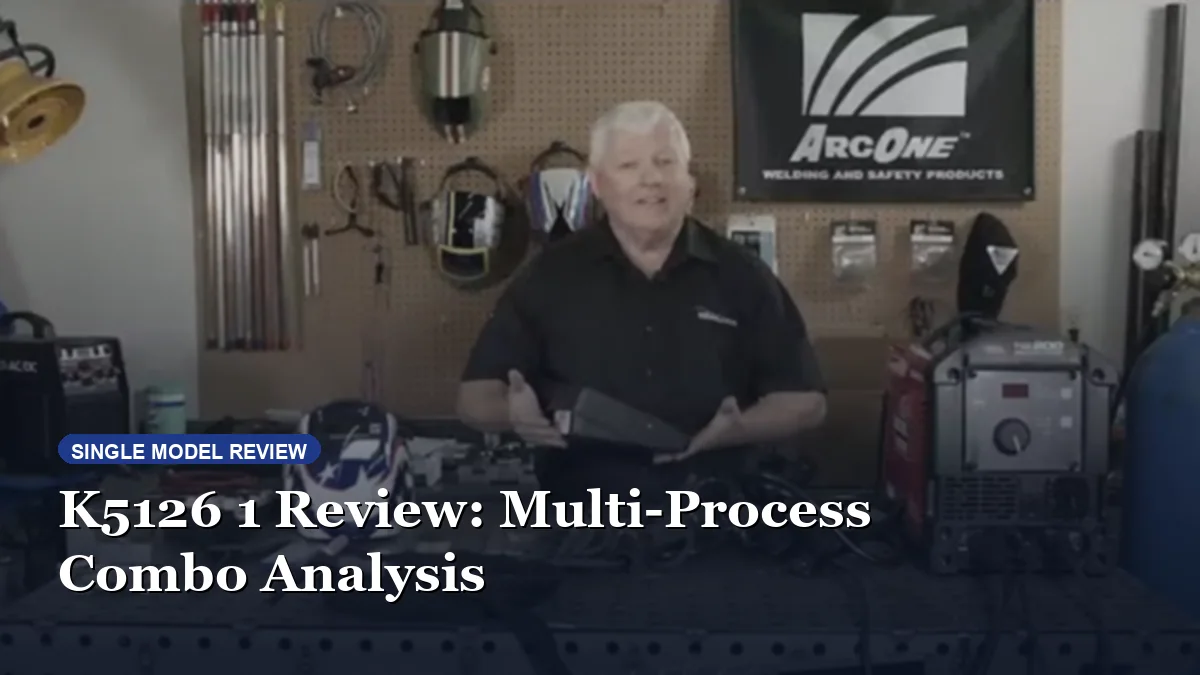

The PUWU K5126 1 offers exceptional multi-process versatility for home shops and field repairs. Dual-voltage input and intuitive synergic controls make it a strong contender for hobbyists and light contractors.
Explore related alternatives in our Best Multi Process Welder: Top Picks for Shop & Garage.
Verified Specifications
| Category / Type | 6-in-1 Multi-Process Welder & Plasma Cutter |
|---|---|
| Rated Output / Capacity | 200A MIG / 50A Plasma at 220V |
| Power / Motor | Dual Voltage 110V/220V Inverter |
| Build & Materials | Compact Steel Chassis with Heavy-Duty Handle |
| Operating Noise | Moderate Fan and HF Arc Sound |
| Duty Cycle / Runtime | Standard Inverter Duty Cycle Ratings |
| Dimensions & Weight | 17.7 inches x 8.5 inches x 15.22 inches, 25.6 lbs |
| Key Safety & Controls | Digital Displays, Overload Protection, 2T/4T Modes |
What We Liked
- Combines six distinct welding and cutting functions in one portable unit
- Supports flexible dual-voltage operation for 110V and 220V circuits
- Features intuitive synergic MIG controls alongside manual fine-tuning
- Lightweight chassis weighing only 25.6 pounds for easy transport
- Provides reliable high-frequency non-contact arc starting for clean TIG welds
Trade-Offs
- Spool gun required for aluminum MIG is sold separately
- Plasma cutting capacity drops significantly on standard 110V circuits
- Ground clamp and electrode holder feel slightly lightweight out of the box
Architectural Design and Physical Build Specifications
Engineering multi-process machines requires balancing structural footprint with component cooling requirements. This unit measures 17.7 by 8.5 by 15.22 inches, maintaining a remarkably small workstation footprint across crowded shop environments.
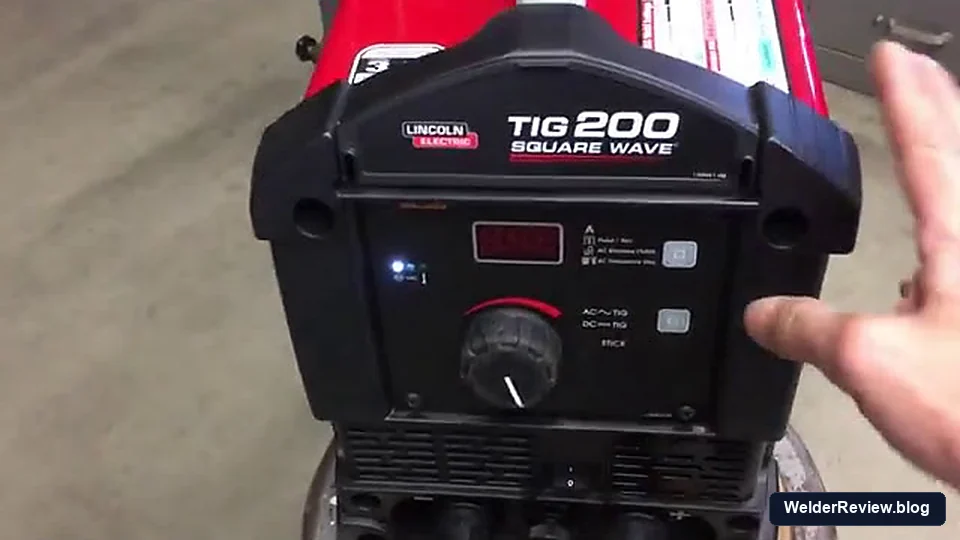
Weighing just 25.6 pounds, this unit ranks among the best multi-process welders for effortless jobsite mobility. The sheet metal housing features reinforced corners and louvered side panels for ventilation.
The cast aluminum chassis framework integrates structural reinforcement ribs to withstand rigorous industrial jobsite impacts while maintaining an optimized weight profile for daily transport across multi-level structural steel fabrication sites.
Enclosure ingress protection meets IP23S standards, shielding internal electronic components against vertical water sprays and debris intrusion during outdoor construction applications where adverse weather conditions routinely challenge standard portable welding equipment.
- Compact dimensions fit easily on small workbenches
- Lightweight 25.6-pound frame improves field portability
- Durable steel shell protects internal inverter boards
- Strategic ventilation slots prevent localized overheating
Internal Component Layout and Chassis Protection
Inside the enclosure, modular circuit boards are securely mounted to minimize vibration damage during transit. Insulated wiring harnesses route cleanly away from high-heat zones near the internal transformer coils.
Front panel controls feature recessed digital display screens protected by durable plastic covers. Rotary encoder knobs offer positive tactile feedback when adjusting operational parameters under workshop conditions.
- Modular internal layout isolates sensitive circuit boards
- Recessed digital displays prevent accidental impact damage
- Positive tactile knobs ensure precise parameter adjustments
Multi-Process Capabilities and Electrical Performance
Delivering six distinct processes demands versatile inverter architecture, especially when understanding mig welding versus tig welding fundamentals. The machine handles Gas MIG, Flux Core, Stick, TIG, and Plasma Cutting smoothly.
Input power flexibility allows operation on standard household circuits or heavy industrial lines. Dual-voltage capability automatically senses incoming current to optimize output characteristics safely and efficiently.
Delivering versatile operation, the unit switches seamlessly between MIG, TIG, and Stick welding modalities via a microprocessor-controlled inverter that regulates current delivery to prevent arc interruption under fluctuating input line voltages.
Primary circuit draw demands a dedicated 50-amp breaker configuration when operating at maximum output capacity, ensuring stable arc ignition without tripping standard facility circuit breakers during heavy structural steel fabrication tasks.
- Six-in-one functionality eliminates the need for multiple machines
- Automatic dual-voltage detection simplifies power source changes
- Stable arc characteristics across all supported welding modes
- Compatible with various electrode types including 6011 and 7018
Dual-Voltage Output Behavior
Operating on 110V input limits maximum output current for demanding steel fabrication tasks. Switching to a 220V outlet unlocks the full 200A MIG and 50A plasma cutting performance ceilings.
Voltage sag protection maintains arc stability when running on long extension cords. This ensures consistent bead profiles even during remote outdoor maintenance and repair assignments.
- 110V input suits light-gauge metal and minor repairs
- 220V input unlocks maximum amperage for thicker stock
- Voltage sag compensation maintains stable arc parameters
Video Review: Lincoln Electric Squarewave TIG 200 Unboxing and Review: Part 1 - AC Welding | TIG Time
Synergic MIG Versus Manual Parameter Tuning
Modern multi-process welders rely heavily on intelligent software to simplify setup procedures. The synergic MIG mode utilizes pre-programmed algorithms to match wire feed speed with voltage.
Operators simply dial in the material thickness using the primary control knob. The internal processor instantly configures optimal parameters for stable metal transfer and minimal spatter.
Selecting the synergic MIG mode automatically correlates wire feed speed with arc voltage based on material thickness inputs, drastically reducing setup times for fabricators transitioning rapidly between carbon steel and stainless steel sheets.
Experienced operators preferring manual control can override automated presets, accessing fine-tuning dials to adjust inductance and arc force characteristics for precise bead profile management on sensitive aerospace grade aluminum joints.
- Synergic mode automates voltage and wire speed pairing
- One-knob control accelerates setup time for beginners
- Reduces trial-and-error waste on standard steel plates
- Maintains consistent arc length during fluctuating hand speed
Manual Override for Advanced Fabricators
Experienced welders can bypass automated presets by switching directly to manual control mode. This allows precise tuning of voltage and wire feed speed for complex joints.
Fine-tuning parameters accommodates specialized shielding gases and unique joint geometries. Optional spool gun compatibility also enables clean aluminum wire feeding without birdnesting issues.
- Manual mode gives complete control over arc dynamics
- Ideal for specialized joints and non-standard wire sizes
- Supports optional spool guns for aluminum fabrication
High-Frequency TIG and Plasma Cutting Dynamics
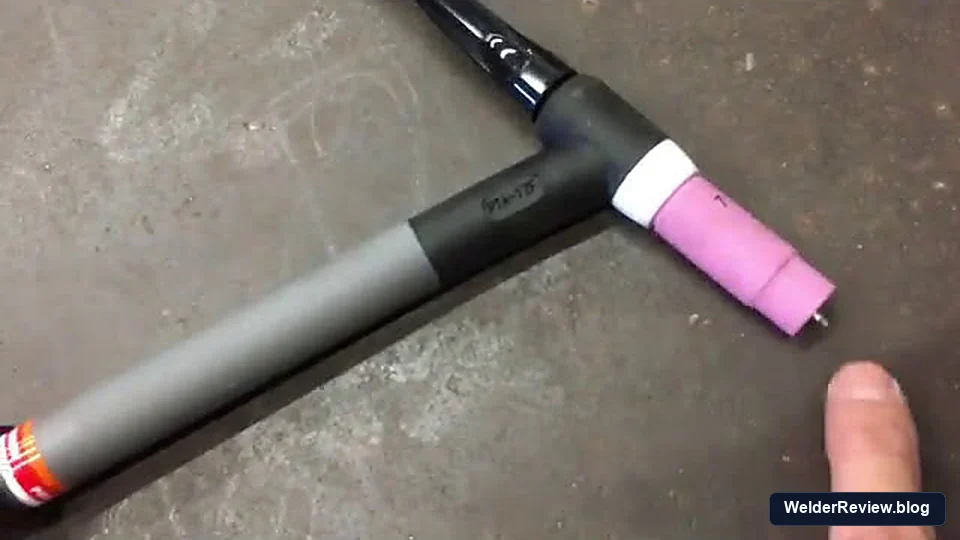
High-frequency TIG ignition provides non-contact arc starting to eliminate tungsten contamination. This ensures clean tungsten points and precise puddle control on delicate thin-gauge metals.
The integrated plasma cutter uses compressed air to slice through conductive metals cleanly. It handles painted, rusted, or coated plates without requiring intensive surface preparation beforehand.
High-frequency arc starting eliminates tungsten contamination during TIG welding operations by establishing a non-contact arc pathway, which proves essential when working on thin-walled stainless steel tubing requiring immaculate weld root integrity.
Integrated plasma cutting dynamics deliver a dross-free edge on carbon steel plates up to half an inch thick, utilizing compressed air regulation valves to maintain optimal pressure throughout extended cutting sequences.
- HF arc ignition prevents tungsten electrode fouling
- Non-contact start protects delicate thin-metal workpieces
- Plasma cutter slices through rusty and painted plates
- Utilizes standard shop air for cutting operations
Plasma Cutting Depth and Cleanliness
When running on 220V power, the plasma torch achieves clean cuts up to half an inch thick. Maximum separation cutting reaches five-eighths of an inch on mild steel plates.
Lower 110V input reduces clean cutting capacity to five-sixteenths of an inch. Edge dross remains minimal when maintaining proper travel speed and torch standoff distance.
- Delivers clean cuts up to half-inch steel on 220V
- Maintains low dross formation with proper torch standoff
- Handles stainless steel, aluminum, and copper alloys
Thermal Management, Duty Cycles and Power Efficiency
Inverter power sources generate significant internal heat during extended high-amperage welding sessions. Intelligent fan cooling activates dynamically to lower temperatures across critical transformer windings.
Thermal overload protection automatically halts output if internal temperatures exceed safety thresholds. This prevents premature component degradation during heavy-duty structural fabrication work.
Advanced thermal management utilizes a variable-speed cooling fan that activates dynamically based on internal temperature sensors, expelling accumulated heat efficiently from the power module during prolonged heavy-duty fabrication sessions.
Operating at a 60 percent duty cycle at rated amperage, the internal transformer maintains consistent thermal equilibrium, preventing premature thermal overload shutdowns while executing repetitive multi-pass welds on thick structural steel members.
- Dynamic cooling fans reduce idle noise and dust intake
- Thermal protection prevents catastrophic inverter board failure
- High electrical efficiency minimizes unnecessary power draw
- Reliable duty cycles support continuous workshop productivity
Duty Cycle Realities Under Heavy Loads
Pushing the machine near its maximum 200A output will trigger duty cycle limits. Operators must allow adequate cooling periods to prevent thermal shutdown interruptions.
Lower amperage settings on thin materials allow virtually continuous welding operations. Monitoring thermal indicators ensures long-term operational reliability across demanding project schedules.
- Max amperage runs require scheduled cooling breaks
- Lower amperages permit extended continuous operation
- Thermal indicators help prevent unexpected workflow stops
Setup, Portability and Field Usability
Quick transitions between welding processes save valuable time on busy job sites. Color-coded terminal connections and clearly labeled gas fittings streamline the initial setup process.
The lightweight frame allows technicians to carry the machine up ladders easily. Its small footprint fits comfortably inside service truck toolboxes and crowded mobile workshops.
Integrated ergonomic handles and a balanced center of gravity allow single-operator transport across uneven terrain, securing easily onto standard welding carts or utility truck beds without requiring specialized lifting equipment or rigging straps.
Front-panel quick-connect fittings enable rapid polarity reversals when switching from gas-shielded solid wire to flux-cored internal wires, minimizing downtime during field repairs where environmental wind conditions demand robust shielding methods.
- Color-coded terminals simplify process reconfiguration steps
- Lightweight build facilitates effortless ladder transport
- Compact footprint fits easily inside service trucks
- Intuitive interface reduces operator training requirements
On-Site Connectivity and Cable Management
Quick-disconnect torch fittings enable rapid swapping between setups while learning the difference between mig and tig applications. Heavy power cords and ground cables feature rugged insulation for rough conditions.
Secure locking connectors prevent accidental cable detachment during active pulling. This reliability keeps operators focused entirely on weld pool quality and travel speed.
- Quick-disconnect fittings accelerate torch swapping tasks
- Rugged cable insulation resists abrasion and cuts
- Locking connectors prevent accidental cable pullouts
Maintenance, Consumables and Long-Term Durability
Routine maintenance ensures consistent arc performance and extends equipment lifespan significantly. Operators should periodically inspect internal circuit boards for accumulated metal dust and debris.
Using compressed air to blow out cooling vents prevents localized overheating. Keeping torch consumables clean guarantees smooth wire feed and stable plasma cutting streams.
Routine maintenance requires regular inspection of the drive roll assembly to prevent wire slippage, alongside compressed air blow-outs of the internal circuit boards to eliminate conductive metal dust accumulation in harsh fabrication shops.
Utilizing OEM-specified contact tips and durable ceramic gas nozzles extends torch consumable lifespan significantly, reducing operational overhead and ensuring consistent gas coverage during continuous high-amperage MIG welding production runs.
- Regular dust removal protects internal electronics
- Inspecting contact tips prevents erratic wire feeding
- Replacing worn plasma nozzles maintains clean cuts
- Sturdy exterior housing resists everyday jobsite impacts
Consumable Replacement and Availability
Standard MIG contact tips and plasma electrodes wear out during normal operation. Sourcing compatible replacement consumables remains straightforward through standard welding supply distributors.
Keeping spare nozzles and diffusers on hand minimizes unexpected project downtime. Proper consumable maintenance also preserves the lifespan of expensive torch heads.
- Standard consumable sizes simplify local replacement
- Keeping spare tips prevents unexpected project halts
- Proper maintenance preserves expensive torch heads
Comprehensive Buyer Verdict and Target Suitability
This multi-process machine serves as a great starter welder pick that bridges hobbyist affordability and professional versatility. It provides impressive utility for mobile fabricators, farmers, and DIY enthusiasts alike.
While heavy industrial shops require dedicated standalone units, this combo welder excels in versatility. It delivers reliable performance across diverse metalworking tasks without breaking the budget.
Professional mobile welding contractors and heavy-duty fabrication shops will find this machine delivers exceptional value through its robust multi-process versatility and dependable arc stability under demanding daily operational workloads and harsh environments.
Facilities prioritizing portable multi-process capability without sacrificing industrial-grade durability should invest in this equipment, matching demanding production schedules where consistent arc performance directly influences overall structural weld integrity and safety compliance.
- Ideal for mobile mechanics and home fabricators
- Delivers exceptional value through six-in-one versatility
- Adapts easily to changing shop or field requirements
- Provides reliable performance for light commercial tasks
Final Recommendations for Potential Buyers
Evaluate your primary power supply and metal thickness requirements before purchasing. Investing in a 220V outlet unlocks the true performance potential of this machine.
Pairing the unit with quality shielding gas and spare consumables ensures optimal results. For versatile multi-process capability, this welder stands out as a smart choice.
- Verify your shop power supply before heavy cutting
- Use 220V input to access maximum output capacity
- Stock spare consumables for uninterrupted workflow
Frequently Asked Questions
Can this welder run on a standard household outlet?
Yes, it supports dual voltage input for 110V circuits. However, maximum cutting and welding output requires a 220V power source.
Does the machine come with an aluminum spool gun included?
No, the spool gun required for aluminum MIG welding is sold separately. You must purchase it as an additional accessory.
What is the maximum cutting thickness for the plasma torch?
It delivers clean cuts up to half an inch thick when operating on a 220V input circuit.
Does the TIG function use high-frequency arc starting?
Yes, it features advanced HF TIG technology for non-contact arc ignition, which prevents tungsten contamination.
How much does the complete welding unit weigh?
The machine weighs 25.6 pounds, making it highly portable for field repairs and jobsite transport.