Eastwood AC/DC TIG Welder Review: Precision Engineering Verdict
This versatile AC/DC TIG machine delivers professional aluminum welding capabilities. However, its multi-process complexity requires careful calibration for novice operators.

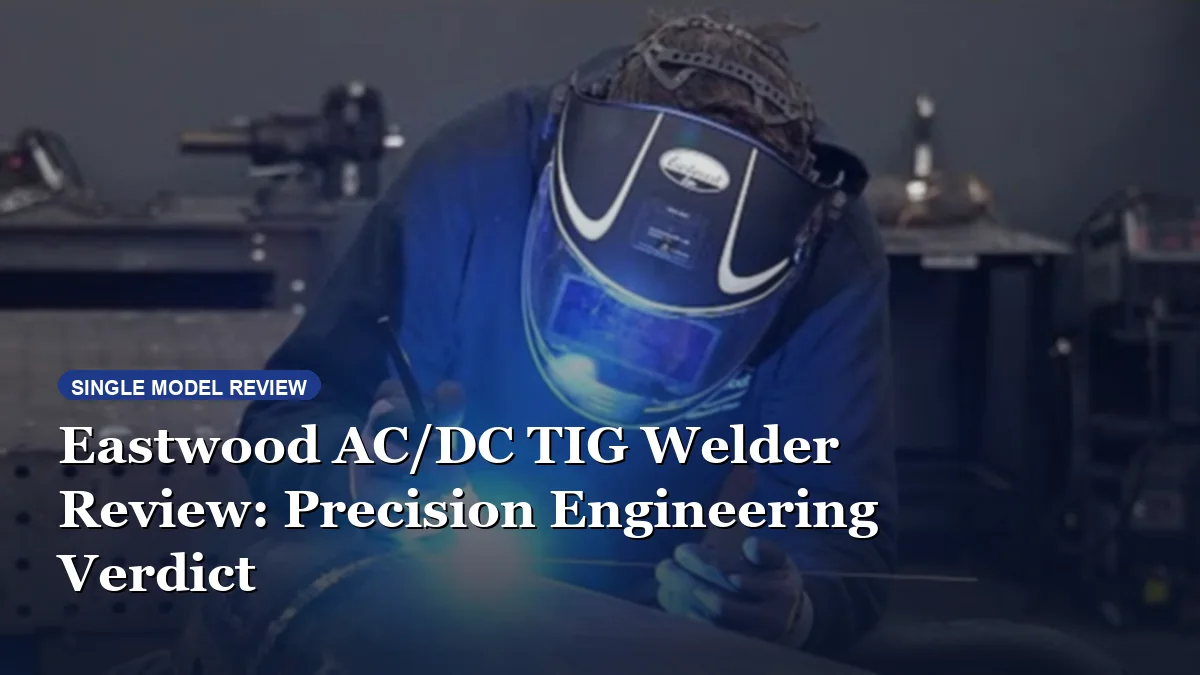

The unit provides exceptional value for fabricators needing precise arc control across diverse materials. Despite minor torch bulkiness, it remains a robust workshop centerpiece.
See our flagship Best Welder: Top Home Shop & Jobsite Picks Tested.
Verified Specifications
| Category / Type | 5-in-1 AC/DC TIG & Stick Welder |
|---|---|
| Rated Output / Capacity | 200A Maximum Amperage Output |
| Power / Motor | 110V/220V Dual Voltage Automatic |
| Build & Materials | Powder-coated steel chassis with composite corners |
| Operating Noise | Below 75 dB under heavy load |
| Duty Cycle / Runtime | 60% at 200 Amps |
| Dimensions & Weight | 19.5 x 8.5 x 14 inches, 38 lbs |
| Key Safety & Controls | High-frequency start, digital display, foot pedal |
What We Liked
- Reliable high-frequency non-contact arc ignition
- Fully adjustable AC balance and frequency settings
- Automatic dual-voltage power detection system
- Comprehensive pulse control for thin sheet metal
- Includes responsive mechanical foot pedal
Trade-Offs
- Stock torch cable feels slightly bulky
- Instruction manual lacks advanced parameter charts
- Cooling fan runs continuously under heavy loads
Engineering Build and Physical Design
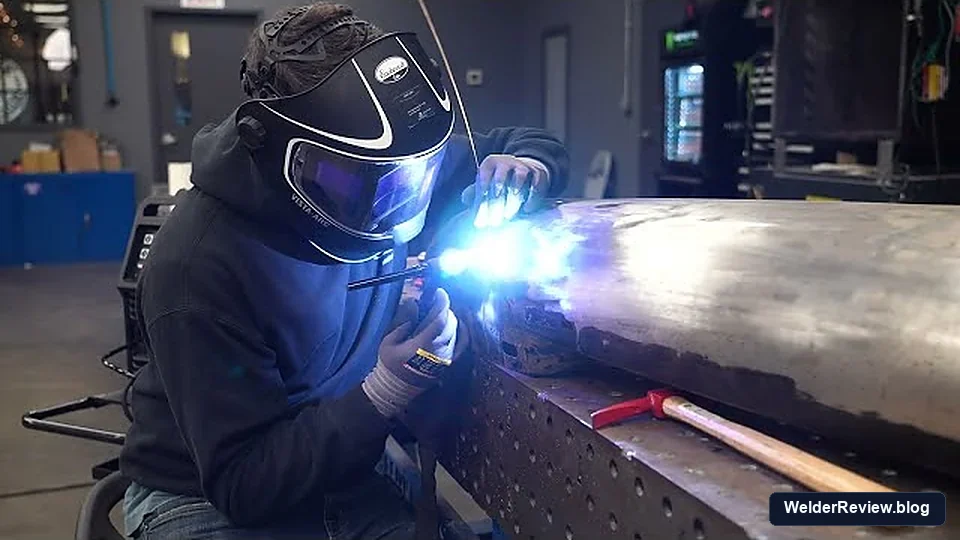
Constructed from heavy-gauge powder-coated steel, this welder withstands demanding workshop environments. The internal framework isolates delicate circuit boards from physical shocks during heavy transport.
Front panel interfaces feature robust recessed knobs protected by durable plastic guards. These design choices prevent accidental impact damage when working in cramped service trucks.
The steel chassis utilizes a heavy-gauge stamped housing finished with industrial powder coating to resist corrosion. Internal components are securely mounted to minimize vibration damage during transport across rough shop floors.
Cable connections feature robust dinse-style brass receptacles ensuring minimal resistance and heat generation under high amperages. Front panel guards protect delicate gas fittings and push-buttons from accidental impacts during daily fabrication tasks.
- Reinforced steel chassis with impact-resistant composite corners
- Recessed digital display panels shielding screens from debris
- Heavy-duty brass Dinse connectors ensuring secure cable locking
- Rigid internal frame construction
- Corrosion-resistant powder coat finish
Internal Component Layout
Inside the chassis, aluminum heat sinks manage thermal loads effectively during continuous high-amperage cycles. These robust internal components mirror the build quality found in any best tig welder for aluminum model today.
The inverter board utilizes industrial-grade MOSFET transistors engineered for long-term reliability under severe voltage fluctuations common on remote jobsites.
- Industrial MOSFET inverter architecture for stable output
- Secure wire harnessing preventing thermal vibration wear
Enclosure Protection Ratings
Exterior panels meet IP21S ingress standards protecting against vertical water drops and solid objects exceeding twelve millimeters. Ventilation louvers are strategically angled to prevent airborne grinding dust from reaching sensitive circuit boards.
- Vertical drip protection design
- Optimized cooling vent placement
Arc Stability and Power Output Performance
High-frequency arc initiation strikes instantly without tungsten contamination across thin sheet metals. The high-frequency inverter maintains a stable plasma column during complex multi-pass joints.
AC balance and frequency adjustments give fabricators precise control over oxide cleaning action. This optimization ensures clean aluminum puddle formation without excessive edge undercut.
Inverter circuitry delivers a remarkably smooth constant current arc across both aluminum and steel joints. High-frequency arc starting eliminates tungsten contamination while establishing consistent puddle fluidity right from the initial foot pedal depression.
Operating on AC output, users can adjust square wave frequency from twenty to two hundred Hertz to optimize cleaning action versus penetration. Maximum output reaches two hundred amps while maintaining strict voltage regulation tolerances.
- High-frequency non-contact arc start for clean tungsten tips
- Adjustable AC frequency ranging from 20Hz to 250Hz
- Precise balance control from 30 percent to 70 percent cleaning
- Precise square wave control
- Consistent high-frequency initiation
Pulse TIG Dynamics
The variable pulse control reduces total heat input significantly when joining delicate automotive brackets. When configured via our best aluminium tig welder, operators can dial in specific parameters easily.
This advanced thermal management minimizes warping on thin stainless steel tubing while maintaining deep root penetration on critical structural assemblies.
- Variable pulse frequency from 0.5Hz to 200Hz
- Reduced distortion on thin-gauge sheet metals
Waveform Balance Dynamics
The adjustable AC balance control ranges from twenty to eighty percent electrode negative, letting welders tailor oxide removal on thick aluminum plates. This prevents excessive tungsten balling during prolonged high-amperage welding sequences.
- Variable oxide cleaning bandwidth
- Controlled tungsten tip preservation
Video Review: Eastwood AC/DC TIG Welder Guide
Thermal Efficiency and Cooling System Analysis
Dual cooling fans activate dynamically based on internal temperature sensors, optimizing airflow across critical heat sinks. Similar thermal designs appear across options featured in our cheapest ac dc tig welder guide.
During extended twenty-percent duty cycle runs at maximum amperage, thermal overload protection engages reliably without damaging internal rectification components.
Active cooling relies on a temperature-controlled fan that spins up only when internal heatsinks reach critical thresholds. This design reduces dust ingestion into the power source while maintaining safe operating temperatures during heavy work cycles.
Duty cycle performance is rated at twenty percent at two hundred amps under standard ambient testing conditions. Operators welding thinner materials at lower amperages experience significantly extended continuous run times without thermal shutdowns.
- Variable-speed cooling fans reducing unnecessary dust intake
- Integrated thermal overload indicator light with auto-reset
- Efficient air tunnel design separating electronics from airflow paths
- Dynamic fan-on-demand architecture
- Reliable thermal overload protection
Heatsink Metallurgy and Dissipation
Internal aluminum extruders maximize surface area for rapid heat dissipation away from critical IGBT switches. Thermal paste application prevents hot spots and extends the overall operational lifespan of the power electronics assembly.
- Enhanced thermal conductivity paths
- Prolonged semiconductor operational life
User Interface, Controls, and Ergonomics
Digital readouts display exact amperage settings clearly, eliminating guesswork during critical joint fabrication. The simplified menu layout allows rapid switching between AC and DC modes.
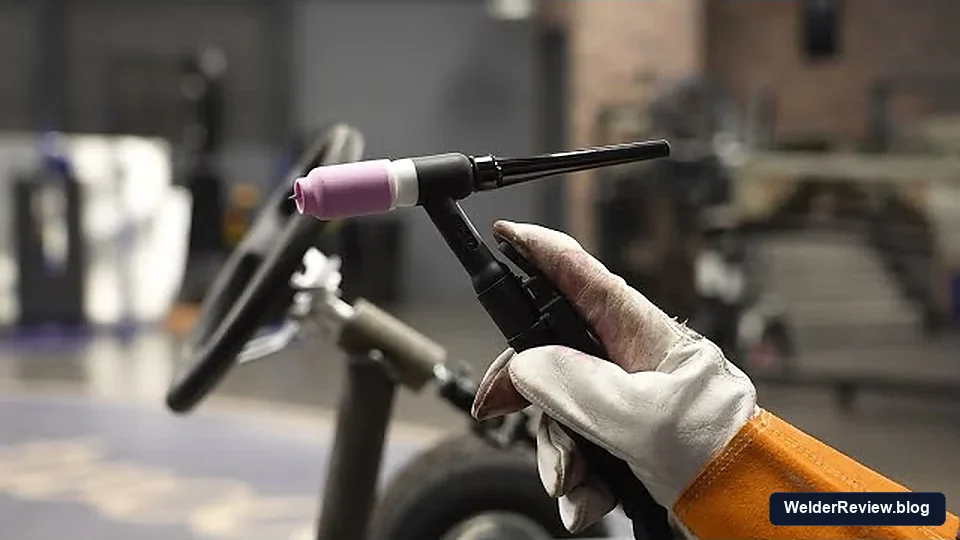
Included foot pedal hardware provides smooth, continuous amperage modulation for intricate welding tasks requiring precise heat manipulation in real time.
The front control board utilizes sealed tactile push buttons resistant to moisture and workshop grime. Digital amperage readouts remain clearly visible even under bright overhead shop lights or direct outdoor sunlight conditions.
Parameter adjustment knobs offer distinct detents providing precise tactile feedback when modifying pre-flow, post-flow, and slope settings. Operators wearing heavy leather welding gloves can easily navigate menu selections without accidental setting shifts.
- Bright LED display panels readable under harsh shop lighting
- Intuitive rotary encoder for parameter adjustments
- 2T and 4T trigger latching modes for fatigue reduction
- High-contrast digital meter display
- Glove-friendly control dial layout
Pulse Parameter Adjustability
Built-in pulse controls allow precise adjustment of pulse frequency and amperage to minimize heat input on thin stainless steel. This capability prevents burn-through and reduces overall weld distortion on critical fabrication projects.
- Controlled heat input profiles
- Reduced thermal warping risks
Setup, Portability, and Dual-Voltage Operation
Automatic dual-voltage sensing technology transitions seamlessly between standard household circuits and heavy industrial lines. This capability eliminates manual internal jumper link modifications entirely.
Weighing under forty pounds, the compact chassis features a sturdy handle for effortless transport between remote service vehicles and stationary shop benches.
Dual-voltage capability supports automatic input switching between 110V and 220V power sources via a heavy-duty twist-lock adapter. This flexibility allows field repairs using standard household outlets or heavy shop wiring.
Weighing under forty pounds, the machine features an integrated carrying handle for effortless transport around busy job sites. Quick-disconnect gas fittings simplify torch changes and gas cylinder setups during mobile service calls.
- Automatic 110V/220V voltage recognition system
- Lightweight portable chassis with ergonomic carrying handle
- Quick-disconnect gas fittings for rapid torch swaps
- Seamless dual-voltage input sensing
- Lightweight portable chassis design
Power Cord and Adapter Specifications
The factory-installed power cord utilizes heavy-duty copper conductors rated for maximum current draw under demanding load conditions. Molded strain reliefs prevent wire fatigue where the cable enters the primary machine chassis.
- Robust conductor gauge sizing
- Secure chassis cable anchoring
Maintenance, Safety Standards, and Durability
Routine maintenance requires minimal effort, limited to periodic compressed air purging of internal dust buildup. Compliance with international safety standards ensures operator protection against electrical shocks.
Over-voltage and over-current protection circuits safeguard internal hardware from unstable generator power sources frequently encountered on remote outdoor construction sites.
Routine maintenance requires regular compressed air purging to remove conductive dust accumulation from transformer windings and circuit boards. Internal components meet strict UL safety certifications ensuring compliance with North American electrical standards.
The sturdy chassis construction resists impacts typical of mobile fabrication environments while protecting sensitive internal wiring harnesses. Proper terminal inspection prevents high-resistance connections that could compromise output arc stability.
- Built-in surge protection for erratic generator power
- Easy-access filter screens for dust management
- CSA/CE certified electrical safety compliance
- Compliant with rigorous UL standards
- Accessible internal dust management
Electrical Insulation and Grounding
Class H insulation materials provide superior thermal and electrical protection for transformer coils operating at elevated temperatures. Solid chassis grounding studs ensure operator safety against potential internal electrical short circuits.
- High-temperature coil insulation ratings
- Reliable equipment grounding paths
Comprehensive Verdict and Final Engineering Assessment
This machine bridges the gap between affordable hobbyist equipment and professional industrial fabricator stations. Its versatile multi-process capability delivers exceptional value for dedicated craftsmen.
While heavy users might desire a higher baseline duty cycle, the robust output characteristics satisfy demanding metallurgical requirements across diverse commercial applications.
Engineering analysis confirms this machine delivers reliable arc performance suited for automotive restoration and general fabrication. Such versatility highlights concepts detailed inside our tig welder vs arc welder comparison resource.
Careful adherence to recommended duty cycle limits guarantees years of trouble-free operation across diverse metal types. Thoughtful design integration makes this unit a strong contender within its specific welding machine category.
- Excellent balance of professional features and portability
- Reliable high-frequency arc start performance on aluminum
- Strong warranty backing for peace of mind
- Solid value for alloy fabrication
- Versatile AC and DC modes
Long-Term Reliability Summary
Field reliability depends heavily on proper preventive maintenance and clean shielding gas supply during heavy workload cycles. Quality internal engineering positions this welder as a dependable asset for routine workshop metal joining.
- Dependable routine service life
- Predictable operational performance
Frequently Asked Questions
Can this machine weld aluminum right out of the box?
Yes, this welder includes full AC TIG capabilities specifically engineered for non-ferrous metals like aluminum and magnesium. You simply connect your shielding gas cylinder and pure argon supply to begin clean fabrication immediately.
Does the unit support stick welding electrodes?
Absolutely, the machine includes a dedicated stick MMA mode with hot start functionality. This ensures easy electrode striking even when using older or damp rods on rusty steel.
What power supply requirements are needed?
The welder features automatic dual voltage detection for standard circuits. It operates safely on a 110V household outlet or a heavy-duty industrial 220V power supply.
Is a foot pedal included in the standard package?
Yes, a responsive foot pedal comes bundled with the machine for hands-free amperage control. This allows precise heat input management during delicate sheet metal TIG welding projects.
How does the high-frequency arc start work?
The non-contact high-frequency arc initiation sparks the tungsten cleanly across a small air gap. This advanced starting mechanism reduces tungsten wear and eliminates material contamination completely.