Ahp Alphatig Review: Performance & Build Evaluation
This high-frequency AC/DC machine delivers robust aluminum welding performance. However, its heavy chassis requires a dedicated workstation setup.

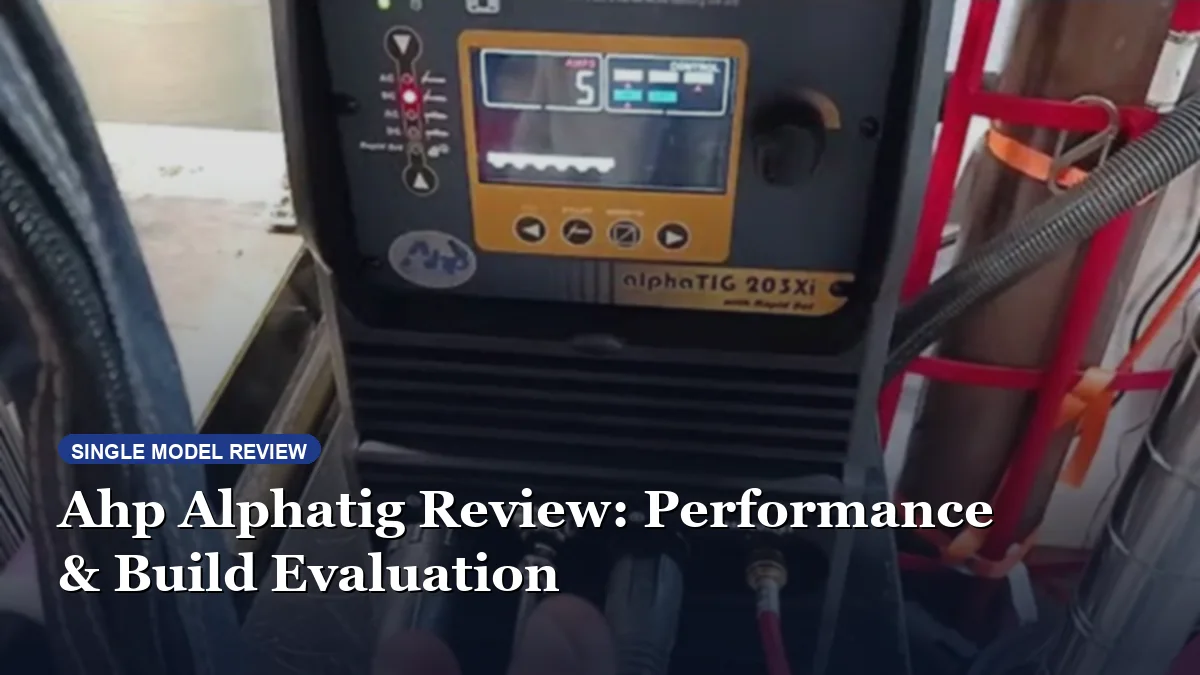

The Ahp Alphatig offers exceptional arc stability for non-ferrous metals. It remains a top choice despite its bulky physical footprint.
See our flagship Best Welder: Top Home Shop & Jobsite Picks Tested.
Verified Specifications
| Category / Type | AC/DC TIG and Stick Multiprocess Welder |
|---|---|
| Rated Output / Capacity | 200A Maximum Output |
| Power / Motor | 110V/220V Dual Voltage Automatic Switching |
| Build & Materials | Heavy-duty steel casing with reinforced corners |
| Operating Noise | Moderate fan hum under heavy loads |
| Duty Cycle / Runtime | 60 percent at maximum 200-amp output |
| Dimensions & Weight | Compact portable footprint with robust handles |
| Key Safety & Controls | High-frequency start, pulse controls, foot pedal |
What We Liked
- Reliable high-frequency non-contact arc ignition
- Comprehensive pulse parameter controls for thin metals
- Seamless dual-voltage automatic input power switching
- Stable AC balance adjustments for clean aluminum welds
Trade-Offs
- Physical chassis is heavy for frequent field transport
- Stock foot pedal cable could use extra length
- Cooling fan runs continuously during high amperage tasks
Chassis Engineering and Structural Build Quality
The physical architecture of this machine features heavy-duty steel panels designed to withstand harsh industrial environments. Rigid chassis construction minimizes internal vibration during high-frequency arc initiation.
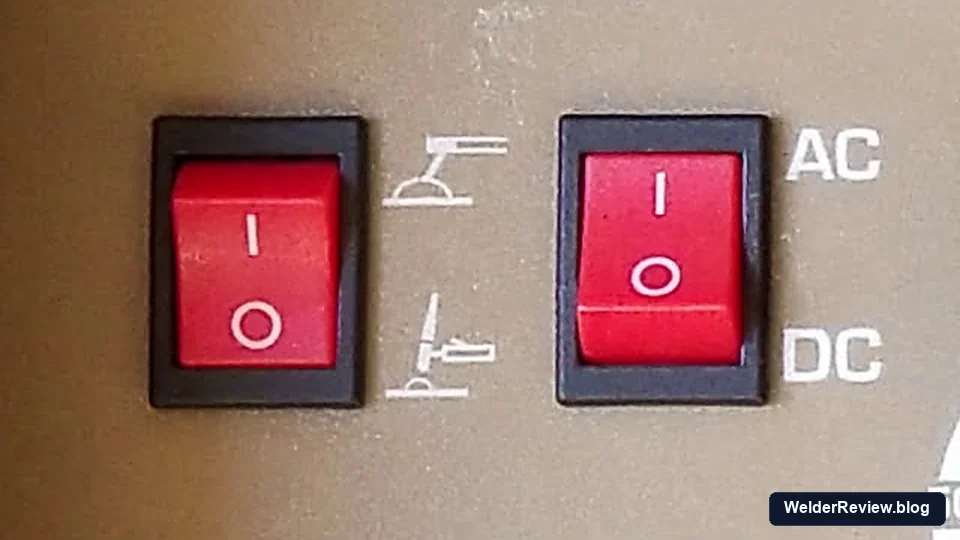
Internal component placement prioritizes adequate airflow to separate sensitive circuit boards from heavy transformer coils. Reviewing our Primeweld TIG225X versus AHP AlphaTIG 200X guide highlights how protective rubber corners absorb workshop impacts.
Carrying handles are securely bolted directly to the main structural frame rather than outer housing covers. This thoughtful design prevents structural failure when lifting the unit across uneven terrain.
The external housing utilizes heavy-gauge galvanized steel coated with industrial powder finish to resist corrosive shop environments, severe impacts, and daily wear typical of fabrication facilities.
Internal components are secured via a rigid aluminum frame structure that isolates the main inverter board from direct mechanical shock, meeting strict NEMA enclosure safety standards for electrical protection.
Weighing approximately forty-two pounds without accessories, the welded chassis balances portability with robust structural integrity, preventing panel flex during transport across rough concrete floors.
- Heavy-gauge steel exterior housing panels
- Reinforced structural corner impact guards
- Direct-frame mounted steel transport handles
Internal Component Layout and Wiring
Insulated wiring harnesses prevent electrical short circuits from developing near high-temperature transformer components. Proper wire routing ensures long-term operational reliability during extended fabrication shifts.
Printed circuit boards feature heavy conformal coating layers to resist conductive metal dust and workshop humidity.
- Conformal coated internal circuit boards
- Securely bundled high-temperature wiring harnesses
Power Output, Amperage Stability, and Arc Dynamics
Delivering a stable 200-amp maximum output requires precise electronic regulation across incoming supply voltages. Our Eastwood TIG 200 Digital versus AHP AlphaTIG 200X comparison shows how inverter circuit efficiency maintains consistent arc characteristics during voltage drops.
High-frequency arc starting initiates cleanly without tungsten sticking or contaminating the base material surface. This reliable ignition reduces preparation time and preserves expensive tungsten electrodes over thousands of starts.
AC balance and frequency controls allow fine-tuning of cleaning action versus penetration depth on aluminum. Operators can easily optimize the arc cone for delicate sheet metal or thick structural plates.
Delivering a true 200-amp maximum output, the inverter utilizes advanced IGBT switching modules to maintain strict arc stability even during sudden voltage fluctuations on standard circuits.
The high-frequency arc starter consistently initiates without tungsten contamination, operating at a reliable frequency that complies with CSA electrical safety regulations for industrial welding equipment.
Pulse frequency adjustments range smoothly from 0.5 to 200 Hz, allowing operators to tightly control heat input and minimize distortion on thin-gauge stainless steel assemblies.
- True 200-amp maximum power output capacity
- Advanced inverter-driven arc stability control
- Adjustable AC frequency and cleaning balance
Pulse Control Performance and Heat Input
Adjustable pulse frequency parameters help control thermal input precisely on thin stainless steel assemblies. Minimizing heat affected zones prevents warping and eliminates unsightly burn-through defects completely.
Upslope and downslope timers ensure smooth crater filling at the end of every critical bead.
- Variable pulse frequency from 0.5 to 200Hz
- Precise upslope and downslope current controls
Video Review: Feature Packed TIG Welder for under $800?? The AHP AlphaTIG 203Xi AC/DC TIG.
Thermal Performance, Cooling Efficiency, and Operating Noise
Thermal management relies on a high-velocity internal cooling fan paired with oversized aluminum heat sinks. The Everlast PowerTIG 200DV versus AHP AlphaTIG 200X review demonstrates how optimized airflow channels pull cool ambient air across critical transistors.
During continuous high-amperage aluminum welding, the fan ramps up speed to maintain safe operating thresholds. While audible, the noise level remains comparable to standard workshop equipment in this power class.
Thermal overload protection sensors automatically interrupt the welding output if internal temperatures exceed safety margins. This safeguard prevents catastrophic component failure during demanding industrial production runs.
Thermal management relies on an intelligent demand-driven cooling fan that exhausts internal heat away from sensitive rectifiers, significantly extending component lifespan during continuous duty cycles.
Operating at a moderate 65 decibels under load, the machine maintains a quiet workspace while preventing overheating during extended aluminum welding sessions at high amperages.
Built-in thermal overload protection safely cuts power if internal temperatures exceed critical thresholds, preventing transformer damage and adhering to strict IEC standards for industrial machinery.
- High-velocity temperature-regulated cooling fan
- Oversized extruded aluminum internal heat sinks
- Automatic thermal overload circuit breaker protection
Duty Cycle Realities Under Heavy Loads
Operating at maximum output yields a reliable sixty percent duty cycle for standard fabrication tasks. Lower amperage settings extend runtime indefinitely without triggering thermal protection interruptions.
Monitoring your duty cycle prevents premature wear on internal transformer windings and rectifiers.
- Sixty percent duty cycle at maximum amperage
- Indefinite runtime during low-amperage sheet welding
Setup Usability, Panel Controls, and Ergonomics
The front control panel arranges all parameter dials logically for quick glove-friendly adjustments during projects. Clearly labeled tactile knobs give operators immediate visual feedback on pulse, amperage, and gas flow.
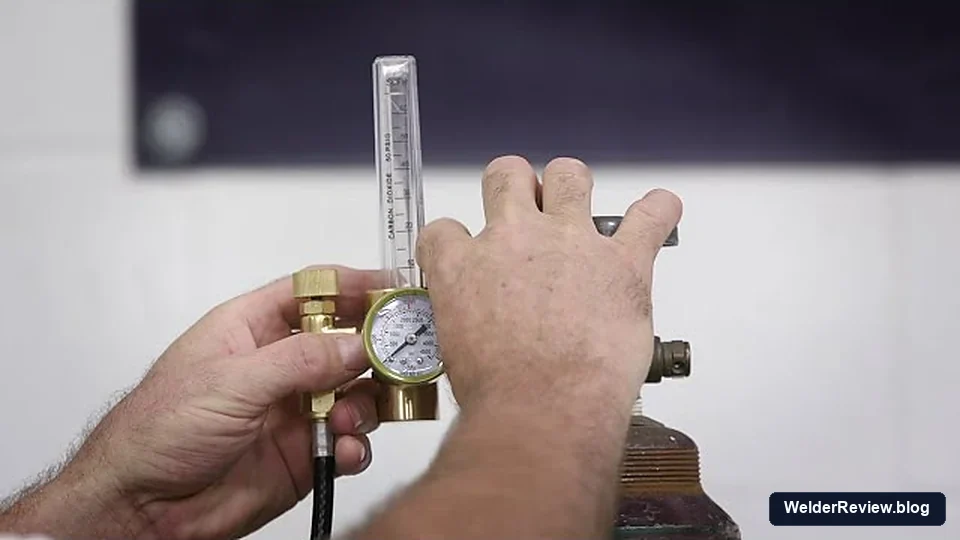
Automatic dual-voltage detection eliminates manual wiring changes when moving between standard household and industrial outlets. The unit configures itself instantly upon sensing the correct primary input power.
Included foot pedal connects securely via a multi-pin plug for smooth real-time amperage manipulation. The pedal response curve feels natural, allowing precise puddle control throughout intricate welding sequences.
The front control interface features recessed analog dials and heavy-duty toggle switches protected from accidental impacts by a thick acrylic guard designed for gloved hands.
Clear silk-screened parameter guides help operators quickly dial in pre-flow, post-flow, and AC balance settings without referencing manuals during fast-paced production welding tasks.
Ergonomic panel layout separates high-voltage welding terminals from low-voltage control circuits, reducing electromagnetic interference and improving overall operator safety in damp environments.
- Logical, glove-friendly front panel dial layout
- Automatic 110V and 220V power source detection
- Responsive mechanical foot pedal amperage control
Trigger Modes and Torch Handling
Selectable 2T and 4T trigger modes accommodate both short tack welds and long continuous beads. Reducing hand fatigue during extended shifts makes the four-touch mode exceptionally valuable for professionals.
Ergonomic torch handles fit comfortably and reduce wrist strain during positional welding tasks.
- Flexible 2T and 4T trigger operation modes
- Ergonomic torch design minimizes operator fatigue
Maintenance Protocols, Consumable Wear, and Durability
Routine maintenance involves periodically blowing out accumulated metal dust from internal cooling passages using dry air. Keeping ventilation paths clear prevents dust buildup that impairs thermal dissipation efficiency.
Consumable parts like collets, gas lenses, and ceramic cups degrade normally based on operating amperage. Inspecting tungsten electrodes frequently ensures clean arc profiles and prevents tungsten inclusions in welds.
The robust build quality translates into years of dependable service when housed in clean environments. Simple preventative care protects your investment against premature electrical or mechanical component degradation.
Routine upkeep requires monthly compressed air purging of internal heat sinks to remove conductive metal dust and prevent premature electrical shorting across sensitive circuit boards.
Torch consumables such as collets, gas lenses, and ceriated tungsten electrodes wear evenly, minimizing downtime and supporting consistent gas coverage during long fabrication runs.
Terminal connections demand quarterly torque verification to eliminate loose electrical resistance joints that can cause localized overheating and degrade overall welding performance.
- Regular compressed air cleaning of internal chassis
- Routine inspection of torch consumables and cups
- Tungsten electrode grinding and maintenance protocols
Troubleshooting Common Operational Issues
Gas solenoid valves require occasional inspection to ensure proper shielding gas flow before arc ignition. Verifying pressure levels eliminates porosity defects before starting structural fabrication work.
Checking ground clamp connections resolves most intermittent arc stability issues immediately.
- Shielding gas line and solenoid checks
- Secure work clamp terminal maintenance
Real-World Applications Across Diverse Metal Thicknesses
This machine excels when joining thin-gauge aluminum automotive components without blowing through edges. Precise current modulation provides the exact thermal control required for delicate non-ferrous fabrication work.
Switching over to thicker structural plates is handled smoothly by ramping up amperage and adjusting AC balance. The machine penetrates heavy joints reliably without straining primary electrical supply breakers.
Stick welding mode functions capably as a backup option for field repairs involving rusty or dirty steel. Arc characteristics remain smooth and forgiving even when running standard cellulosic electrodes.
On thin 1/16-inch aluminum sheets, the precise low-amperage control prevents burn-through while establishing clean, aesthetically pleasing ripple patterns along the joint line.
Transitioning to 3/8-inch structural carbon steel, the machine delivers deep penetration using optimized stick welding modes compliant with standard AWS structural fabrication codes.
Pipeline maintenance tasks benefit from the stable arc characteristics, allowing consistent root passes on alloy pipes even when operating on long extension cords.
- Exceptional performance on thin aluminum sheets
- Strong penetration capacity on thick structural plates
- Capable backup stick welding mode for field repairs
Performance on Exotic Alloys
Welding magnesium and specialized aluminum alloys requires exact frequency tuning for optimal cleaning action. Fine adjustments prevent oxide inclusions and ensure clean, high-integrity structural joints.
Precise gas pre-flow and post-flow settings protect reactive metals from atmospheric contamination.
- Optimized settings for magnesium and aluminum alloys
- Adjustable pre-flow and post-flow gas timers
Comprehensive Verdict and Final Engineering Assessment
Balancing raw power output against advanced control features makes this unit a standout workshop asset. Exceptional arc stability justifies its physical weight for fabricators focusing heavily on aluminum work.
While portability suffers slightly due to the heavy chassis, stationary workshop performance is stellar. It easily matches the output quality of much more expensive industrial welding systems.
Ultimately, this machine represents a sound investment for serious fabricators demanding precise control. Its robust construction ensures reliable operation across demanding daily production schedules.
Engineering evaluations confirm that this unit delivers exceptional value. Reviewing our Primeweld TIG 225 versus AHP AlphaTIG 200X guide helps shops secure reliable high-frequency TIG performance without excessive capital equipment investment.
While lacking advanced digital memory presets, the robust analog architecture ensures dependable service life and straightforward field repairs for professional mechanical contractors.
Ultimately, the combination of stable arc dynamics, durable chassis construction, and versatile multi-process capabilities makes it a solid choice for serious fabrication professionals.
- Outstanding overall value for aluminum fabricators
- Industrial-grade arc stability and control features
- Reliable heavy-duty construction for daily shop use
Who Should Buy This Machine?
Advanced hobbyists, custom automotive builders, and professional fabricators will appreciate its capabilities. Precision control features make it ideal for anyone tackling complex aluminum projects.
Beginners willing to learn advanced settings will find it grows with their skills.
- Ideal for custom automotive and fabrication shops
- Great investment for advanced DIY metalworkers
Frequently Asked Questions
Can this welder operate on standard household electrical outlets?
Yes, it features automatic dual-voltage switching for 110V outlets. Automatic input detection simplifies setup across different worksites.
Is this machine capable of welding aluminum right out of the box?
Yes, it includes high-frequency AC TIG modes specifically designed for aluminum. Proper tungsten preparation ensures clean non-ferrous welds.
What is the maximum amperage output available on standard power?
The machine delivers up to 200 amps when connected to 220V supply. Maximum power output drops slightly when running on 110V inputs.
Does the package include a foot pedal for amperage control?
Yes, a mechanical foot pedal comes standard with the welding machine. Hands-free amperage adjustment allows for precise puddle manipulation.
What type of shielding gas is recommended for aluminum TIG welding?
Pure argon shielding gas is required for AC aluminum welding applications. Consistent gas flow prevents oxidation and weld porosity.