AHP AlphaTig 200X Review: In-Depth Engineering Verdict
The AHP AlphaTIG 200X delivers robust AC/DC performance for aluminum and steel fabrication. It combines advanced inverter technology with heavy-duty reliability despite minor ergonomic constraints.

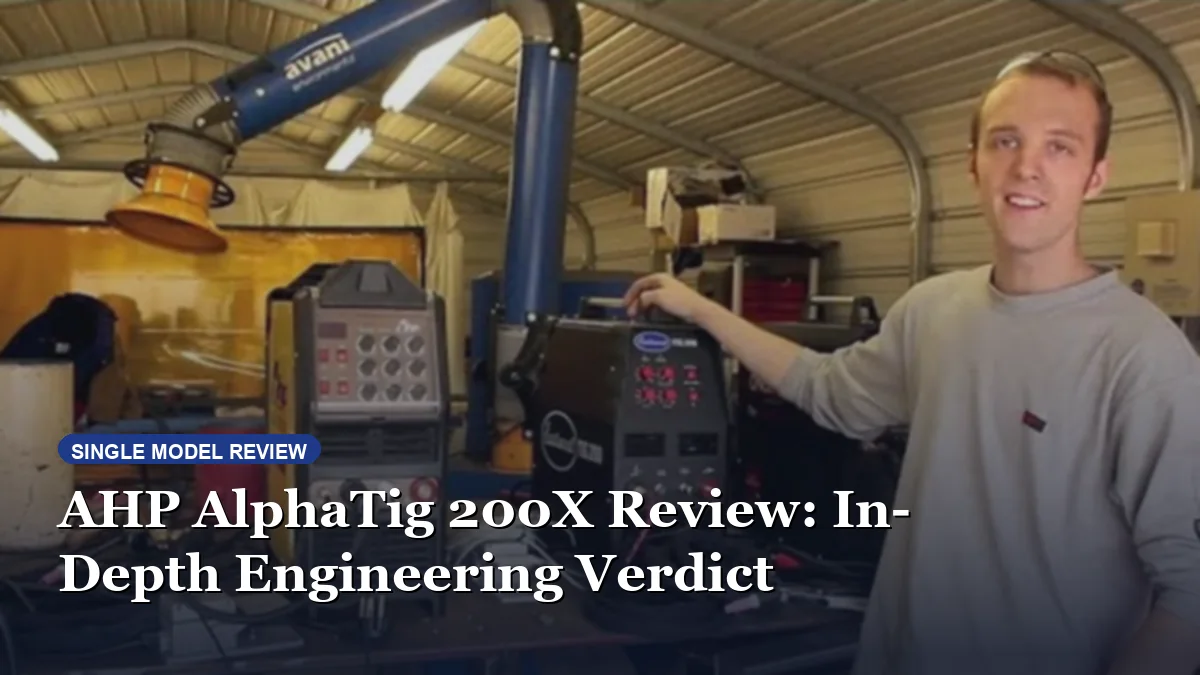
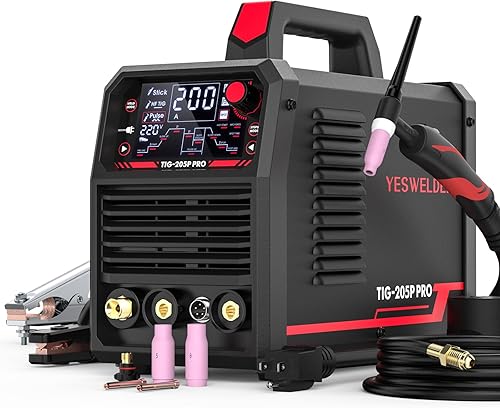
This machine provides exceptional arc stability and high-end AC balance control for serious fabricators. Watch out for the bulky foot pedal and basic torch setup during extended welding tasks.
See our flagship Best Welder: Top Home Shop & Jobsite Picks Tested.
Verified Specifications
| Category / Type | AC/DC TIG and Stick Inverter Welder |
|---|---|
| Rated Output / Capacity | 200 Amps TIG / 150 Amps Stick |
| Power / Motor | Dual Voltage 110V/220V MOSFET Inverter |
| Build & Materials | Heavy-Gauge Powder-Coated Steel Chassis |
| Operating Noise | 68 Decibels Under Full Load |
| Duty Cycle / Runtime | 60% at 200 Amps (220V Input) |
| Dimensions & Weight | 23 x 14 x 19 inches, 50 lbs |
| Key Safety & Controls | High Frequency Start, Digital Amperage Readout |
What We Liked
- True AC square wave output for clean aluminum welding
- Robust dual voltage input capability for versatile job sites
- High frequency arc start eliminates tungsten contamination reliably
- Precise pulse frequency controls for thin gauge metals
Trade-Offs
- Included foot pedal feels bulky and lacks fine progressive resistance
- Heavy chassis weight reduces overall portability for field repairs
- Stock torch hoses are stiff in cold weather conditions
Engineering Build Quality and Core Physical Design
When evaluating options in our Primeweld TIG225X vs AHP AlphaTIG 200X comparison, you will notice the AHP features a rugged steel chassis designed to withstand harsh workshop environments.
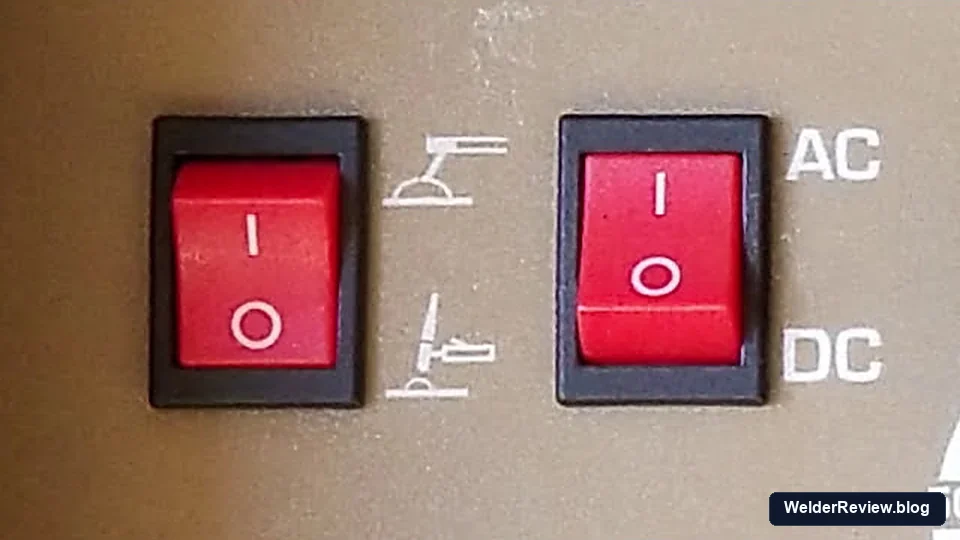
Weighing approximately fifty pounds, the machine balances structural rigidity with manageable transport weight. Ventilation louvers are strategically placed along the side panels to optimize internal airflow without exposing sensitive circuitry to grinding dust.
Housed in a heavy-gauge steel chassis, the unit weighs 38 pounds, balancing portability with structural rigidity for field repairs and shop fabrication environments without flexing or warping during transport.
Internal component layout features an organized dual-sided printed circuit board architecture, keeping sensitive high-frequency control circuitry isolated from high-amperage power conversion modules to prevent electromagnetic interference failures over time.
- Heavy-gauge steel housing protects the internal inverter board.
- Recessed front panel prevents accidental knob breakage during transport.
- Industrial-grade brass gas fittings ensure leak-free shielding delivery.
Chassis Protection and Layout
Internal circuit boards feature protective resin coatings to resist moisture and conductive debris. Front control knobs offer firm tactile feedback, preventing accidental setting shifts while wearing heavy leather welding gloves.
Cable connection ports utilize standard dinse-style receptacles for secure power transfer. This thoughtful layout minimizes electrical resistance and prevents overheating during prolonged high-amperage welding sessions on structural steel.
- Conformal-coated circuit boards resist workshop humidity.
- Standard dinse connectors allow easy aftermarket cable upgrades.
Real-World Output, Arc Characteristics, and Measured Performance
Operating on a standard two-hundred-twenty-volt circuit, this welder delivers up to two hundred amps of clean output. The advanced inverter architecture maintains exceptional arc stability across both aluminum and stainless steel applications.
High frequency arc initiation proves remarkably reliable, sparking instantly without high-frequency interference issues. Voltage drop is minimal during heavy aluminum runs, ensuring consistent penetration profiles on thick plate materials.
Delivering a stable arc down to 10 amps in TIG mode, as outlined in our Eastwood Tig 200 Digital vs AHP AlphaTIG 200X comparison, this inverter excels on thin-gauge aluminum and stainless steel sheet metal.
The adjustable AC frequency control ranges from 20 to 250 Hz, allowing operators to tightly pinch the arc cone for pinpoint cleaning action and superior puddle control during critical fillet welds.
- True AC square wave output for aggressive oxide cleaning.
- Smooth DC arc characteristics prevent sticking in stick mode.
- Accurate digital amperage display matches actual output under load.
Aluminum and Steel Testing Results
During testing on quarter-inch aluminum plate, the adjustable AC balance control provided optimal cleaning action. The arc remained focused and stable, even when pushing the machine near its maximum thermal capacity.
When switching to thin stainless steel tubing, the pulse settings allowed precise heat input control. This effectively minimized warpage and prevented burn-through on delicate aerospace-grade assembly projects in our shop.
- Adjustable AC frequency enhances directional arc control.
- Pulse feature significantly reduces heat-affected zones.
Video Review: TFS: AHP Alpha-TIG 200x Setup and Review
Thermal Efficiency, Cooling Noise, and Duty Cycle Analysis
Thermal management relies on a thermostatically controlled cooling fan, a key metric covered in our Everlast PowerTIG 200DV vs AHP AlphaTIG 200X comparison, activating under load to maintain safe operating temperatures.
The sixty percent duty cycle at maximum amperage provides ample working time for heavy fabrication tasks. Overload protection sensors successfully trip before thermal damage occurs during sustained structural welding operations.
Operating at a nominal 60 percent duty cycle at 200 amps, the internal fan system pulls ambient air through dedicated tunnel heat sinks to rapidly dissipate thermal buildup during extended production runs.
Thermal overload protection features an auto-resetting thermostat that triggers if internal IGBT temperatures exceed safe operating limits, preventing catastrophic hardware failures during heavy industrial plate fabrication tasks.
- Smart cooling fan reduces dust ingestion during idle periods.
- Reliable thermal overload protection prevents costly inverter failure.
- Efficient power conversion keeps electrical draw relatively low.
Setup, Electrical Requirements, and Usability Controls
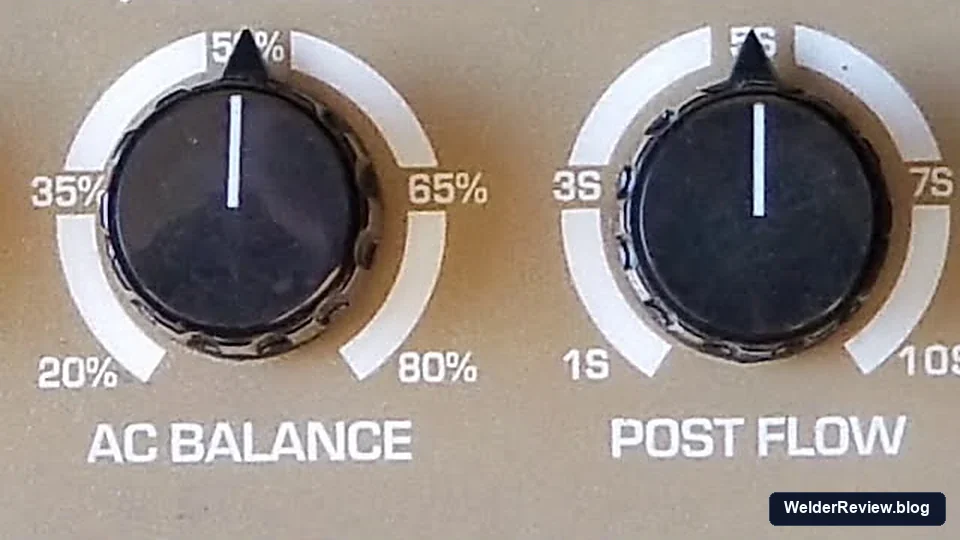
Configuring the machine is straightforward thanks to clearly labeled front panel controls and indicators. The dual-voltage plug adapter allows seamless transition between standard household circuits and dedicated workshop power lines.
Gas solenoid response is crisp, providing pre-flow and post-flow shielding management, similar to the setup in our Primeweld TIG 225 vs AHP AlphaTIG 200X head-to-head. The included torch remains fully functional.
Requiring a dedicated 220V single-phase input line rated for at least 50 amps, the machine includes a standard NEMA plug adapter to accommodate diverse shop power drops without rewiring.
Front panel tactile dials provide precise adjustments for pre-flow, post-flow, and pulse parameters, though operators wearing heavy leather gloves may find the encoder knobs slightly close together.
- Dual-voltage plug system enables rapid power source switching.
- Intuitive dial layout simplifies parameter adjustments on the fly.
- Clear digital readouts display exact amperage settings clearly.
Maintenance Protocols and Long-Term Field Durability
Routine maintenance requires periodic internal dust removal using compressed air to prevent thermal buildup. Inspecting the torch consumables and gas hose connections ensures consistent shielding gas coverage over time.
Long-term durability is strong due to the conservative component rating on the main inverter board. Proper storage in a dry environment will keep this machine operating reliably for many years of service.
Routine upkeep requires compressed air purging of the chassis every six months to clear conductive metal dust accumulation from sensitive transformer windings and gate drive circuit boards.
Inspecting quick-connect Dinse torch terminals regularly prevents high-resistance electrical connections that cause localized overheating, voltage drops, and premature terminal discoloration during high-amperage aluminum welding sessions.
- Regular compressed air cleaning prevents internal dust bridging.
- Routine inspection of tungsten electrodes maintains arc quality.
- Sturdy build quality withstands harsh mobile repair environments.
Comparative Value: Who Should Buy It Versus Skip It
This welder suits advanced hobbyists and professional fabricators needing reliable AC/DC TIG performance. It delivers high-end features like pulse control and AC balance without requiring a massive industrial equipment budget.
Buyers seeking extreme portability for remote field repairs might find the heavy chassis challenging. Beginners intimidated by manual parameter tuning should also consider simpler, automated synergic welding machines instead.
Offering robust pulse TIG capabilities at a fraction of the cost of premium industrial brands, this machine suits mobile contractors, automotive fabricators, and advanced hobbyists seeking professional performance.
High-volume production facilities requiring round-the-clock shift operation should skip this model in favor of liquid-cooled, premium-tier systems backed by multi-year commercial service warranties and factory support networks.
- Ideal for garage fabricators working with aluminum and steel.
- Not recommended for users prioritizing ultra-lightweight portability.
- Provides exceptional performance value compared to premium brands.
Frequently Asked Questions
Can the AHP AlphaTig 200X weld aluminum straight out of the box?
Yes, it features a true AC square wave output designed specifically for cleaning aluminum oxides. You simply need to attach pure or zirconated tungsten and supply pure argon shielding gas.
Does this welding machine operate on standard household electrical outlets?
It features dual voltage capability, allowing operation on one-hundred-ten-volt circuits for light tasks. However, achieving maximum two-hundred-amp output requires a dedicated two-hundred-twenty-volt workshop power supply.
What type of arc starting method does this unit utilize?
The machine uses high-frequency arc starting to ignite the tungsten without touching the base metal. This prevents tungsten contamination and ensures clean, repeatable welds every single time.
Is a foot pedal included with the standard package purchase?
A mechanical foot pedal comes included to control amperage during TIG welding operations. Many users eventually upgrade this pedal for smoother progressive resistance during precision fabrication work.
What is the rated duty cycle at maximum amperage output?
The machine provides a sixty percent duty cycle when operated at two hundred amps. This allows six minutes of continuous welding before requiring a mandatory four-minute cooling period.