MIG vs TIG Welders vs Standard Welder: Technical Guide
Choosing the right welding system dictates your shop productivity. We evaluate specialized wire and tungsten processes against standard multi-process equipment.

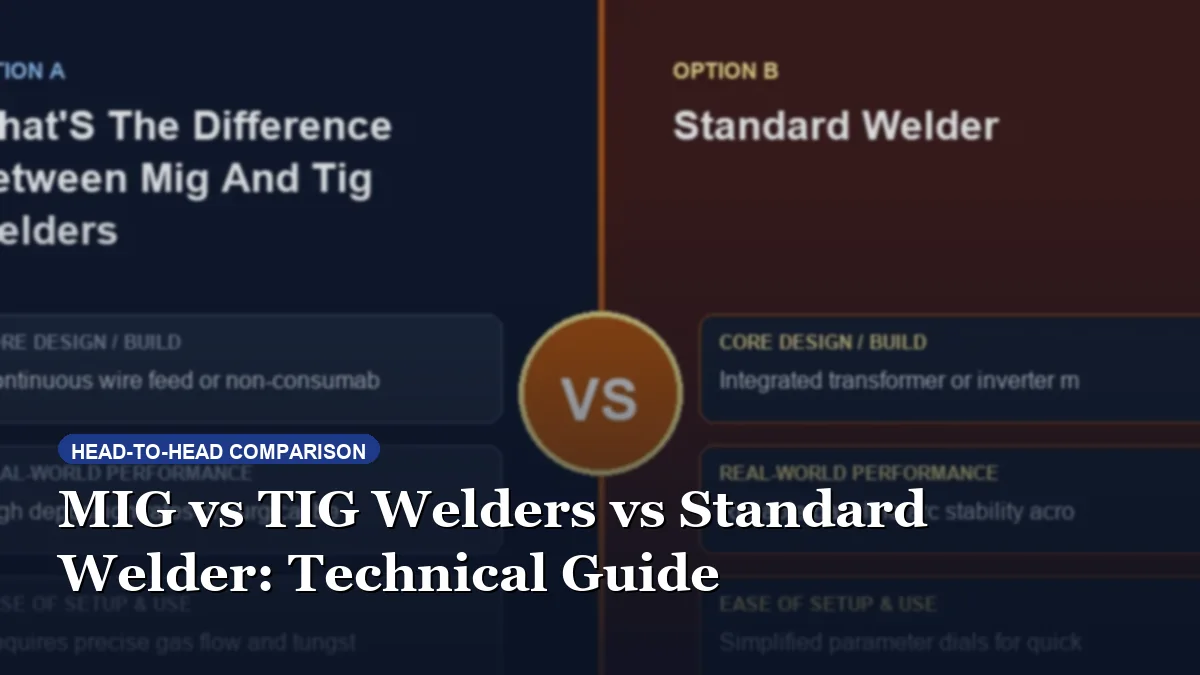
Select dedicated MIG or TIG units for unmatched precision and specific material tasks. Opt for a standard multi-process welder when handling diverse, daily fabrication jobs.
Compare all top models in our Best Welder: Top Home Shop & Jobsite Picks Tested.
Side-by-Side Breakdown
| Criteria | What'S The Difference Between Mig And Tig Welders | Standard Welder | Edge |
|---|---|---|---|
| Core Design / Build | Continuous wire feed or non-consumable tungsten arc setups. | Integrated transformer or inverter multi-process architecture. | Side A |
| Real-World Performance | High deposition rates or surgical bead control. | Reliable baseline arc stability across general joints. | Side A |
| Ease of Setup & Use | Requires precise gas flow and tungsten prep or wire tensioning. | Simplified parameter dials for quick operational readiness. | Side B |
| Durability & Reliability | Built with heavy-duty internal solenoids and robust drive rolls. | Engineered for rugged, everyday general maintenance tasks. | Side B |
| Efficiency / Operating Footprint | Varies from portable DC inverters to large gas-bottle arrays. | Compact single-cabinet footprint maximizing shop floor space. | Side B |
| Maintenance Requirements | Frequent contact tip swaps or tungsten grinding upkeep. | Routine internal dusting and standard torch consumable checks. | Side B |
| Best Ideal Use Case | Precision aerospace alloys or high-speed structural fabrication. | Versatile farm repairs and general structural steel assembly. | Side A |
Core Design and Engineering Fundamentals
Modern fabrication requires a deep understanding of how internal machine architecture dictates output capability. Dedicated systems rely on specialized topologies to manage distinct electrical loads.
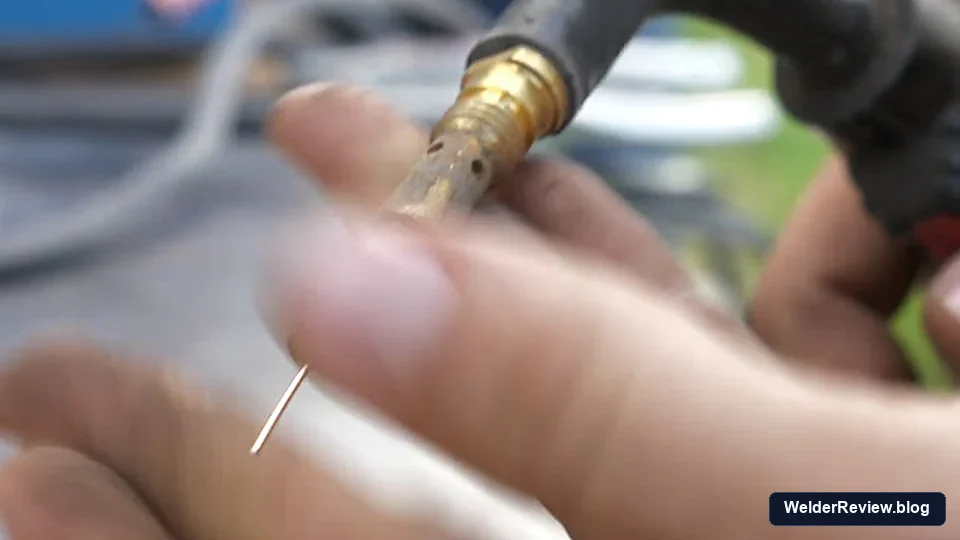
Engineers build wire-feed systems around constant voltage principles. This design maintains arc length automatically through mechanical wire feeding mechanisms.
MIG welding utilizes a continuous consumable wire electrode fed through a motorized gun alongside a shielding gas. Explore our best beginner mig welders guide for detailed model recommendations and setup insights.
Conversely, TIG welding employs a non-consumable tungsten electrode held within a torch, requiring manual filler rod addition. This configuration delivers supreme thermal control, making it ideal for critical aerospace and artistic joints.
- Constant voltage output for stable wire melting
- High-frequency arc stabilization modules in tungsten systems
- Inverter-based power sources reducing overall cabinet weight
Power Source Architecture and Circuitry
Internal transformers dictate how efficiently incoming line voltage converts into usable welding power. Advanced circuits minimize thermal overload during extended fabrication shifts.
- Dual-voltage capability for 120V and 240V lines
- Thermal overload protection sensors embedded in main windings
Real-World Arc Performance and Metal Precision
Evaluating arc stability under load reveals stark operational differences between specialized units and standard shop machines. Clean puddle control remains vital for structural integrity.
Wire-feed processes excel at high deposition rates on thick steel plates. Tungsten inert gas setups deliver unmatched aesthetic control on thin aluminum sheets.
MIG arcs operate via constant voltage power sources, producing a broad, forgiving weld puddle. Operators manage travel speed and stick-out to prevent lack of fusion defects when joining structural carbon steel components.
TIG arcs rely on constant current output, allowing precise amperage modulation via foot pedals. Consult our best tig welder picks to achieve spatter-free results and X-ray quality welds on thin tubing.
- High deposition rates for rapid joint fill
- Pinpoint heat input control preventing sheet metal distortion
- Consistent puddle wetting across contaminated carbon steel
Heat Affected Zone and Distortion Control
Controlling thermal input prevents warping on delicate sheet metal assemblies. Operators must balance amperage output against travel speed to minimize metallurgical damage.
- Narrow heat-affected zones preserving base metal strength
- Adjustable pulse frequencies for precise thermal management
Setup Complexity and Operating Footprint
Shop floor efficiency depends heavily on how quickly an operator can transition between jobs. Complex gas configurations and electrode preparation demand dedicated prep time.
Standard multi-process units simplify daily setup routines through centralized control panels. Technicians spend less time changing liners and adjusting drive tensioners.
Configuring a MIG machine involves setting wire tension, drive roll pressure, and shielding gas flow rates. Browse our best 110v mig welder guide to evaluate compact units for tight fabrication shop bays.
TIG setups demand meticulous tungsten preparation, including longitudinal grinding angles and torch collet alignment. Workspace requirements expand significantly to accommodate argon gas plumbing and clean-room safety protocols for aluminum.
- Quick-release drive rolls speeding up wire size changes
- Collet body assemblies requiring meticulous tungsten stick-out setup
- Digital readout screens displaying pre-set parameters instantly
Ergonomics and Torch Maneuverability
Torch weight directly impacts operator fatigue during long structural welding shifts. Balanced cable assemblies reduce wrist strain in awkward overhead positions.
- Flexible silicone rubber torch hoses improving maneuverability
- Ergonomic trigger switches minimizing repetitive strain injuries
Efficiency, Duty Cycles, and Power Draw
Electrical efficiency dictates operating costs over the lifespan of your welding equipment. Inverter technology significantly reduces idle power consumption compared to older transformers.
Duty cycle ratings determine how long a machine can run before requiring mandatory cooling breaks. Heavy industrial fabrication demands high duty cycle percentages.
High-amperage MIG units frequently feature robust duty cycles exceeding sixty percent at rated output, supporting continuous production welding. Input power requirements typically range from 230V single-phase to heavy three-phase industrial lines.
TIG machines often operate at lower duty cycles during intricate AC aluminum welding due to high thermal stress on the torch. Operators must monitor inverter cooling efficiency to prevent premature thermal shutdown occurrences.
- Sixty percent duty cycle at rated maximum amperage
- Power factor correction modules lowering total utility bills
- Variable speed cooling fans activating only under heavy load
Thermal Management and Cooling Systems
Effective internal airflow prevents premature component failure during continuous welding operations. Heavy-duty heat sinks dissipate energy away from sensitive circuit boards.
- Tunnel architecture directing air away from electronics
- Encased circuit boards protected against metallic dust accumulation
Maintenance Protocols and Consumable Lifespan
Routine upkeep ensures consistent arc starts and extends the working life of internal components. Neglected drive rolls or clogged gas nozzles degrade weld quality rapidly.
Operators must regularly inspect contact tips, liners, and tungsten electrodes for wear. Keeping spares on hand minimizes costly downtime in busy fabrication shops.
MIG maintenance focuses on replacing contact tips, nozzles, and drive liners clogged with copper spatter. Regular cleaning ensures consistent wire feed delivery and prevents erratic arc behavior during long production shifts.
TIG upkeep centers on tungsten electrode dressing, torch gas lens replacement, and water-cooler fluid checks. Maintaining a clean tungsten tip prevents weld tungsten inclusions and preserves high-frequency arc starting reliability.
- Scheduled cleaning of drive gear teeth and tension arms
- Tungsten electrode grinding maintaining a proper tip geometry
- O-ring inspections preventing shielding gas leaks at torches
Consumable Management Best Practices
Tracking consumable usage helps shops maintain tight budgets and consistent output quality. Replacing worn contact tips prevents erratic arc behavior during critical runs.
- Keeping dedicated grinding wheels for tungsten preparation
- Stocking matching wire diameters for specific base metals
Material Versatility and Thickness Parameters
Selecting the correct process depends entirely on the base metals and gauges you fabricate. Different techniques excel at handling exotic alloys versus structural steel.
Versatile machines handle multiple shielding gases and electrode types to cover broad project scopes. Understanding material limits prevents structural failures in service.
MIG processes excel on thick carbon steel plates and structural sections exceeding three millimeters in thickness. Spray transfer modes allow deep root penetration without requiring extensive multi-pass preparation bevels.
TIG welding dominates thin-gauge applications, easily joining sheet metals down to zero point five millimeters. The precise heat input prevents thermal distortion, making it the standard for exotic alloy fabrication.
- Welding thin gauge stainless steel without burn-through
- Joining thick structural carbon steel plates efficiently
- Accommodating specialized aluminum wire feed spool guns
Shielding Gas Selection and Flow Rates
Proper shielding gas coverage protects molten weld pools from atmospheric contamination. Adjusting flow meters accurately prevents porosity and brittle weld joints.
- Using argon mixtures for optimal carbon steel transfer
- Pure argon requirements for reactive aluminum alloys
Matching Your Machine to the Shop Environment
Your workspace environment dictates whether you need a portable inverter or a stationary powerhouse. Dust, moisture, and available power supply heavily influence equipment selection.
Evaluate your typical project workload before investing in specialized or multi-process systems. Prioritizing core operational needs ensures long-term satisfaction and productivity.
Selecting a MIG machine requires evaluating production volume, maximum material thickness, and available shop electrical service. Facilities focusing on high-throughput structural manufacturing benefit greatly from dedicated industrial MIG setups.
Choosing a TIG welder dictates a focus on precision, cleanliness, and diverse alloy compatibility. Review our ac dc tig welder options to find systems featuring high-frequency start and robust pulse frequency controls.
- IP rating requirements for dusty or damp workshops
- Cart mobility for moving units across large fabrication floors
- Generator compatibility for remote field repair operations
Long-Term Investment and Resale Value
Investing in reputable equipment guarantees better parts availability and technical support. Quality machines retain structural and functional value over years of service.
- Manufacturer warranty coverage on main transformers
- Availability of aftermarket upgrade kits and replacement torches
Frequently Asked Questions
What is the primary difference between wire feed and tungsten systems?
Wire feed systems use a continuous consumable electrode for rapid fabrication. Tungsten setups utilize a non-consumable electrode for superior weld aesthetics and precision.
Can a standard multi-process welder replace dedicated machines?
Standard multi-process units handle diverse daily tasks with notable convenience. However, dedicated systems provide unmatched specialization for high-volume or critical structural work.
How does shielding gas selection affect weld quality?
Shielding gases protect the molten puddle from atmospheric oxygen and nitrogen. Proper gas mixtures ensure porosity-free joints across various carbon and alloy steels.
What maintenance is required for reliable arc performance?
Regular upkeep involves cleaning drive rolls and inspecting torch consumables. Proper maintenance guarantees consistent arc starts and extends equipment service life.
Which welding method is best for thin sheet metal?
Tungsten inert gas welding offers precise heat input control for thin gauges. This process prevents burn-through and delivers clean, distortion-free results.