Arc Welding vs MIG Welding: Technical Comparison Verdict
Understanding the core differences between shielded metal arc systems and wire-feed gas metal arc machines is vital. Choosing the right process dictates your weld integrity, operational speed, and workshop workflow.

Stick arc systems excel in outdoor, heavy-duty repair work due to wind resistance and slag protection. Conversely, MIG wire-feeders deliver unmatched speed and precision on clean, thin-gauge sheet metal indoors.
Compare all top models in our Best Welder: Top Home Shop & Jobsite Picks Tested.
Side-by-Side Breakdown
| Criteria | What'S The Difference Between Arc Welding And Mig Welding | Standard Welder | Edge |
|---|---|---|---|
| Core Design / Build | Uses consumable coated electrodes and manual flux shielding | Employs continuous wire feed with external shielding gas | MIG for indoor control |
| Real-World Performance | Exceptional on thick, rusty, or dirty structural steel | Superior speed and clean fusion on thin carbon steel | Tie based on material |
| Ease of Setup & Use | Requires precise strike technique and manual slag removal | Trigger-activated wire feed simplifies learning curve | Standard Welder |
| Durability & Reliability | Rugged transformer designs withstand harsh jobsite abuse | Complex drive motors and electronics require clean storage | Arc Welding |
| Efficiency / Operating Footprint | Lower deposition rates with frequent electrode changes | High continuous deposition with minimal downtime | Standard Welder |
| Maintenance Requirements | Minimal internal maintenance beyond cable and holder upkeep | Regular liner cleaning, contact tip replacements, and gas checks | Arc Welding |
| Best Ideal Use Case | Heavy field fabrication, farm repairs, and pipeline welding | Automotive restoration, sheet metal fabrication, and production lines | Context Dependent |
Fundamental Engineering and Core Design Principles
Shielded metal arc systems rely on a consumable flux-coated electrode that creates both the arc and the protective gas shield. This metallurgical design allows operators to weld outdoors without wind interference.
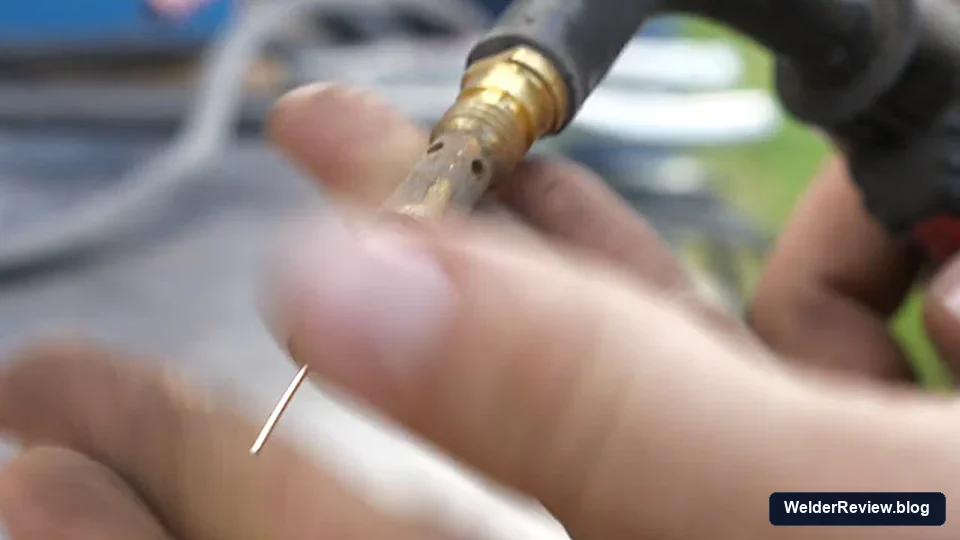
Conversely, standard wire-feed machines utilize continuous solid wire paired with our best gas for mig welding mild steel guide to protect the molten weld puddle from atmospheric contamination.
Understanding these foundational mechanical differences helps fabricators select appropriate power sources for distinct structural demands, ensuring maximum safety compliance and structural integrity across various project types.
Shielded Metal Arc Welding relies on a flux-coated consumable electrode that generates protective gas via thermal decomposition. This chemistry establishes a stable slag barrier over the solidifying puddle, shielding reactive metals from atmospheric nitrogen.
Conversely, Gas Metal Arc Welding utilizes a continuous solid wire feed paired with an external bottled shielding gas cylinder. The electrical circuit completes directly through the bare wire, maintaining high deposition rates without manual electrode changes.
Internal transformer architectures differ significantly between these methodologies to handle divergent duty cycles. SMAW machines require drooping volt-amp characteristics, whereas GMAW power sources depend on constant voltage outputs to automatically regulate arc length during welding operations.
- Manual electrode replacement increases downtime.
- Continuous wire feeding maximizes deposition efficiency.
- External shielding gases demand stable indoor environments.
Electrode Delivery Mechanics
Stick equipment transfers electrical current directly through the metal core of the coated rod. Operators must manually shorten the arc gap as the electrode melts into the joint.
Wire-feed systems automate this vital process by matching wire speed to voltage output. This electronic synchronization delivers consistent arc length and stable penetration profiles without manual adjustments.
- Manual tracking demands high hand-eye coordination.
- Automated drives reduce operator fatigue significantly.
Real-World Performance Across Varying Material Thicknesses
When evaluating heavy structural steel plates, traditional stick methods provide deep, reliable penetration. The intense heat input easily cuts through thick mill scale and surface rust without extensive prep work.
On lighter sheet metal and tubing, wire-feed units prevent burn-through by offering fine voltage adjustments. Their precise heat control makes them the primary choice for automotive body panels.
Fabricators frequently switch between these two distinct technologies depending on whether they face heavy structural beams or delicate architectural fabrications requiring minimal post-weld distortion.
Heavy structural steel fabrication heavily favors stick welding due to superior deep-penetration capabilities on thick, contaminated plates. Mill scale and light rust pose minimal interference because the aggressive flux chemistry actively cleans joint root surfaces.
Sheet metal fabrication and thin gauge automotive applications demand the precise heat control offered by wire feed systems. Using 0.023-inch wire prevents burn-through while delivering clean, spatter-free fillets on panels measuring under one-eighth inch thick.
Pairing your equipment with the best 110v mig welder for the money ensures clean, spatter-free fillets on sheet metal while maintaining precise heat control in everyday workshop environments.
- Stick excels on steel plate exceeding quarter-inch thickness.
- MIG dominates sheet metal applications under eighth-inch thickness.
- Proper joint preparation minimizes structural failure risks.
Handling Contaminated Surfaces
Field repairs often involve rusted, painted, or greasy metals that defy clean fusion. Stick electrodes contain powerful flux formulations that float impurities directly to the surface as slag.
Standard wire-feed setups demand meticulously cleaned joint areas to prevent catastrophic porosity. Any remaining oil or mill scale will destabilize the arc and weaken the final weld.
- Flux coatings actively scavenge surface contaminants.
- Gas-shielded wire requires bare, polished base metal.
Arc Stability, Shielding Mechanics, and Weld Pool Control
Maintaining a stable arc requires balancing amperage output and travel speed carefully. Stick welding relies on the evaporating flux coating to generate a protective gaseous cloud around the molten pool.
Standard wire-feed systems rely on compressed gas cylinders delivering argon, carbon dioxide, or specialized blends. This pressurized stream ensures complete coverage of the active weld zone against atmospheric oxygen.
Operators must monitor wind conditions closely when utilizing gas-shielded processes outdoors. Even mild breezes can displace the shielding gas envelope, causing severe oxidation and porous, weak structural joints.
External shielding gases like argon-carbon dioxide blends protect the GMAW puddle from atmospheric contamination. This inert or semi-inert gas envelope ensures clean transfer droplets without forming a thick, obstructive slag layer over beads.
Stick welding sacrifices visual puddle clarity for robust, self-contained chemical shielding provided entirely by the consumable coating. Welders must read the molten pool behavior and trailing slag boundary rather than seeing the naked arc interface.
Wind resistance represents a major operational differentiator during outdoor structural erection. Reviewing our setting mig welding shielding gas flow rates guide helps prevent atmospheric contamination during windy field conditions.
- Slag blanket cools slowly, improving metallurgical grain structure.
- Gaseous shielding provides crystal-clear visibility of the puddle.
- Wind screens are mandatory for outdoor gas-shielded operations.
Visualizing the Puddle Dynamics
Reading the weld puddle dictates the overall quality of your finished joint. Stick welding requires managing both the molten metal and the trailing slag layer behind the travel path.
Wire-feed processes offer an unobstructed view of the arc fusion point. This clear visibility allows beginners to manipulate the gun angle and travel speed with greater confidence.
- Slag reading takes extensive practical training.
- Clear puddles speed up the learning curve.
Setup Complexity, Portability, and Daily Operational Workflow
Portability remains a massive advantage for traditional stick units in remote locations. You only need a power source and electrode holder to execute structural repairs miles from the nearest workshop.
Wire-feed machines involve heavier setups due to attached drive mechanisms and gas cylinders. Transporting this equipment requires dedicated carts and careful handling to prevent regulator damage during transit.
Streamlining your daily workflow depends heavily on minimizing equipment footprint and reducing setup times before tackling urgent fabrication projects in the field or factory.
Workshop mobility favors lightweight inverter machines. Understanding arc force on stick welders helps operators eliminate heavy gas cylinders, reducing transport hazards when moving between distant maintenance job sites.
Wire feed systems require managing heavy gas bottles, drive rolls, and liner tensions, increasing initial operational complexity. However, once calibrated, they dramatically reduce idle time by eliminating frequent electrode changes and slag chipping steps.
Daily maintenance routines include checking contact tips for wear and clearing drive assemblies of metallic debris. Stick welders require virtually no mechanical wire feeding maintenance, focusing solely on electrode holder integrity and cable insulation safety.
- Stick welders fit easily into standard truck beds.
- MIG setups require secure gas cylinder transportation.
- Quick connections improve daily productivity metrics.
Power Supply Requirements
Jobsite environments often present challenging electrical infrastructure limitations. Heavy-duty stick machines can operate efficiently on portable engine-driven generators during remote construction phases.
Standard wire-feed systems demand stable input voltage to maintain electronic drive motor speed. Voltage fluctuations can cause wire bird-nesting and erratic arc transfer characteristics.
- Generators must match transformer current draws.
- Inverter technology improves portable power stability.
Maintenance Protocols, Consumable Costs, and Equipment Longevity
Routine maintenance keeps your welding inventory operating at peak efficiency. Stick equipment features very few moving parts, translating to exceptional long-term durability in harsh industrial environments.
Wire-feed systems contain intricate drive rolls, liners, and contact tips that wear out rapidly. Regular cleaning of the gun liner prevents wire feeding friction and costly bird-nesting issues.
Budgeting for ongoing consumables requires factoring in electrode stub loss versus replacement contact tips and shielding gas refills over thousands of operating hours.
Consumable economics heavily influence long-term operational budgets for high-volume fabrication shops. Stick electrodes involve lower per-pound raw material expenses, but high stub-loss wastage offsets savings compared to continuous solid wire spool efficiency.
Machine longevity depends on protecting sensitive internal electronics from conductive metallic grinding dust. Regular compressed air blow-outs of transformer cooling fins and circuit board enclosures prevent premature electrical failures in harsh industrial environments.
Torch maintenance for wire systems involves regularly replacing nozzles, diffusers, and contact tips to ensure consistent electrical pickup. Neglecting these routine replacements causes erratic arc characteristics, wire bird-nesting, and substandard fusion quality.
- Inspect electrode holders for cracked insulation regularly.
- Replace worn contact tips to maintain stable electrical transfer.
- Store flux rods in heated cabinets to prevent moisture absorption.
Consumable Management Strategies
Managing consumable inventory prevents costly project delays on commercial jobsites. Keep spare contact tips, nozzles, and drive rolls organized within easy reach of your welding station.
Store unused stick electrodes in airtight containers or specialized ovens. Moisture infiltration ruins flux chemistry, leading to hydrogen cracking and brittle structural weldments.
- Keep diverse wire diameters stocked for varied tasks.
- Discard oxidized or damp electrodes immediately.
Efficiency, Power Consumption, and Duty Cycle Realities
Duty cycles dictate how long a machine can operate continuously before requiring a cooling period. Industrial stick rectifiers often boast high duty ratings suitable for continuous fabrication schedules.
Standard wire-feed units offer high deposition efficiency because continuous wire eliminates stub loss. This operational speed reduces total labor hours required to complete large production runs.
Balancing machine duty cycles against your specific project demands prevents overheating and premature transformer failure in high-output professional workshops.
Electrical efficiency ratings vary depending on internal transformer losses and arc voltage drop characteristics. Modern inverter-based power sources achieve significantly higher electrical conversion efficiencies than older heavy copper-wound transformer welding machines.
Duty cycle limitations dictate continuous welding durations before thermal overload protection engages. Industrial wire feeders frequently run at higher operational duty cycles during automated production runs, whereas manual stick welding requires frequent pauses.
Power consumption spikes during high-amperage structural steel applications running large-diameter electrodes. Facility managers must calculate peak amperage draw requirements to avoid tripping main circuit breakers during heavy industrial fabrication shifts.
- High duty cycles support heavy industrial workloads.
- Continuous wire feeding boosts overall shop productivity.
- Thermal overload protection prevents internal component damage.
Calculating Deposition Rates
Deposition rate measures how much filler metal is successfully deposited into a joint per hour. Wire-feed systems generally outperform manual processes due to uninterrupted feeding mechanics.
Stick welding suffers from natural downtime caused by chipping slag and inserting fresh electrodes into the holder. Factoring this downtime into bids ensures accurate labor estimation.
- Wire deposition reduces total project labor costs.
- Slag removal consumes valuable fabrication time.
Selecting the Optimal Process for Your Specific Workshop Needs
Choosing between these technologies ultimately depends on your primary application environment and material selection. Assess whether your workflow prioritizes outdoor field repairs or clean indoor sheet metal fabrication.
Investing in versatile multi-process equipment bridges the gap for hobbyists and professional shops alike. Always prioritize safety gear, proper ventilation, and appropriate personal protective equipment during operation.
Reviewing your budget, skill level, and workspace limitations ensures you select the most effective welding system for long-term operational success.
Choosing the correct welding process requires balancing project material types, joint configurations, and environmental conditions. Farm repairs and outdoor structural fabrication heavily favor stick welding for its unmatched versatility on dirty metals.
Production welding environments handling clean sheet metals or structural tubing benefit enormously from high-speed wire feed processes. Investing in a dual-process machine provides ultimate operational flexibility for diverse custom fabrication workloads.
Evaluating your facility's ventilation, electrical supply, and operator skill levels ensures safe, productive equipment deployment. Prioritizing core operational demands over upfront equipment costs guarantees long-term satisfaction and reliable structural weld integrity.
- Match the process directly to your base metal types.
- Prioritize safety compliance over equipment cost savings.
- Evaluate workspace ventilation before initiating projects.
Future-Proofing Your Welding Investment
Purchasing reliable welding gear requires anticipating future project expansions and skill development. Modern inverter power sources offer exceptional versatility for growing fabrication businesses.
Consult manufacturer specifications and technical reviews to verify machine capabilities before making a final purchasing decision for your workshop.
- Look for adaptable multi-voltage input options.
- Verify warranty coverage for internal transformer components.
Frequently Asked Questions
Can I use a standard wire-feed welder outdoors without a tent?
External shielding gases disperse easily in windy outdoor environments. Therefore, you must use wind screens or switch to flux-cored wire to prevent weld porosity.
Why does my stick electrode stick to the metal plate constantly?
This frustrating issue usually stems from insufficient amperage settings or poor arc strike technique. Adjusting your machine amperage and striking with a confident motion resolves it.
Is stick welding harder to learn than wire-feed welding?
Stick welding demands precise manual control over arc length and slag management. In contrast, continuous wire feed offers a much gentler learning curve for beginners.
What kind of metal preparation is required for stick welding?
Stick welding tolerates rust, paint, and mill scale remarkably well. However, removing heavy contamination ensures superior structural penetration and cleaner joint results.
Do I need a dedicated gas cylinder for standard wire-feed welding?
Solid wire requires an external shielding gas cylinder like argon or carbon dioxide. Alternatively, running flux-cored wire eliminates the need for external bottled gas entirely.