Tig vs Flux Core: Concise Verdict
Choosing the right joining process depends on your metallurgical needs and shielding gas setup. We evaluate these two popular methods thoroughly.

Choose Tig for absolute precision and clean stainless steel work. Select Flux Core for heavy structural steel outdoors where portability matters most.
Compare all top models in our Best Welder: Top Home Shop & Jobsite Picks Tested.
Side-by-Side Breakdown
| Criteria | Tig | Flux Core | Edge |
|---|---|---|---|
| Core Design / Build | Manual electrode vs shielding gas | Tubular wire with internal flux | Tig |
| Real-World Performance | Extreme precision and control | High deposition and deep penetration | Flux Core |
| Ease of Setup & Use | Complex gas routing and tungsten prep | Direct plug and feed operation | Flux Core |
| Durability & Reliability | Solid high alloy capability | Structural carbon steel focus | Tig |
| Efficiency / Operating Footprint | Slow travel speed and manual feed | Fast fill rates and continuous wire | Flux Core |
| Maintenance Requirements | Minimal spatter and clean torches | Slag removal and regular tip cleaning | Tig |
| Best Ideal Use Case | Motorsports and thin sheet metal | Heavy farm equipment and outdoor repairs | Split |
Core Design and Engineering Differences
Engineering gas tungsten arc welding requires high frequency arc initiation and dedicated shielding gas cylinders. Operators control a tungsten electrode manually while feeding a separate filler rod by hand.
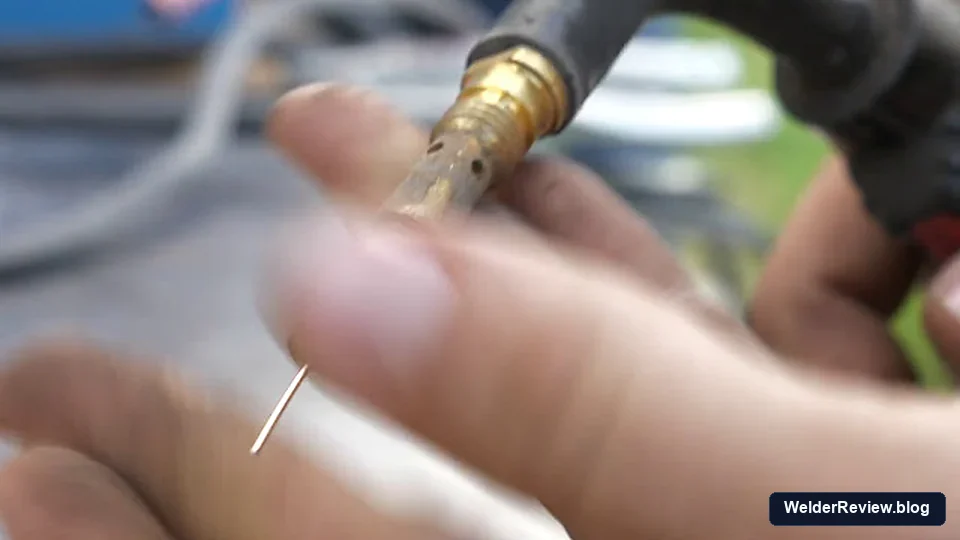
Conversely, selecting the best flux core welder for beginners simplifies self shielded fabrication using continuous tubular wire filled with specialized chemical fluxes for arc protection.
- Tungsten inert gas equipment always relies on pure argon gas delivery to protect the molten weld pool from atmospheric contamination during critical aerospace fabrication tasks.
- Flux core wire feed machines utilize specialized internal chemical compounds to create protective gas shields without external tanks during demanding outdoor heavy construction work.
- Power source electrical requirements differ significantly because tungsten welding demands stable constant current outputs while wire feed systems require consistent voltage delivery.
Power Source Architecture
Both welding methods demand distinct electrical output profiles optimized for specific arc stability parameters. Constant current machines serve the tungsten process best during manual root passes.
Wire feeders requiring constant voltage output power deliver reliable arc characteristics for continuous flux core production. Selecting the correct machine prevents severe spatter and poor fusion.
- Advanced inverter technology provides modern fabricators with lightweight power sources capable of handling both delicate tungsten operations and heavy wire feed applications.
- Factory duty cycles dictate how long operators can run high amperage wire feed systems before thermal overload protection shuts down the primary transformer.
Metallurgical Principles and Arc Mechanics
Metallurgical purity remains the primary advantage of non consumable tungsten setups. Welders achieve incredible puddle clarity because atmospheric gases are completely excluded by inert shielding blankets.
Choosing the best budget flux core welder relies on slag systems to support molten metal against gravity overhead. This chemical interaction purifies dirty metals effectively while leaving a protective crust.
- Inert shielding gases prevent oxidation entirely during high alloy stainless steel fabrication where corrosion resistance is an absolute requirement for structural longevity.
- Internal flux ingredients scavenge impurities aggressively from rusty or mill scaled carbon steel plates during heavy equipment repair operations in remote field environments.
- Arc voltage drops and current fluctuations alter weld bead geometry drastically if equipment settings are not matched precisely to the chosen base metal thickness.
Shielding Chemistry and Puddle Control
Managing the molten puddle requires different visual techniques depending on the chosen process. Tungsten operators watch the fluid puddle spread smoothly across joint boundaries.
Flux core operators focus on dragging the slag column behind the arc to ensure proper fill and prevent slag inclusions within multipass structural weld joints.
- External argon flow rates must be monitored carefully to prevent turbulent aspiration of atmospheric oxygen into the hot tungsten weld puddle zone.
- Slag viscosity determines positional welding capabilities when fabricating vertical up or overhead tee joints on heavy structural steel building components.
Real-World Performance and Joint Penetration
Real world performance tests using the best 110v flux core welder highlight massive differences in travel speed. This process excels at laying down large amounts of weld metal quickly.
Tungsten setups trade high speed deposition for unmatched aesthetic control and root pass integrity on thin tubing, making them standard practice in motorsports fabrication shops.
- High deposition rates allow structural steel fabricators to complete thick plate fillet welds in a single pass without extensive multi layer edge preparation.
- Precision heat input control prevents distortion on thin aluminum sheets when using alternating current tungsten welding equipment for automotive radiator repairs.
- Deep joint penetration helps structural wire feed systems fuse thick steel sections securely even when joint fit up tolerances are slightly suboptimal.
Deposition Rates and Travel Speeds
Measuring productivity involves calculating pounds of weld metal deposited per hour. Continuous wire feeding systems outperform manual rod feeding methods by significant operational margins.
Tungsten welding prioritizes joint metallurgy over speed, resulting in lower overall deposition totals but drastically reduced post processing cleanup time in cleanrooms.
- Continuous wire feed mechanisms eliminate downtime associated with stopping to grab new filler rods during long structural beam assembly operations.
- Manual filler rod manipulation demands synchronized hand movement to maintain steady deposition volume along complex curved tubular joint intersections.
Setup Complexity and Ergonomic Footprint
Setting up a tungsten workstation involves gas regulators, high frequency torch leads, and careful tungsten grinding. Every component demands meticulous attention before striking an arc.
Wire feed equipment offers rapid deployment because operators simply load a spool, adjust drive roll tension, and pull the gun trigger to start welding immediately.
- Tungsten electrode preparation requires longitudinal grinding marks to ensure stable arc directional control and prevent erratic wandering across the joint.
- Cylinder management adds logistical overhead for mobile tungsten rigs operating in windy outdoor environments where shielding gas blows away easily.
- Ergonomic torch designs dictate operator fatigue levels during long shifts involving overhead structural welding with heavy water cooled cable assemblies.
Consumable Preparation and Handling
Preparing tungsten electrodes requires dedicated diamond wheels to prevent chemical contamination. Contaminated tips cause erratic arc behavior and premature arc wandering issues.
Selecting options from the best flux core wire for beginners involves inspecting drive roll tension to prevent crushing the hollow tubular structure, which causes feeding jams.
- Proper storage cabinets protect sensitive wire spools from absorbing ambient moisture that causes porosity inside completed structural weld deposits.
- Tungsten collets and ceramic cups require regular inspection for cracks that allow ambient air into the shielding gas stream during operation.
Maintenance, Efficiency and Consumable Longevity
Maintenance routines protect your investment in expensive welding hardware over years of heavy use. Tungsten torches require clean cooling lines and undamaged power cable connections.
Wire feed guns demand frequent contact tip replacement and liner cleaning to prevent erratic wire feeding caused by copper shaving accumulation during heavy production.
- Water recirculators prevent overheating on high amperage tungsten torches during continuous industrial production runs on thick stainless steel pressure vessels.
- Drive roll grooves must match the specific wire diameter perfectly to avoid slipping and erratic arc performance during structural fabrication projects.
- Consumable costs vary widely depending on shielding gas consumption rates versus continuous tubular wire spool replacement expenses over long periods.
Preventative Care and Troubleshooting
Troubleshooting poor arc starts usually points back to dirty ground clamps or contaminated tungsten tips. Routine cleaning restores optimal electrical conductivity quickly.
Clearing birdnests inside wire feed compartments saves valuable production time when aggressive drive tension settings cause wire tangling during heavy use.
- Regularly blowing out liner assemblies removes accumulated metallic dust and debris that causes intermittent wire feeding friction problems.
- Inspecting shielding gas hoses for microscopic leaks prevents costly weld porosity issues during critical stainless steel pipe welding operations.
Safety Protocols and Environmental Factors
Welding safety demands rigorous adherence to personal protective equipment standards and ventilation protocols. High frequency tungsten arcs generate ozone requiring powerful smoke extractors.
Flux core welding produces dense smoke plumes containing hazardous metallic fumes that mandate dedicated local exhaust ventilation systems inside enclosed fabrication shop environments.
- Ultraviolet radiation emitted by high amperage tungsten arcs requires heavy leather garments and specialized shade lenses to protect skin and eyes.
- Ventilation fans must capture harmful flux fumes effectively before they accumulate within breathing zones during indoor structural fabrication tasks.
- Compressed gas cylinders require secure chain restraints to prevent catastrophic tipping accidents inside busy automotive and structural repair shops.
Ventilation and Personal Protection
Protecting operator health requires powerful fume extraction arms positioned directly above the active weld zone during all industrial fabrication processes.
Wearing appropriate respirator masks certified against metallic oxides ensures long term occupational safety when operating heavy flux core wire systems daily.
- Auto darkening helmets with adjustable delay settings protect operator eyes from sudden arc flashes during repetitive tack welding operations.
- Flame retardant jackets shield workers from hot spatter generated during high current structural steel construction and repair projects.
Which Process Fits Your Specific Shop Setup
Choosing between these two processes depends entirely on your primary work materials and operational environment. Precision sheet metal shops benefit immensely from versatile tungsten systems.
Heavy mobile repair operations and structural steel fabricators achieve maximum efficiency by deploying portable self shielded wire feed machines for everyday tasks.
- Analyze your typical material thickness range before investing in capital equipment for your fabrication business or garage workshop.
- Consider your workspace environmental conditions, including wind exposure and available electrical power supplies, before selecting a permanent welding setup.
- Balance your tolerance for post weld cleanup work against your desire for rapid deposition rates when planning daily production workflows.
Making Your Final Decision
Evaluate your long term project goals to determine whether aesthetic perfection or structural deposition speed matters most for your specific workflow.
Testing both machines in person provides valuable tactile feedback that simplifies choosing the ideal equipment package for your workshop.
- Consult experienced fabricators and review manufacturer specifications to ensure your electrical service handles maximum output requirements.
- Prioritize reliability, local support availability, and consumable accessibility when finalizing your welding equipment purchasing decisions.
Frequently Asked Questions
Can I weld aluminum using a standard flux core machine?
Standard self shielded flux core wire is designed specifically for carbon steel applications and cannot weld aluminum properly. You must use specialized spool gun setups with pure argon gas for aluminum.
Why does my tungsten electrode keep balling up during operation?
Balling happens naturally when you run alternating current on pure tungsten for aluminum welding tasks. Switching to pure argon gas and proper tungsten preparation resolves this issue.
Do I need shielding gas for all flux core welding processes?
Self shielded flux core wire generates its own protective gas shield through internal chemical compounds. Dual shield variations require external gas delivery for maximum penetration.
Which welding process is easier for absolute beginners to learn?
Flux core offers a shorter learning curve because continuous wire feeding eliminates manual rod coordination. Beginners achieve structurally sound welds much faster than with tungsten.
Why is my tungsten weld showing dark contamination spots on the surface?
Dark discoloration indicates atmospheric contamination caused by inadequate post flow gas coverage or dirty base metal. Always maintain cleaner prep habits and proper gas flow.