Stick Welder vs Wire Welder: Technical Verdict
Choosing between stick and wire processes impacts your daily productivity and weld quality. Understanding fundamental engineering traits ensures you select the correct machine for your metal fabrication workspace.

Pick stick welders for heavy outdoor structural steel fabrication and rusted surfaces. Choose wire welders for rapid indoor sheet metal work and high-deposition production runs.
Compare all top models in our Best Welder: Top Home Shop & Jobsite Picks Tested.
Side-by-Side Breakdown
| Criteria | Stick Welder | Wire Welder | Edge |
|---|---|---|---|
| Core Design / Build | Flux-coated consumable electrode design | Continuous motorized wire feed mechanism | Wire Welder |
| Real-World Performance | Excels on heavy, dirty structural steel | Dominates clean, thin sheet metal joints | Stick Welder |
| Ease of Setup & Use | Steep manual learning curve | Trigger-activated simplified operation | Wire Welder |
| Durability & Reliability | Rugged outdoor jobsite resilience | Requires sheltered indoor shop protection | Stick Welder |
| Efficiency / Operating Footprint | Compact footprint without gas bottles | Requires cylinder storage and management | Stick Welder |
| Maintenance Requirements | Minimal mechanical components to service | Routine drive roll and liner cleaning | Stick Welder |
| Best Ideal Use Case | Remote field repairs and farm maintenance | High-volume automotive and shop fabrication | Tie |
Fundamental Engineering and Architectural Differences
Shielded metal arc welding utilizes a consumable flux-coated electrode that generates its own shielding gas. This robust design eliminates external gas cylinders, making the system inherently portable for remote field repairs.
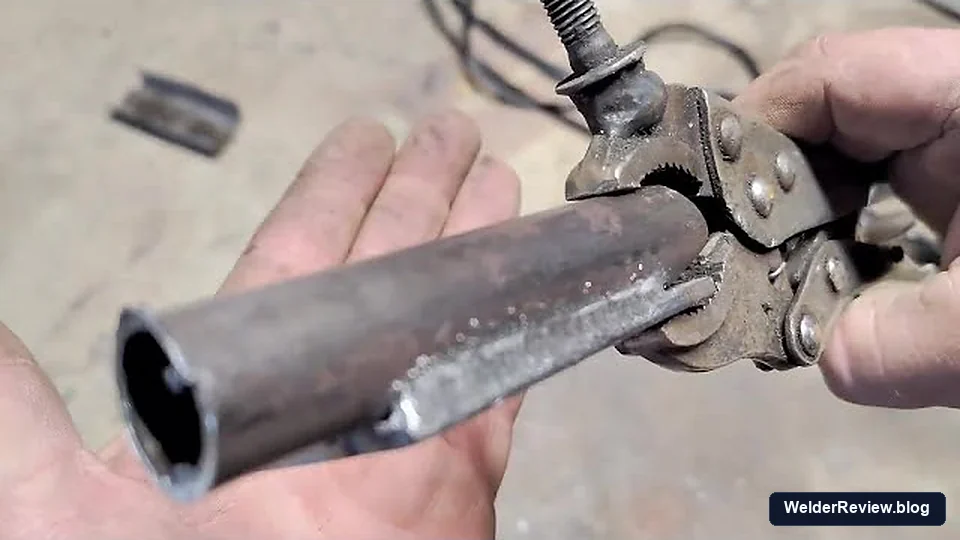
Conversely, gas metal arc systems feed a continuous solid wire through a motorized gun assembly. An external shielding gas cylinder protects the molten weld pool from atmospheric contamination during high-speed deposition.
Selecting the right starter stick welder involves evaluating constant current power sources. These robust systems dynamically adjust output voltage to maintain a stable arc length under harsh field conditions.
Wire welding relies on a constant voltage (CV) output paired with a motorized drive mechanism. This architecture feeds consumable electrode wire continuously, matching wire feed speed directly to preset arc voltage.
- Stick systems rely on internal flux coatings for arc shielding.
- Wire machines require external compressed gas cylinders for protection.
- Electrode holders contrast sharply with motorized wire feed drive rolls.
Power Source Architecture
Inverter-based power sources dominate modern stick machines, delivering stable arc control with minimal transformer weight. Duty cycles scale significantly with input amperage and internal cooling fan capacity.
Wire machines integrate sophisticated drive motor assemblies and constant-voltage output characteristics. This precise electronic regulation maintains a steady arc length despite minor hand movement variations.
- Inverter technology reduces overall stick machine weight.
- Constant voltage transformers stabilize wire feed dynamics.
Real-World Performance on Various Metals
Using a quality stick welder for beginners excels when joining thick structural steel plates with heavy mill scale or surface rust. The aggressive arc force penetrates surface contaminants effectively.
Wire welding demands pristine base metal preparation to prevent porosity and lack of fusion defects. However, it completely dominates thin sheet metal fabrication where high heat input causes severe distortion.
When joining heavy structural steel exceeding three-eighths inch, stick welding excels through deep penetration profiles. The aggressive arc energy effortlessly cuts through mill scale, rust, and heavy surface contamination without prior grinding.
Wire welding processes, particularly gas metal arc welding, dominate sheet metal fabrication under ten gauge. The precise heat input minimizes distortion while producing clean, uniform fillet welds on thin carbon steel components.
- Stick handles dirty, rusty, or painted steel surfaces easily.
- Wire requires clean metal joints to prevent internal weld porosity.
- Thin gauges warp rapidly under traditional manual stick electrodes.
Penetration and Deposition Rates
Deep joint penetration is a hallmark of shielded metal arc welding on thick structural members. Operators achieve exceptional structural integrity despite lower overall deposition speeds compared to continuous wire processes.
Continuous wire feed mechanisms deliver exceptional deposition rates for high-volume fabrication environments. Welders lay down significantly more filler metal per hour, boosting overall production shop output metrics.
- Stick provides deep root penetration on heavy plate.
- Wire maximizes filler metal deposition speeds during production.
Operational Efficiency and Utility Footprint
Operating footprints differ drastically based on auxiliary equipment requirements and workspace constraints. Choosing the proper stick welder for farm use lets operators save valuable floor space by omitting bulky gas bottles.
Wire systems demand dedicated storage space for shielding gas bottles and replacement wire spools. This added infrastructure increases mobility hurdles inside cramped fabrication shops or crowded field service trucks.
Stick welding boasts low equipment complexity but suffers from lower deposition rates due to frequent electrode changes and slag removal. Duty cycles on industrial units often exceed sixty percent at rated amperages.
Wire feed systems maximize productivity through continuous electrode delivery and minimal stub loss. However, shielding gas requirements increase your logistical footprint and demand strict wind mitigation measures on outdoor job sites.
- Stick operations avoid cumbersome gas cylinder storage needs.
- Wire setups demand secure cylinder transport and storage protocols.
- Spool changes require dedicated compartments within the wire housing.
Electrical Utility Consumption
Modern multi-process inverters optimize electrical draw across standard household and industrial input voltages. Power factor correction circuitry ensures efficient energy conversion during peak operational amperage demands.
Wire feeders draw continuous auxiliary power for drive motors alongside main welding circuit loads. Managing input breaker sizes prevents thermal overloads during prolonged high-amperage structural fabrication tasks.
- Inverter circuitry optimizes electrical power conversion efficiency.
- Drive motors add minor auxiliary electrical loads to wire systems.
Setup Complexity and Ergonomic Handling
Mastering manual arc striking requires substantial practice to minimize annoying electrode sticking and porosity issues. Operators must constantly adjust electrode angles and maintain precise arc lengths manually.
Wire processes offer remarkably gentle learning curves for novice fabricators entering commercial production environments. Pulling a trigger initiates automatic wire feed, allowing operators to focus on gun travel speed.
Setting up a stick machine requires minimal preparation beyond clamping the work lead and inserting an electrode. Operators navigate positional welding using lightweight, flexible stinger leads that reduce wrist fatigue significantly.
Wire welders demand precise calibration of drive roll tension, shielding gas flow rates, and inductance settings. The heavier gun assembly requires careful handling to prevent liner binding and erratic wire feed performance.
- Manual arc striking demands refined operator muscle memory.
- Trigger-activated wire feed simplifies initial operator training curves.
- Electrode angle consistency dictates overall stick weld bead quality.
Torch and Cable Ergonomics
Heavy electrode holders and stiff welding leads induce arm fatigue during overhead or vertical-up progression. Ergonomic rubber handles help mitigate strain during extended fabrication shifts in awkward positions.
Lightweight MIG guns connected to flexible coaxial cables reduce wrist strain significantly during long runs. Maneuvering the gun around complex joint geometries remains considerably easier than handling rigid stick cables.
- Stiff electrode leads increase fatigue during overhead welding.
- Flexible coaxial cables enhance wrist maneuverability.
Maintenance Protocols and Long-Term Reliability
Component maintenance on stick machines focuses primarily on cleaning internal dust and inspecting electrode holder jaws. Fewer mechanical moving parts translate into exceptional long-term reliability in harsh industrial environments.
Wire feeders require routine servicing of drive rolls, contact tips, and inlet guide tubes. Accumulated metallic debris inside the liner can cause erratic wire feeding if regular preventive maintenance is neglected.
Stick welding machines feature robust internal electronics with fewer moving parts, ensuring exceptional durability in harsh environments. Routine maintenance involves blowing out dust accumulation and inspecting heavy-duty copper cabling regularly.
Wire feed systems require meticulous upkeep of drive rolls, contact tips, and inlet guides to prevent birdnesting. Technicians must clean wire drive assemblies frequently to guarantee smooth, uninterrupted electrode delivery during production runs.
- Stick machines feature minimal mechanical failure points.
- Wire feeders demand regular cleaning of drive rolls and liners.
- Contact tip replacement prevents arc instability during long shifts.
Environmental Durability
Rugged exterior housings protect sensitive internal circuit boards from wind-blown debris and heavy jobsite moisture. Stick units withstand outdoor jobsite abuse far better than delicate wire feed mechanisms.
Indoor fabrication shops provide optimal environments for maintaining complex wire feeder electronics and motors. Protecting feed compartments from ambient dust preserves smooth wire delivery over extended service lives.
- Stick housings withstand harsh outdoor environmental elements easily.
- Wire feeders require sheltered indoor shop operational environments.
Environmental Resilience and Site Conditions
Outdoor field welding presents unique challenges regarding shielding gas displacement from ambient wind currents. Stick welding thrives outdoors because the solid flux coating shields the molten weld pool against gusts.
Gas-shielded wire processes struggle outdoors unless operators construct protective windbreaks around the joint. Without adequate barriers, crosswinds blow away shielding gas, causing severe porosity and brittle weld joints.
Shielded metal arc welding remains the undisputed champion for outdoor fabrication exposed to strong winds. The flux coating generates its own protective gas shield, preventing porosity defects without external wind screens.
Gas-shielded wire welding struggles outdoors because ambient breezes displace the protective shielding gas envelope. Fabricators combating coastal drafts must switch to flux-cored wires or erect heavy wind curtains around the work area.
- Flux coatings protect stick welds against strong outdoor winds.
- Ambient gusts displace external shielding gas during wire welding.
- Outdoor wire applications require flux-cored self-shielded wire alternatives.
Temperature and Weather Extremes
Extreme sub-zero temperatures test the impact toughness of welded joints and equipment electrical insulation. Preheating thick steel plates becomes mandatory for stick welding during freezing winter weather conditions.
Electronic wire feed controls can experience condensation issues when moved between cold and warm environments. Proper acclimatization prevents electrical shorts within delicate motor control boards and drive assemblies.
- Sub-zero temperatures demand preheating protocols for heavy plates.
- Condensation risks threaten electronic wire feed control boards.
Selecting the Correct Process for Your Shop
Choosing between these two primary technologies depends entirely on your specific project materials and working environment. Assessing your primary fabrication tasks ensures optimal capital investment in welding equipment.
Evaluate your shop ventilation, typical metal thicknesses, and mobility requirements before finalizing any purchase decision. Balancing these practical operational factors guarantees long-term satisfaction with your chosen welding system.
Evaluate your typical material thicknesses, joint configurations, and working environments before investing capital equipment. Heavy structural repair shops benefit immensely from the rugged versatility of stick welding systems.
High-volume production lines and automotive restoration shops achieve superior throughput using modern wire welding equipment. Balancing initial equipment costs against operational efficiency ensures long-term shop profitability and consistent weld quality.
- Match equipment capabilities directly to your typical project materials.
- Consider workspace ventilation and indoor versus outdoor operational requirements.
- Evaluate future expansion plans when selecting multi-process units.
Budget and Consumable Costs
Initial equipment acquisition costs for our chosen budget stick welder models generally remain lower than full wire setups. However, ongoing consumable expenses vary depending on specific electrode consumption rates.
High-volume production shops recoup wire machine investments rapidly through increased deposition efficiency. Balancing consumable expenses against labor savings dictates true long-term operational profitability for commercial fabricators.
- Basic stick units offer lower initial equipment acquisition costs.
- Wire efficiency offsets higher gas and consumable expenses quickly.
Frequently Asked Questions
Can a wire welder be used outdoors without a windbreak?
Standard gas-shielded wire welding fails outdoors because crosswinds disperse the shielding gas. You must use self-shielded flux-cored wire or erect reliable wind barriers for successful outdoor fabrication.
Is stick welding harder to learn than wire welding?
Yes, manual arc striking and maintaining a precise arc length demand extensive operator practice. Beginners typically master trigger-activated wire feeding much faster in commercial shop environments.
Which process is better for welding rusty or dirty steel?
Stick welding penetrates heavy mill scale and rust far better than wire processes. Selecting flux-coated electrodes eliminates extensive surface cleaning requirements on structural repair jobs.
Do wire welders require expensive shielding gas cylinders?
Gas metal arc welding requires shielding gas cylinders that incur ongoing rental or refill expenses. Alternatively, self-shielded wire eliminates external gas tanks entirely for field convenience.
Which welding machine offers better portability for remote repairs?
Stick welders provide superior portability because they omit heavy gas bottles and complex wire feeders. Compact inverter units deliver exceptional field mobility for remote structural maintenance tasks.