Stick vs Mig For Beginners: Clear Verdict
Choosing the right welding process shapes your entire metalworking journey. Compare stick and MIG systems to find your ideal beginner setup.

Choose stick welding for outdoor durability and heavy rust tolerance with maximum penetration. Opt for MIG welding for sheet metal projects and faster learning curves utilizing shielding gas.
Compare all top models in our Best Welder: Top Home Shop & Jobsite Picks Tested.
Side-by-Side Breakdown
| Criteria | Stick | Mig For Beginners | Edge |
|---|---|---|---|
| Core Design / Build | Constant current electrode holder | Constant voltage wire feeder | Mig For Beginners |
| Real-World Performance | Deep penetration on thick steel | High deposition rate on sheet metal | Stick |
| Ease of Setup & Use | Requires manual electrode striking | Trigger-activated continuous wire feed | Mig For Beginners |
| Durability & Reliability | Rugged transformer architecture | Complex motorized wire drive systems | Stick |
| Efficiency / Operating Footprint | High electrode stub loss | Continuous spool feeding efficiency | Mig For Beginners |
| Maintenance Requirements | Minimal internal cleaning needs | Regular liner and drive roll upkeep | Stick |
| Best Ideal Use Case | Heavy farm repairs and outdoor framing | Auto body work and garage fabrication | Mig For Beginners |
Introduction to Beginner Arc Physics
When starting your metal fabrication journey, understanding fundamental power delivery systems ensures safe and efficient operation across various structural steel projects, preventing costly equipment failures and substandard weld integrity.
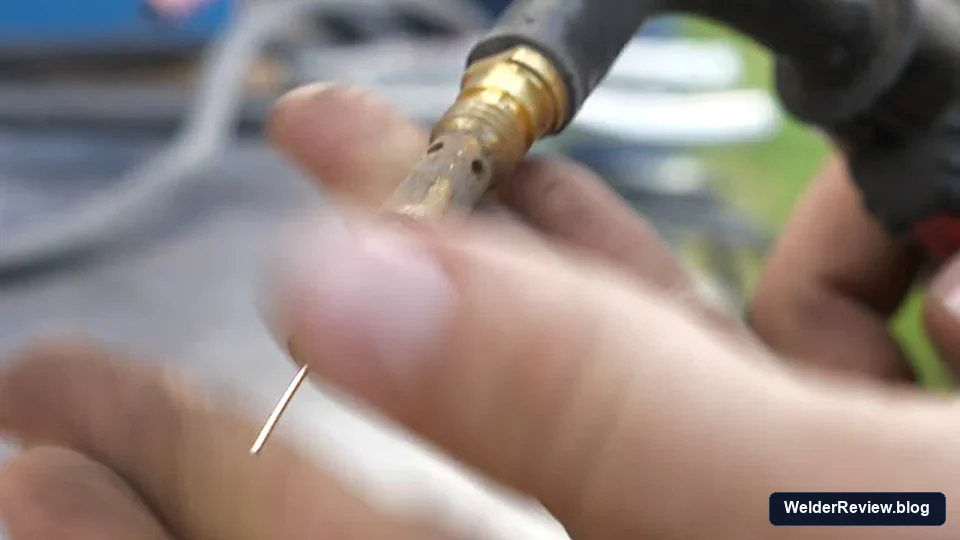
Both processes utilize electrical energy to melt base metals, but their operational mechanics differ significantly in how filler material is introduced to the molten weld pool under strict safety standards.
Selecting the correct machine requires evaluating your workspace ventilation, electrical input availability, and the specific metal thicknesses you plan to join during your initial welding practice sessions.
Understanding the fundamental physics of electric welding helps novices master arc stability quickly. Both MIG and stick processes utilize a constant voltage or constant current power source to bridge the metal gap.
Stick welding relies on a dropping voltage curve, meaning arc length fluctuations cause significant amperage shifts. Choosing the best stick welder for beginners helps learners master electrode burn-off rates to prevent stubbing the rod tip.
Conversely, MIG welding employs a self-regulating electrical system where wire feed speed dictates the actual welding current. This automation forgives minor gun distance variations, making arc initiation much smoother for uninitiated operators in training.
- Constant current versus constant voltage power sources
- Open circuit voltage and arc stability fundamentals
- Heat input management for different material gauges
Understanding Power Source Specifications
Examining duty cycles and amperage outputs helps beginners match machine capacity to real workshop demands without risking thermal overload during extended fabrication tasks.
Transformer and inverter technologies dictate overall machine portability, energy efficiency, and arc smoothness when dealing with fluctuating household or industrial power inputs.
- Amperage range limitations for standard circuits
- Duty cycle ratings at maximum output
Core Operational Mechanics and Setup
Shielded metal arc welding relies on a flux-coated electrode that creates its own protective gas shield as it burns away, eliminating external gas cylinder requirements entirely.
Metal inert gas welding feeds a continuous solid wire through a welding gun while supplying an external shielding gas bottle to protect the molten puddle from atmospheric contamination.
Proper ground clamp placement remains critical for both methods to ensure stable electrical conductivity and minimize frustrating arc interruptions during critical fabrication passes.
Setting up a machine requires precise polarity selection based on the specific electrode and shielding method used. Stick welding frequently utilizes Direct Current Electrode Positive for deep penetration on heavy structural steel plates and joints.
MIG welding typically operates on Direct Current Electrode Negative when utilizing gas-shielded solid wires. Dual-shield flux-cored variations may require reversed polarity, demanding careful attention to the machine configuration charts before striking any arcs.
Gas flow regulation is another critical setup parameter unique to MIG operations involving external shielding bottles. Maintaining a steady argon carbon dioxide blend at roughly twenty cubic feet per hour ensures complete atmospheric weld puddle protection.
- Electrode holder and stinger cable maintenance
- Wire feed tensioner adjustment and spool loading
- Shielding gas regulator flow rate calibration
Initial Configuration and Calibration
Setting correct polarity depends entirely on your chosen electrode type or wire selection, directly affecting penetration profiles and spatter levels across joints.
Operating the best welder for beginners requires you to verify contact tip condition and drive roll grooves regularly. This prevents birdnesting and maintains smooth, consistent wire delivery during active fabrication work.
- DCEN versus DCEP polarity selection rules
- Drive roll tension testing procedures
Performance Across Various Metal Thicknesses
Tackling heavy structural plates demands the deep thermal penetration characteristic of manual electrode machines, especially when working outdoors in windy environmental conditions.
Thin automotive sheet metal quickly warps under intense localized heat, making the adjustable voltage settings of wire-feed systems vastly superior for precision bodywork.
Joint preparation requirements also vary widely, as flux-covered rods tolerate rusty surfaces while wire processes demand clean, mill-scale-free joint interfaces for sound fusion.
Selecting the correct process depends heavily on the baseline material gauge and joint preparation requirements. Stick welding excels on thick, rusty, or mill scale surfaces because the heavy flux coating cleans contaminants during puddle formation.
Beginners tackling thin sheet metal will find the best gasless mig welder for beginners far more forgiving. Continuous wire feed allows lower heat input settings, reducing the risk of burn-through on delicate body panels.
Structural fabrication involving heavy plates exceeding quarter-inch thickness favors stick electrodes like E7018. These low-hydrogen rods provide superior tensile strength and impact resistance, meeting stringent AWS structural steel welding codes reliably.
- Penetration depth on structural carbon steel
- Heat distortion management on thin sheet metals
- Tolerance for dirty or rusted metal surfaces
Material Compatibility and Limitations
Aluminum fabrication requires specialized spool guns or AC capabilities that typical entry-level machines rarely provide without costly secondary equipment upgrades.
Stainless steel welding is achievable with both processes provided you select the appropriate consumable matching your base metal alloy composition precisely.
- Aluminum welding hardware requirements
- Stainless steel consumable selection guidelines
Usability and Learning Curve for Novices
Mastering arc strike technique and maintaining exact arc length manually frustrates operators using the best welding machine for beginners during their first weeks behind a protective electrode holder helmet.
Conversely, wire-feed systems allow new operators to produce acceptable bead profiles almost immediately by simply pulling a trigger and maintaining a steady gun travel speed.
Hand-eye coordination requirements differ significantly, requiring patience and structured practice drills regardless of which welding style you ultimately choose to master.
The initial learning curve represents a major hurdle for individuals entering the metal fabrication trade. Stick welding demands excellent hand-eye coordination to maintain a tight arc gap while the consumable electrode continuously shortens.
MIG operations feel more intuitive initially because the machine manages wire feed speed automatically. Operators simply concentrate on travel speed and gun angle, achieving acceptable weld beads much faster during introductory shop sessions.
However, novice welders often develop a false sense of security with MIG, leading to cold lap defects. Proper training must emphasize joint preparation and penetration verification to ensure structural integrity regardless of process ease.
- Arc strike techniques and electrode sticking prevention
- Gun angle, stickout, and travel speed control
- Visual weld pool reading and puddle manipulation
Overcoming Common Beginner Obstacles
Porosity and undercut issues often plague new welders until they learn proper cleaning habits and correct travel angle positioning.
Consistent practice on scrap coupons builds muscle memory and confidence before attempting load-bearing structural fabrication projects in the shop.
- Identifying porosity causes in weld beads
- Correcting travel speed to avoid cold lap
Operating Environment and Portability
Field repairs demand equipment that resists harsh weather conditions, making traditional heavy-duty electrode machines the preferred choice for outdoor agricultural maintenance.
Workshop environments with controlled airflow favor gas-shielded wire systems because wind drafts easily blow away shielding gases and create porous welds.
Weight and footprint considerations determine whether you can easily transport your welding gear to remote job sites without straining your back or vehicle.
Environmental conditions heavily influence which welding process is practical for field repairs or outdoor projects. Stick welding is the undisputed champion for windy outdoor jobs because the flux creates a gaseous shield immune to breezes.
MIG welding relies heavily on external shielding gas bottles, making outdoor operations extremely difficult during windy days. Even slight gusts displace the protective gas envelope, resulting in severe porosity and brittle weld joints instantly.
For indoor fabrication shops with controlled airflow, MIG offers unmatched convenience and efficiency. Compact inverter-based multi-process machines enhance overall shop portability, allowing technicians to move heavy equipment between workstations with minimal physical strain.
- Wind interference effects on gas shielding
- Machine weight and jobsite mobility factors
- Indoor ventilation and fume extraction needs
Workspace Preparation and Safety
Adequate ventilation prevents toxic fume accumulation during prolonged welding sessions inside enclosed garage spaces or personal workshops.
Fire blankets, leather welding jackets, and auto-darkening helmets protect operators from intense ultraviolet radiation and flying hot sparks.
- Personal protective equipment safety standards
- Workspace fire hazard mitigation steps
Maintenance, Consumables, and Long-Term Value
Owning an electrode machine involves minimal upkeep since there are no internal motorized wire drives, rollers, or delicate gun liners to replace periodically.
Wire-feed setups require regular consumable replacements, including contact tips, nozzles, and drive rolls, to prevent erratic wire feeding and electrical resistance issues.
Calculating total ownership expenses should include the recurring cost of shielding gas tank rentals, replacement wire spools, and protective anti-spatter sprays.
Routine upkeep preserves equipment longevity and ensures consistent performance across demanding industrial or hobbyist applications. MIG setups require regular inspection of contact tips and drive rolls to prevent erratic wire feeding issues over time.
Stick welders have fewer wear items, relying primarily on electrode holders and heavy-duty ground clamps. Maintaining clean connections prevents resistance heating, which protects internal transformer components from thermal overload during extended welding sessions.
Consumable storage is another vital factor influencing long-term operational costs and weld quality standards. Low-hydrogen stick electrodes require specialized electrode storage ovens to prevent moisture absorption, whereas MIG wire requires dry ambient conditions.
- Electrode storage and moisture prevention methods
- Contact tip and nozzle replacement schedules
- Shielding gas cylinder rental and refill economics
Preventative Equipment Care Routines
Blowing out accumulated metal dust from internal circuit boards with compressed air prevents electrical shorts and extends machine lifespan significantly.
Inspecting power cords and welding cables for insulation cracks ensures safe operation and prevents dangerous electrical shock hazards in the shop.
- Compressed air cleaning intervals for internals
- Cable insulation inspection best practices
Frequently Asked Questions
Which welding process is truly easier for absolute beginners to learn?
Wire-feed systems offer a much gentler learning curve because they automate filler metal delivery through a simple trigger mechanism. This allows new operators to achieve acceptable weld beads much faster than manual electrode techniques.
Can I weld outdoors in windy conditions without ruining my welds?
Manual electrode welding handles outdoor drafts exceptionally well because the flux coating generates its own protective gas shield. Gas-shielded wire processes struggle outdoors unless you erect wind barriers or switch to flux-cored self-shielding wire.
Do I need a 230V outlet to run a beginner welding machine?
Many modern entry-level machines operate effectively on standard 115V household circuits while offering dual-voltage capability. However, tackling thicker steel plates requires upgrading to a dedicated 230V input for adequate power delivery.
What maintenance does a wire-feed system require compared to an electrode setup?
Wire-feed units demand regular cleaning and replacement of contact tips, drive rolls, and gun liners to prevent feeding jams. In contrast, manual electrode machines feature virtually zero internal maintenance requirements beyond basic dust removal.
Is safety equipment different between these two distinct welding methods?
Both processes require standard personal protective equipment, including auto-darkening helmets, leather gloves, and flame-retardant jackets. However, wire-shielded processes also demand careful monitoring of compressed gas cylinders in enclosed workspaces.