Multimatic 220 vs Syncrowave 210: Technical Comparison
Choosing between these advanced Miller machines requires evaluating process versatility versus specialized TIG control. This technical guide breaks down their core capabilities for your shop.

Choose the Multimatic 220 for multi-process mobility and automated parameter setup across MIG, TIG, and stick. Select the Syncrowave 210 if your primary focus is dedicated, high-frequency TIG precision on aluminum and steel.
Compare all top models in our Best Welder: Top Home Shop & Jobsite Picks Tested.
Side-by-Side Breakdown
| Criteria | Multimatic 220 | Syncrowave 210 | Edge |
|---|---|---|---|
| Core Design / Build | Multi-process inverter architecture | Dedicated TIG-first inverter platform | Multimatic 220 |
| Real-World Performance | Excels in portable multi-process tasks | Superior AC/DC TIG arc stability | Syncrowave 210 |
| Ease of Setup & Use | Advanced Auto-Set Elite technology | Pro-Set simplified TIG controls | Multimatic 220 |
| Durability & Reliability | Industrial case with dual gas valves | Robust cabinet built for heavy TIG use | Tie |
| Efficiency / Operating Footprint | Multi-voltage plug adaptability | Optimized power factor correction drawing | Multimatic 220 |
| Maintenance Requirements | Routine multi-drive roll servicing | Periodic torch cooler and high-frequency upkeep | Syncrowave 210 |
| Best Ideal Use Case | Mobile fabrication and repair shops | Precision motorsports and artistic metalwork | Split Choice |
Core Design and Engineering Differences
Engineering philosophies diverge significantly between these two popular Miller models. Read our detailed miller multimatic 220 review to understand how it integrates MIG, TIG, and stick into a single portable housing.
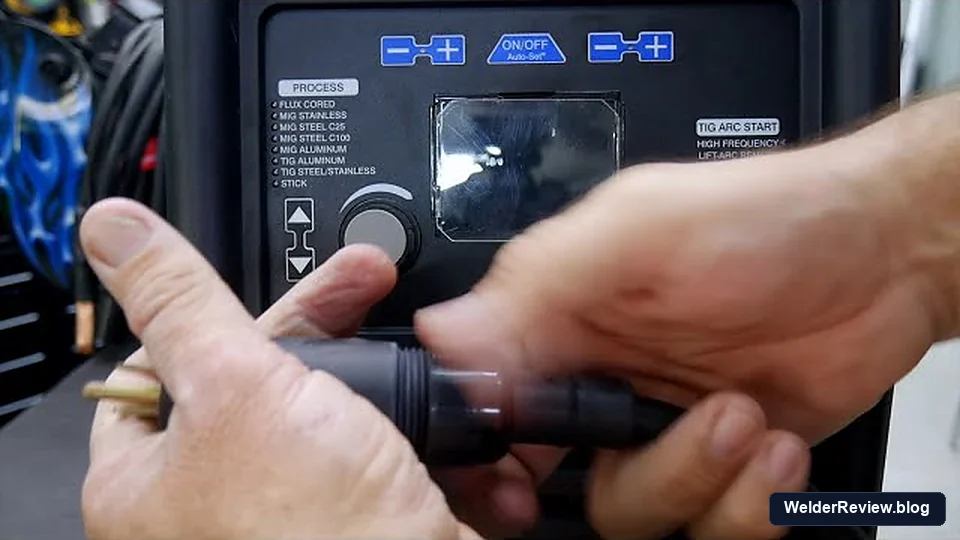
Internal inverter architecture dictates how each machine handles input power. Multi-voltage capabilities allow seamless transitions between standard household circuits and heavy industrial lines without manual rewiring steps.
- Multimatic 220 utilizes a dual-gas solenoid system for instant switching.
- Syncrowave 210 features a dedicated inverter optimized for clean aluminum AC cleaning.
- Both models incorporate advanced thermal overload protection circuits for extended duty cycles.
Power Delivery and Inverter Architecture
Modern power sources rely on high-frequency inverters to reduce weight while maximizing output. This technological shift enables precise arc control and rapid adjustments during transient welding conditions.
Voltage sensing technology automatically detects incoming power feeds. Operators can plug into diverse job site environments without risking internal component damage from incorrect voltage selections.
- Inverter design drops total machine weight significantly below older transformer units.
- Smart power regulation prevents nuisance tripping on shared electrical breakers.
Housing and Physical Footprint Layouts
Physical dimensions dictate workshop mobility and storage convenience. The multi-process unit houses internal wire feed mechanisms, whereas the TIG-focused machine leaves that space empty for cleaner circuitry layout.
Ergonomic handle placement helps technicians maneuver the equipment around crowded fabrication floors. Durable composite panels protect internal components from accidental impacts and rough job site handling.
- Robust outer shells withstand harsh weather conditions during outdoor repair operations.
- Compact footprints free up valuable workbench space in small fabrication studios.
Real-World Performance Comparison
Putting these machines to the test reveals distinct operational strengths. For instance, our miller syncrowave 210 review highlights how this dedicated unit shines on thin-gauge aluminum projects with advanced AC output.
Arc initiation differs based on the active welding process. High-frequency start on the dedicated TIG machine ensures tungsten preservation, whereas lift-arc technology provides reliable non-contaminating starts.
- Multimatic 220 achieves excellent penetration profiles across various carbon steel thicknesses.
- Syncrowave 210 provides superior bead aesthetics on critical aluminum assemblies.
- Both systems maintain stable arcs despite minor fluctuations in line voltage.
MIG and Flux-Cored Operation Benchmarks
Wire feeding consistency remains paramount for structural integrity. Precision drive rolls push solid or flux-cored wire smoothly through standard gun assemblies without inducing bird-nesting issues.
Synergic parameter control adjusts voltage automatically as wire feed speed changes. This simplifies operation for apprentices while maintaining high deposition rates for experienced fabricators.
- Stable arc dynamics minimize spatter generation during standard carbon steel runs.
- Quick-change drive rolls accommodate different wire diameters in seconds.
TIG Precision and Aluminum Capabilities
Aluminum welding demands refined AC balance and frequency controls. The dedicated TIG platform allows precise cleaning action adjustments to remove stubborn oxide layers effectively.
Foot pedal responsiveness gives operators complete puddle control during intricate root passes. High-frequency arc stabilization prevents tungsten fouling throughout extended welding sessions.
- Advanced AC waveforms reduce noise levels during heavy aluminum fabrication tasks.
- Precise amperage fine-tuning protects razor-thin materials from burn-through damage.
Ease of Setup and User Interface
Minimizing downtime through intuitive controls boosts daily shop productivity. As noted in our miller multimatic 220 ac dc review, the digital color screen guides users through multi-step parameter selections effortlessly.
Simplifying complex metallurgy variables allows operators to focus on torch angle and travel speed. Preset parameters give reliable starting points that professionals can tweak manually.
- Auto-Set Elite technology removes guesswork from initial machine configuration steps.
- Clear digital displays remain readable under bright overhead workshop lighting.
- Logical menu structures prevent deep navigation loops during critical projects.
Auto-Set Elite Versus Pro-Set Controls
Automated setup aids eliminate tedious calculations for joint thickness and wire size. Operators simply input material parameters, and the system calculates optimal amperage and voltage automatically.
Pro-Set technology locks in pre-determined professional settings for common applications. This removes trial-and-error adjustments when transitioning between dissimilar metal thicknesses.
- Saved memory slots let operators recall favorite custom parameters instantly.
- Manual override features give advanced users total control over arc characteristics.
Torch Connectivity and Gas Management
Quick-connect torch receptacles speed up process changes significantly. Dual gas solenoids route shielding gas automatically depending on the selected active welding mode.
Eliminating manual hose swaps saves valuable minutes during fast-paced fabrication schedules. Internal regulators maintain steady shielding gas coverage without pressure drop fluctuations.
- Secure locking fittings prevent accidental gas leaks during operation.
- Dedicated purging functions clear air pockets before starting critical welds.
Maintenance, Efficiency and Longevity
Long-term reliability depends on proactive upkeep and robust component engineering. Regular inspections of contact tips, drive rolls, and torch consumables ensure consistent welding output over years of service.
Power efficiency metrics show favorable draw ratings under heavy industrial loads. Smart cooling fans operate only when internal temperatures demand airflow, reducing dust ingestion.
- Sealed internal electronics resist conductive metal dust accumulation.
- Modular replacement parts simplify out-of-warranty service procedures.
- Durable wire feed motors withstand high-duty cycle production demands.
Consumable Wear and Replacement Schedules
Routine cleaning prevents premature degradation of torch liners and contact tips. Keeping spares organized reduces unexpected downtime during important client deadlines.
Tungsten electrode preparation dictates arc stability during delicate TIG projects. According to our miller syncrowave 210 tig welder review, proper grinding techniques prevent tungsten contamination and extend electrode lifespan considerably.
- Standardized consumable sizes reduce overall shop inventory costs.
- Quick-release collet bodies speed up tungsten swaps in the field.
Thermal Management and Fan Operation
Heat dissipation systems protect sensitive microprocessors from thermal stress damage. Variable speed fans adjust airflow dynamically based on actual internal operating temperatures.
Reducing unnecessary fan operation minimizes airborne debris intake inside the chassis. This engineering choice extends overall circuit board lifespan in dirty environments.
- Thermal overload indicators warn operators before permanent damage occurs.
- Optimized heat sinks maintain safe operating thresholds during peak loads.
Ergonomics, Portability and Workplace Safety
Operator comfort directly influences weld quality and daily fatigue levels. Balanced torch weights and flexible cable assemblies reduce wrist strain during long overhead fabrication sessions.
Safety interlocks protect users from accidental electrical shock during consumable changes. Proper grounding practices remain essential for maintaining a hazard-free workshop environment.
- Ergonomic torch handles improve grip security in oily manufacturing settings.
- Integrated carrying handles facilitate safe team lifts on crowded job sites.
- Clear warning labels highlight important electrical safety precautions.
Weight Distribution and Job Site Mobility
Transporting equipment between remote locations requires manageable physical dimensions. Both units fit comfortably inside standard service trucks without sacrificing protective housing strength.
Optional running gear packages allow single-operator mobility across uneven gravel lots. Secure cylinder racks prevent compressed gas bottles from tipping over during transit.
- Balanced center of gravity prevents tipping when climbing stairs.
- Sturdy tie-down points secure the chassis inside enclosed transport trailers.
Electrical Safety and Arc Radiation Controls
Shielding operators from high-frequency voltage requires robust insulation standards. Built-in contactors ensure circuits remain de-energized until the trigger is intentionally depressed.
Proper PPE pairing protects exposed skin from intense ultraviolet arc radiation. Auto-darkening helmets complement machine safety features during rapid production runs.
- Voltage reduction devices lower open-circuit voltage during idle periods.
- Flame-retardant welding blankets safeguard surrounding shop infrastructure.
Accessory Ecosystem and Upgrade Paths
Investing in expandable equipment ecosystems protects your initial capital expenditure. A wide range of compatible spool guns, foot pedals, and torches enhances machine utility over time.
Upgrading standard components helps transition these power sources into specialized fabrication roles. Evaluating available accessories ensures your setup grows alongside business requirements.
- Spool gun compatibility expands aluminum MIG fabrication possibilities.
- Remote amperage controls improve precision during complex TIG weld joints.
- Hose extension kits increase working radius around stationary workbench stations.
Spool Guns and Wire Feed Enhancements
Feeding soft aluminum wire requires specialized spool gun attachments. Direct plug-in connections eliminate feeding friction over long torch cable distances effortlessly.
Adjustable drive tension prevents crushing fragile wires during high-speed applications. This accessory turns a standard multi-process machine into an aluminum specialist.
- Transparent covers let operators monitor remaining wire supply levels.
- Lightweight designs reduce arm fatigue during extended vertical climbs.
Foot Controls and Remote Amperage Options
Precise heat modulation requires responsive remote foot pedal accessories. Wireless options eliminate tangled cords across busy shop floors for improved safety.
Finger-tip control torches offer alternative solutions for positional pipe welding. These upgrades maximize versatility across specialized industrial fabrication contracts.
- Heavy-duty pedal construction withstands accidental impacts in the shop.
- Smooth potentiometer response eliminates sudden amperage jumps during welding.
Which Option Fits Your Specific Shop Setup
Selecting the correct machine hinges on evaluating your primary daily workloads. Repair shops needing fast process switches benefit most from multi-process versatility.
Dedicated metal art studios and aerospace contractors will appreciate specialized TIG control. Matching equipment capabilities to project demands guarantees long-term operational satisfaction.
- Analyze your typical metal thicknesses before finalizing equipment purchases.
- Consider future contract expansions requiring new welding processes.
- Factor in available shop electrical service limitations when deciding.
Mobile Repair Versus Stationary Fabrication
Mobile service technicians require adaptable machines handling unexpected repair materials. Multi-process units eliminate the need to pack multiple dedicated power sources.
Stationary manufacturing cells thrive with specialized equipment delivering maximum duty cycles. Dedicated systems reduce setup friction during repetitive production runs.
- Service trucks benefit from compact multi-process weight savings.
- Production lines demand rugged duty cycles for continuous output.
Budgetary Planning and Long-Term Value
Initial purchase costs represent only one factor in machinery investment. Factoring in accessory bundles and consumable longevity reveals true operational value.
Reliable equipment minimizes costly project delays caused by unexpected equipment failure. Choosing established brand platforms ensures prompt parts availability when needed.
- Quality power sources retain higher resale value over time.
- Warranty coverage offers peace of mind for critical commercial operations.
Frequently Asked Questions
Can the Multimatic 220 weld aluminum effectively using MIG?
Yes, it supports aluminum MIG welding when paired with an optional spool gun attachment. This setup allows smooth wire feeding without bird-nesting issues.
Does the Syncrowave 210 require a dedicated 230V power circuit?
It operates on multi-voltage inputs, but maximum output requires a dedicated 230V circuit. Lower voltage inputs will limit maximum amperage output during heavy tasks.
What shielding gas is best for general steel fabrication?
A standard blend of seventy-five percent argon and twenty-five percent carbon dioxide works best. This mixture ensures stable arcs and minimal spatter.
Are high-frequency starts included on the Multimatic 220 TIG mode?
No, it utilizes Lift-Arc technology rather than high-frequency start for TIG welding. This prevents electromagnetic interference while avoiding tungsten contamination.
How often should internal components be cleared of dust?
Inspect and blow out internal dust every six months using dry compressed air. This prevents overheating and extends overall electrical component lifespan.