MMA Welding vs TIG: Engineering Trade-Offs
Shielded metal arc welding relies on a consumable electrode, whereas tungsten inert gas requires an external shielding gas. Understanding their foundational differences ensures proper workshop selection.

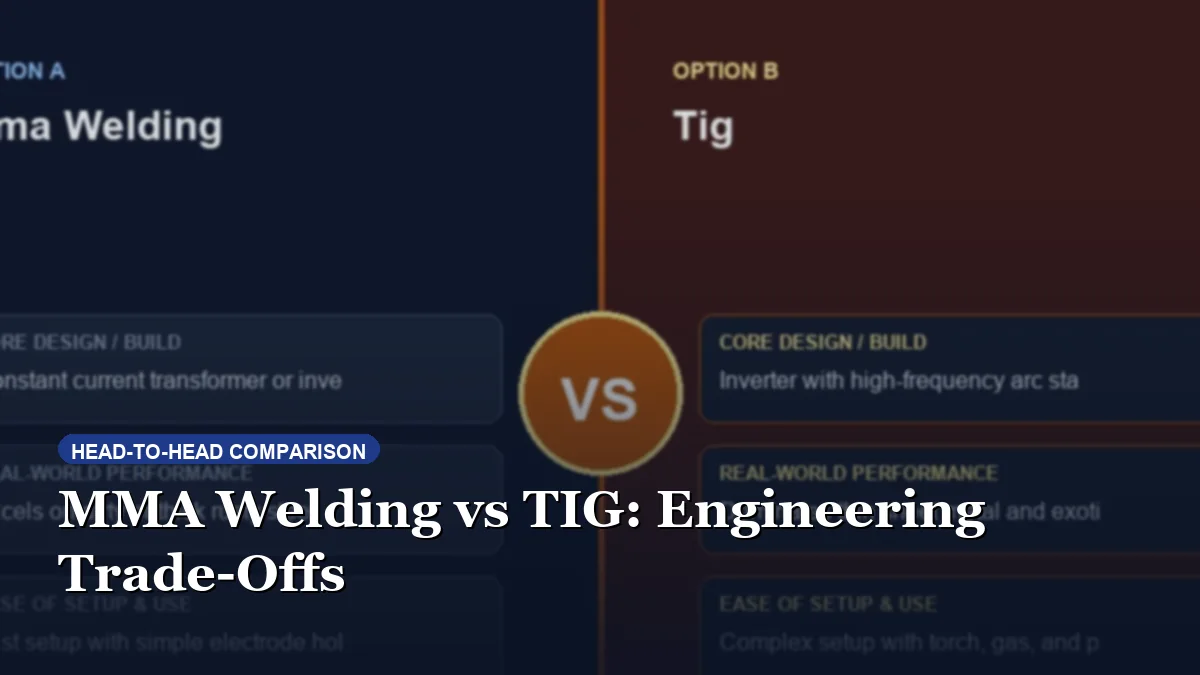
Choose MMA welding for heavy structural outdoor maintenance where portability matters. Select TIG welding for precision indoor fabrication requiring clean, X-ray quality alloy joints.
Compare all top models in our Best Welder: Top Home Shop & Jobsite Picks Tested.
Side-by-Side Breakdown
| Criteria | Mma Welding | Tig | Edge |
|---|---|---|---|
| Core Design / Build | Constant current transformer or inverter | Inverter with high-frequency arc start | TIG |
| Real-World Performance | Excels on dirty or thick rusty steel | Dominates thin sheet metal and exotic alloys | Tie |
| Ease of Setup & Use | Fast setup with simple electrode holders | Complex setup with torch, gas, and pedals | MMA Welding |
| Durability & Reliability | Rugged build handles harsh job sites | Sensitive electronics require clean environments | MMA Welding |
| Efficiency / Operating Footprint | Higher slag loss and lower deposition rates | Precise filler addition with zero slag | TIG |
| Maintenance Requirements | Minimal maintenance outside cable checks | Frequent torch collet and tungsten upkeep | MMA Welding |
| Best Ideal Use Case | Structural field construction and repairs | Aerospace, motorsport, and artistic piping | Tie |
Core Design and Engineering Differences
Evaluating structural welding systems demands a close look at internal architecture. Circuit topologies dictate how current flows from the primary input to the welding arc, influencing overall machine duty cycles and stability.
Manual metal arc machines utilize drooping characteristic power sources. This design maintains stable amperage output despite minor arc length fluctuations caused by operator hand movement during the welding process.
- Inverter architectures reduce physical equipment weight drastically.
- Transformer designs offer unmatched long-term rugged jobsite durability.
- Drooping voltage curves compensate for variable human hand stability.
Power Source Architecture
Modern power electronics have transformed portable welding equipment. Engineers leverage high-frequency switching to shrink transformer sizes while maintaining robust output currents, similar to capabilities highlighted in our dedicated power source review.
In contrast, tungsten inert gas setups require sophisticated high-frequency arc starters. These specialized circuits initiate the arc without direct metal contact, preserving delicate tungsten points during critical joins.
- High-frequency points eliminate tungsten contamination risks.
- Pulse frequency modulation controls localized heat input precisely.
Electrode and Torch Mechanics
Manual metal arc systems channel electrical current directly through a consumable flux-coated electrode. The rod serves as both the electrical conductor and the filler metal deposited into the joint.
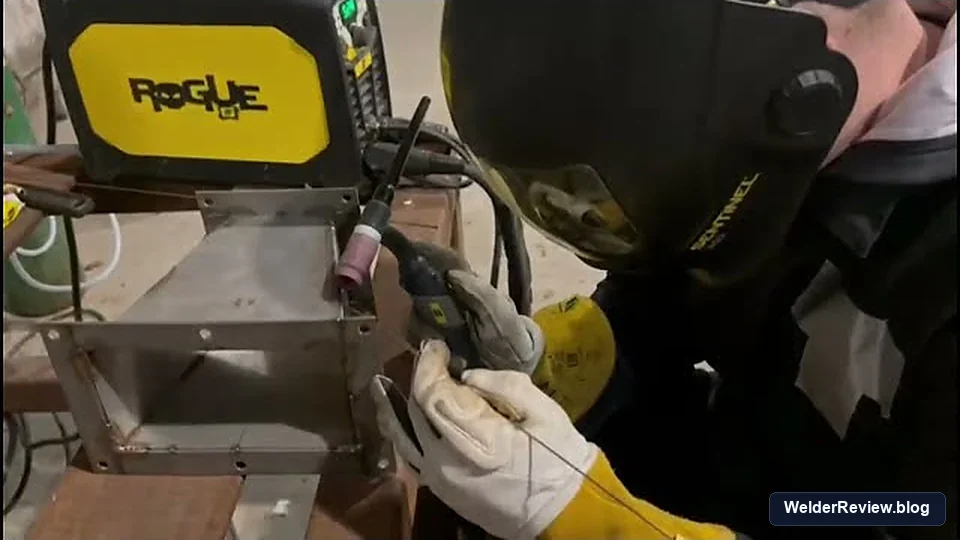
Tungsten inert gas torches isolate the non-consumable electrode from the filler material. Operators feed separate filler rods into the weld puddle manually while managing a foot pedal for amperage control.
- Consumable flux eliminates external gas cylinder requirements entirely.
- Non-consumable tungsten allows independent control over filler metal volume.
Arc Physics and Power Source Dynamics
Understanding arc physics clarifies why these two processes behave differently under load. Voltage gradients across the arc column determine heat distribution, penetration profiles, and overall puddle fluidity.
Shielded metal arc systems generate intense localized heat through a concentrated plasma column. The burning flux coating creates expanding gases that shield the molten pool from atmospheric contamination effectively.
- Plasma column constriction increases deep root penetration capabilities.
- Gaseous shielding shields molten droplets during metal transfer stages.
- Voltage drops across the arc govern overall thermal efficiency.
Voltage and Amperage Profiles
Constant current power sources respond instantly to arc voltage changes. When an operator pulls the electrode away, voltage spikes slightly while amperage drops to maintain arc stability.
TIG power supplies prioritize stable arc characteristics across extremely low amperages. This capability prevents burn-through when joining ultra-thin sheet metals or delicate aerospace grade aluminum components.
- Low amperage stability enables welding of foil-thin materials.
- Dynamic voltage response prevents sudden electrode sticking issues.
Polarity and Heat Distribution
Selecting correct electrical polarity dictates thermal distribution between the base material and the electrode. Direct current electrode positive concentrates two-thirds of total arc heat into the workpiece.
Alternating current settings provide a necessary cleaning action on aluminum oxides while balancing thermal load on the tungsten electrode. Following proper tungsten preparation steps ensures stable arcs during extended welding sessions.
- Electrode positive configuration maximizes joint penetration depth.
- Alternating current clears tenacious oxide layers from aluminum surfaces.
Consumables and Shielding Mechanisms
Protecting molten weld pools from atmospheric oxygen and nitrogen prevents catastrophic embrittlement. Both welding methodologies achieve this goal through entirely different physical and chemical shielding approaches.
Manual metal arc consumables rely on complex flux formulations baked onto steel core wires. These coatings decompose in the arc, generating protective carbon dioxide gas and slag coverings.
- Flux coatings generate protective gas blankets automatically.
- Slag layers insulate cooling metal to prevent rapid microstructural transformation.
- Inert gases eliminate post-weld slag cleanup requirements completely.
Flux Chemistry versus Inert Gases
Shielded metal arc electrodes contain deoxidizers that scavenge impurities directly from the molten puddle. This chemical cleansing action allows sound welds even on heavily rusted or contaminated structural steel.
TIG welding demands chemically pure argon or helium shielding gases delivered through dedicated regulators. Choosing the ideal gas cup prevents surface contamination and protects the delicate tungsten tip from rapid degradation.
- Chemical scavengers neutralize rust and mill scale effectively.
- Inert shielding gases preserve pristine metallurgical purity in joints.
Consumable Handling and Storage
Low hydrogen electrodes require strict storage protocols inside heated ovens. Moisture absorption within the flux coating causes severe hydrogen-induced cracking in high-strength structural steel assemblies.
Tungsten electrodes demand careful grinding to precise tip geometries. Improper longitudinal grinding marks disrupt gas coverage and destabilize the welding arc during precision manufacturing tasks.
- Heated ovens prevent moisture absorption in hydrogen rods.
- Longitudinal grinding ensures stable gas coverage around tungsten tips.
Real-World Performance and Joint Integrity
Jobsite conditions often dictate which welding process delivers superior structural integrity. Field environments expose equipment to severe weather and rough handling, requiring dependable hardware comparable to high-performance aluminum welders deployed in workshops.
Manual metal arc welding dominates outdoor structural construction sites. The heavy flux shield resists moderate crosswinds that would otherwise blow away fragile external shielding gases instantly.
- Robust flux shielding withstands outdoor jobsite wind interference.
- Deep penetration profiles bridge imperfect joint fitting tolerances easily.
- X-ray quality X-joints demand controlled indoor environmental conditions.
Field Versus Workshop Environments
Field repairs on heavy equipment machinery require maximum mobility and ruggedness. Stick welders perform reliably when dragged across muddy terrain and plugged into remote engine generators.
Workshop fabrication shops favor stationary TIG setups for high-precision assemblies. Clean indoor environments protect delicate gas delivery systems and allow meticulous fit-up of complex joints.
- Engine-driven generators power stick welders in remote locations.
- Clean workshops optimize high-precision TIG fabrication workflows.
Metallurgical Outcomes and Testing
Destructive and non-destructive testing reveals distinct performance characteristics. Stick welds offer high tensile strength suited for heavy load-bearing structural steel beams and bridge frames.
TIG welds deliver superior ductility and corrosion resistance in stainless steel pipe systems. The absence of slag inclusions ensures smooth radiographic inspection results for pressure vessels.
- Tensile strength matches demanding structural engineering specifications.
- Slag-free fusion zones pass rigorous radiographic NDT testing.
Efficiency, Footprint and Operating Costs
Economic efficiency influences equipment selection across commercial fabrication businesses. Evaluating consumable costs, deposition rates, and setup times helps optimize overall operational profitability.
Stick welding suffers from lower deposition efficiency due to stub loss and slag generation. Operators must frequently stop to chip away slag and swap out depleted electrode remnants.
- Stub losses reduce overall electrode metal deposition efficiency.
- Slag removal consumes valuable billable fabrication labor hours.
- Filler wire addition maximizes metal deposition speed continuously.
Deposition Rates and Labor
Balancing speed with weld quality determines overall production throughput. While stick welding is fast for heavy structural passes, post-weld cleanup adds significant labor overhead to projects.
TIG welding trades raw travel speed for ultimate joint cleanliness. Eliminating secondary grinding and slag chipping operations streamlines multi-pass fabrication schedules significantly.
- Secondary grinding operations increase total project labor costs.
- Clean weld beads reduce post-processing finishing time requirements.
Consumable and Gas Expenses
Running a TIG station involves recurring expenses for high-purity shielding gases and precise tungsten rods. Gas cylinder rentals and delivery fees add up quickly over extended production runs.
Stick welding requires minimal ancillary equipment investment outside standard electrode boxes. Storing electrodes properly requires minimal capital expenditure compared to pressurized gas management systems.
- Shielding gas cylinder rentals create ongoing operational expenses.
- Electrode boxes provide low-cost consumables for immediate use.
Maintenance, Reliability and Longevity
Equipment reliability dictates long-term workshop productivity and maintenance budgets. Complex electronic control boards require protective housing against conductive metallic dust and workshop debris.
Stick welding machines feature simpler electrical topologies that withstand harsh jobsite abuse. Their durable internal components survive thermal cycling and rough transportation without failure.
- Rugged transformer circuits withstand harsh industrial drop impacts.
- Complex inverter pcbs demand clean, dust-free operating environments.
- Torch maintenance prevents erratic arc performance during welding.
Routine Hardware Upkeep
Maintaining welding equipment prevents unexpected downtime during critical jobs. Stick electrode holders and heavy ground clamps require periodic replacement due to mechanical wear and arc pitting.
TIG torches demand frequent inspection of collet bodies, ceramic cups, and back caps. Keeping gas lenses clean ensures laminar shielding gas flow across the molten puddle.
- Electrode holders require periodic replacement for secure grip.
- Gas lens cleaning preserves laminar shielding gas coverage.
Preventative Electrical Checks
Scheduled internal inspections protect sensitive electronic components from premature failure. Technicians should blow out accumulated metallic dust from cooling fans and heat sinks regularly.
Checking input power cords for fraying prevents hazardous electrical shorts. Ensuring secure terminal connections avoids voltage drops that degrade overall welding machine performance.
- Cooling fan cleaning prevents damaging thermal overload shutdowns.
- Terminal connection checks eliminate dangerous electrical resistance points.
Which Option Fits Your Shop Setup
Choosing between these technologies depends entirely on your specific fabrication needs. Assessing material thicknesses, joint configurations, and working environments points toward the correct investment decision.
Invest in manual metal arc equipment if your work involves heavy structural steel repairs outdoors. The process handles rusty materials effortlessly and requires minimal setup complexity.
- Outdoor structural repairs favor rugged stick welding systems.
- Precision thin-gauge sheet fabrication demands dedicated TIG setups.
- Budget constraints often favor versatile, low-overhead stick machines.
Matching Process to Project Scope
Analyzing typical project requirements prevents costly equipment mismatch errors. Heavy fabrication yards benefit from the sheer deposition power and portability of stick welding machines.
Artistic metal studios, aerospace contractors, and custom automotive shops require the surgical precision of TIG systems. Clean, high-integrity welds justify the steeper learning curve.
- Heavy fabrication yards require high-amperage structural penetration.
- Automotive custom shops rely on precise heat control.
Skill Acquisition and Training
Mastering manual metal arc welding requires developing steady hand-eye coordination. Operators learn to shorten the arc gap smoothly as the consumable electrode burns down continuously.
TIG welding demands simultaneous two-handed coordination alongside foot pedal operation. Achieving proficiency takes dedicated practice but yields unmatched aesthetic weld quality.
- Electrode burn-off management requires consistent hand feeding.
- Two-handed coordination builds advanced precision fabrication skills.
Frequently Asked Questions
Can I weld aluminum using standard MMA equipment?
Specialized aluminum stick electrodes exist, but results are generally poor compared to TIG. TIG welding provides the superior AC cleaning action needed for quality aluminum joints.
Why is TIG welding considered much harder to learn?
Operators must coordinate both hands simultaneously while managing a foot pedal for amperage. This intricate dexterity makes TIG proficiency take significantly longer to master.
Does MMA welding require external shielding gas tanks?
No, stick welding utilizes a flux coating that melts to create protective gases. This built-in shielding makes MMA equipment ideal for windy outdoor job sites.
What is the primary cause of porous TIG welds?
Porosity usually stems from inadequate shielding gas coverage or contaminated base metals. Ensuring proper argon flow rates prevents atmospheric oxygen from ruining the puddle.
Can stick welding be performed on thin sheet metal?
Welding thin sheet metal with a stick welder risks immediate burn-through. Thin automotive panels are better suited for TIG or wire-fed processes.