MMA vs TIG: The Definitive Technical Comparison
Choosing between shielded metal arc and tungsten inert gas welding defines your structural capabilities. This technical breakdown evaluates power delivery, weld metallurgy, and operational demands.

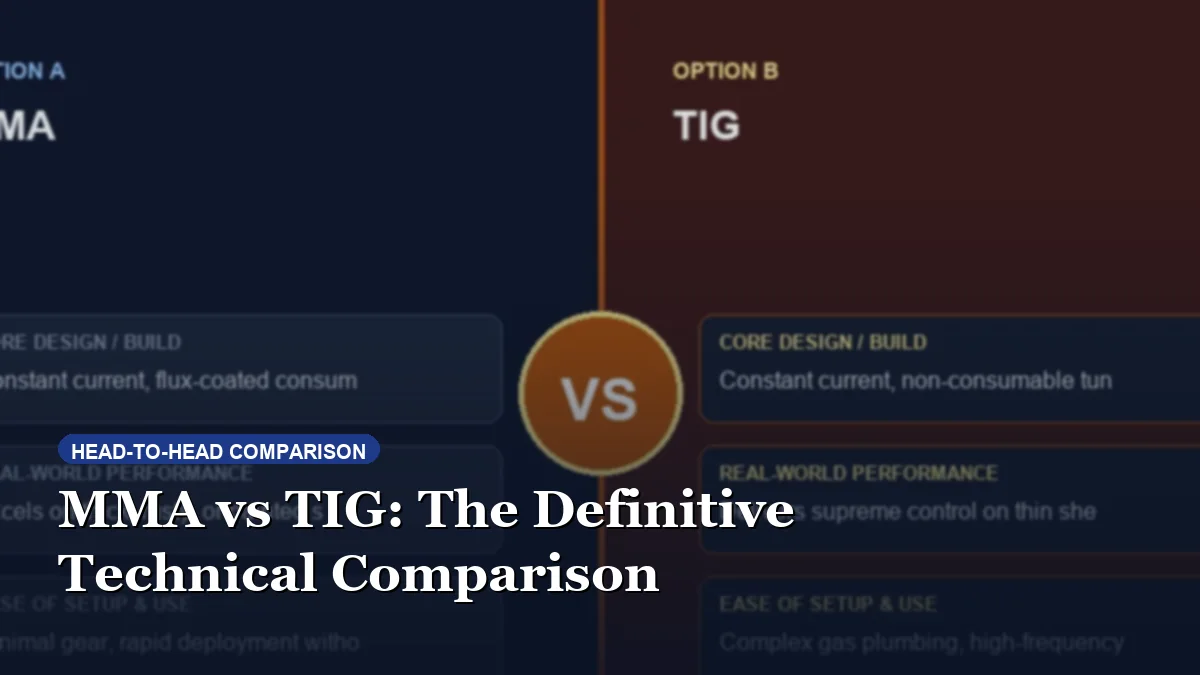
Choose MMA for heavy field construction and dirty structural repairs requiring maximum penetration. Choose TIG for precision fabrication, thin-gauge metals, and flawless cosmetic finishes on clean alloys.
Compare all top models in our Best Welder: Top Home Shop & Jobsite Picks Tested.
Side-by-Side Breakdown
| Criteria | MMA | TIG | Edge |
|---|---|---|---|
| Core Design / Build | Constant current, flux-coated consumable electrode | Constant current, non-consumable tungsten arc | TIG |
| Real-World Performance | Excels on thick, rusty, or painted site steel | Delivers supreme control on thin sheet metals | Tie |
| Ease of Setup & Use | Minimal gear, rapid deployment without gas lines | Complex gas plumbing, high-frequency arc start | MMA |
| Durability & Reliability | Rugged transformer or inverter units for harsh sites | Sensitive electronics and delicate torch assemblies | MMA |
| Efficiency / Operating Footprint | High electrode stub loss, generates slag cleanup | Clean process, negligible waste, requires shielding gas | TIG |
| Maintenance Requirements | Basic cable checks and slag chipping hammer upkeep | Rigorous tungsten grinding and torch consumable care | MMA |
| Best Ideal Use Case | Structural steel erection and outdoor pipeline welds | Aerospace, sanitary piping, and custom automotive work | Tie |
Core Engineering Principles and Physics
Shielded metal arc welding utilizes an electric circuit maintained between a flux-covered metallic electrode and the parent workpiece. This process generates intense thermal energy to melt both components instantly.
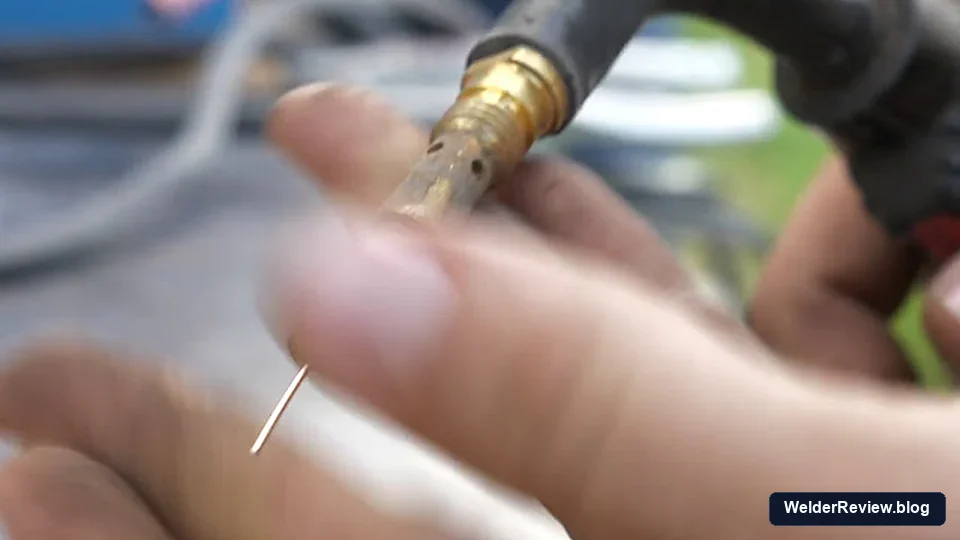
As the electrode core melts, the chemical flux coating vaporizes. This protective action creates a gaseous shield that prevents atmospheric contamination of the molten weld pool during solidification.
Conversely, tungsten inert gas welding establishes an electric arc using a non-consumable tungsten electrode. An external bottle of inert gas continuously blankets the weld zone to protect the metal.
- Consumable electrode supplies both filler metal and protective gas flux.
- Non-consumable tungsten requires separate filler rod addition by hand.
- External shielding gas cylinders are mandatory for atmospheric protection during processing.
Arc Initiation and Voltage Control
Manual metal arc systems rely on contact striking to initiate the welding arc across an air gap. Voltage drops automatically once the short circuit transforms into a stable plasma stream.
TIG equipment frequently incorporates high-frequency arc ignition or lift-arc technology. When selecting units for non-ferrous metals, consult our best aluminium tig welder guide to prevent tungsten contamination and ensure smooth ignition.
- Scratch or hot-start mechanisms dominate conventional stick welding setups.
- High-frequency arc stabilizers protect delicate tungsten tips from premature degradation.
Equipment Architecture and Power Sources
Modern welding machines convert standard line voltage into usable welding current through heavy-duty transformers or advanced inverter circuits. Both processes demand specific output characteristics to ensure stable operation.
Stick welding power sources typically feature high open-circuit voltage capabilities. This design helps maintain a stable arc even when line fluctuations occur on remote job sites.
Tig power sources require sophisticated gas solenoids, post-flow timers, and precise amperage modulation. These integrated features manage heat input meticulously across delicate or heat-sensitive alloy components.
- Constant current output curves compensate for variable arc length changes.
- Inverter technology drastically reduces physical machine weight and overall power consumption.
- Dedicated cooling systems prevent overheating during high-amperage continuous welding operations.
Duty Cycle and Thermal Management
Duty cycle ratings dictate how long a machine can operate continuously within a ten-minute window. Heavy industrial stick welders often feature high duty cycles for prolonged structural fabrication.
Advanced machines found in our best tig welder for aluminum review incorporate digital signal processors to monitor internal component temperatures and protect sensitive circuit boards from thermal overload during heavy AC runs.
- Industrial units support multi-hour operational windows under heavy structural loads.
- Internal cooling fans expel heat rapidly to safeguard internal electrical components.
Real-World Performance and Joint Metallurgy
Metallurgical integrity depends heavily on precise heat control and adequate shielding from ambient air. Stick welding handles contaminated, rusted, or scaled steel remarkably well due to active slag ingredients.
The chemical flux present in stick electrodes actively scavenges oxides and impurities from the molten pool. This self-cleaning action makes stick welding superior for field repairs on aged infrastructure.
Tig welding demands immaculate joint preparation and absolute surface cleanliness. Exploring options inside our cheapest ac dc tig welder roundup highlights why removing surface oxides prevents immediate porosity and weld defects.
- Active flux formulations tolerate minor surface oxidation and operational contamination.
- Pure inert gas shielding produces exceptionally clean, high-integrity metallurgical structures.
- Controlled cooling rates prevent micro-cracking in high-strength carbon steel alloys.
Penetration Profiles and Material Thickness
Stick welding delivers deep, aggressive penetration into thick structural steel plates. This makes it the preferred choice for heavy industrial construction and bridge engineering projects.
Tig welding provides exquisite control over puddle fluidity and shallow heat penetration. Operators can successfully join razor-thin sheet metals without risking burn-through or excessive distortion.
- Deep thermal penetration handles heavy structural plate joints effortlessly.
- Precise arc concentration enables flawless welding on ultra-thin sheet components.
Usability, Ergonomics and Setup Demands
Operator ergonomics directly impact daily productivity. Upgrading to a machine featured in our best ac dc tig welder guide improves torch handling while minimizing operator fatigue during prolonged shop fabrication sessions.
Welders simply connect the electrode holder and work clamp to begin joining metals immediately. There are no heavy gas hoses or flow meters restricting movement around complex structures.
Tig welding demands a more stationary setup due to the attached shielding gas cylinder and water cooler lines. Managing the torch in one hand and filler rod in the other requires advanced coordination.
- Stick setups offer maximum physical mobility without dragging gas lines.
- Tig torches require ambidextrous dexterity for simultaneous filler wire feeding.
- Protective gear must shield skin from intense ultraviolet radiation emitted by tig arcs.
Learning Curve and Skill Acquisition
Mastering manual metal arc welding involves learning to maintain a consistent arc length as the electrode burns down. Beginners often struggle with electrode sticking during initial strike attempts.
Tig welding has a notoriously steep learning curve due to dual-handed operation requirements. Operators must precisely coordinate amperage control pedals while manipulating the torch angle.
- Initial stick practice focuses on controlling travel speed and electrode angle.
- Tig proficiency demands rigorous muscle memory for precise filler metal additions.
Shielding Mechanisms and Environmental Factors
Environmental conditions dictate which welding process will deliver successful results in the field. Wind easily displaces external shielding gas, rendering open-air tig welding nearly impossible without heavy windbreaks.
Stick welding relies on localized flux generation, creating a robust physical and chemical barrier. This localized shielding shield remains remarkably stable even in moderate outdoor wind conditions.
Indoor fabrication shops favor gas-shielded processes because environmental airflow can be strictly controlled. This ensures optimal shielding coverage and prevents atmospheric contamination of reactive metal pools.
- Localized flux shielding resists disruptive outdoor wind currents effectively.
- Inert gas coverage requires calm indoor environments or dedicated protective wind enclosures.
- Humidity and moisture on electrodes demand proper storage in heated ovens.
Fume Generation and Ventilation Requirements
All arc welding processes generate hazardous metal fumes that require proper ventilation control. Stick welding produces significant particulate matter and smoke due to the continuous flux vaporization.
Tig welding generates lower visible smoke volumes but still produces dangerous ozone and shielding gases. Adequate extraction systems remain mandatory for worker health and workplace safety compliance.
- Flux consumption creates heavy particulate smoke requiring local exhaust ventilation.
- Inert gas operations release invisible ozone requiring proper workshop air exchange.
Maintenance Protocols and Long-Term Reliability
Keeping welding equipment in peak operating condition prevents unexpected downtime and expensive workshop repairs. Stick machines require minimal routine maintenance beyond blowing out accumulated metallic dust periodically.
Electrode cables, connectors, and heavy-duty clamps must be inspected regularly for wear and secure connections. Loose terminals create excessive electrical resistance, leading to overheating and power loss.
Tig systems demand meticulous attention to torch consumables, collets, gas lenses, and tungsten tips. Contaminated or improperly ground tungsten electrodes immediately degrade arc stability and weld integrity.
- Regularly inspect power cables for insulation cracking and internal strand damage.
- Keep internal machine chassis clean from abrasive metal dust accumulation.
- Maintain clean tungsten grinding wheels to prevent cross-contamination of alloy tips.
Consumable Management and Upkeep
Managing consumable inventory is a vital part of running an efficient metal fabrication business. Stick electrodes must be kept dry and stored in accordance with strict manufacturer humidity guidelines.
Tig torches require periodic replacement of silicone rubber boots, ceramic cups, and back caps. Preventative maintenance routines ensure consistent gas flow and prevent frustrating arc disruptions.
- Store moisture-sensitive low-hydrogen electrodes in specialized holding ovens.
- Stock replacement torch components to minimize unexpected production downtime.
Operational Efficiency and Consumable Economics
Evaluating the true operating cost of a welding process involves analyzing consumable waste and labor efficiency. Stick welding leaves behind electrode stub loss and requires post-weld slag removal.
Chipper hammers and wire brushes are mandatory tools for cleaning slag between multiple weld passes. This extra cleaning step adds valuable labor time to every completed fabrication project.
Tig welding produces virtually zero post-weld slag, eliminating tedious cleaning requirements entirely. However, the ongoing cost of pure shielding gas cylinders impacts overall project operational budgets significantly.
- Electrode stub waste reduces overall consumable efficiency in stick setups.
- Slag chipping and cleaning add secondary labor time to multi-pass joints.
- Inert shielding gases represent a consistent ongoing operational expense item.
Energy Consumption and Power Draw
Modern inverter power sources have dramatically improved electrical efficiency across both welding categories. They draw less amperage from standard wall outlets while delivering higher output performance.
Selecting the correct amperage range ensures transformers operate within their optimal efficiency curve. This prevents unnecessary electrical waste and reduces overall monthly facility utility overhead expenses.
- Inverter architecture minimizes idle power draw and maximizes electrical conversion.
- Matching machine output to material thickness optimizes energy utilization efficiency.
Strategic Selection and Industry Application Fit
Selecting the correct welding process ensures project success, structural safety, and financial profitability. Heavy construction sites, shipyards, and outdoor pipeline projects rely heavily on rugged stick welding.
The portability and weather resistance of manual metal arc systems make them indispensable for field repairs. Welders can easily transport compact inverter units into remote or elevated work locations.
Conversely, precision industries such as aerospace, motorsport fabrication, and sanitary piping demand tig welding. The unmatched cosmetic finish and metallurgical control justify the complexity of the setup.
- Field construction favors rugged stick welders for outdoor structural erection.
- Precision manufacturing relies on tig systems for clean, intricate alloy assemblies.
- Application demands dictate the ideal balance between speed and aesthetic quality.
Future Trends in Arc Welding Technology
Welding technology continues to evolve with advanced digital control interfaces and multi-process capabilities. Modern machines frequently combine stick, tig, and MIG functions into a single portable housing.
These versatile power sources provide fabricators with unprecedented flexibility across diverse job requirements. Understanding the fundamental physics of each process remains essential for professional operators.
- Multi-process inverter units streamline workshop equipment footprints significantly.
- Digital microprocessors offer fine-tuned arc control for specialized alloy welding.
Frequently Asked Questions
Can I weld aluminum using standard stick welding equipment?
While specialized aluminum stick electrodes exist, they produce poor results compared to shielding gas methods. You should use TIG welding with alternating current for clean aluminum fabrication.
Why is my stick electrode sticking to the metal during arc startup?
Electrode sticking usually occurs due to insufficient open-circuit voltage or improper striking technique. Adjusting your machine's hot start amperage prevents this common beginner frustration.
Do I need shielding gas for manual metal arc welding?
No external gas cylinders are required because the flux coating vaporizes to create shielding. This self-contained feature makes MMA welding ideal for windy outdoor job sites.
What type of tungsten electrode should I buy for steel fabrication?
Standardized lanthanated or ceriated tungsten electrodes offer excellent arc stability on carbon steel. Proper tungsten preparation with a dedicated grinding wheel ensures clean arc starts.
Which welding process is easier for a complete beginner to master?
Stick welding offers a simpler initial setup without complex gas plumbing or dual-handed coordination. Most beginners find MMA fundamentals easier to grasp before tackling advanced TIG techniques.