Mig vs Tig Welding For Cars: The Ultimate Matchup
Choosing the right automotive process prevents costly distortion. Our technical breakdown guides your shop decisions.


Choose MIG for fast frame repairs and production speed. Select TIG for cleaner structural welds and thin body panels.
Compare all top models in our Best Welder: Top Home Shop & Jobsite Picks Tested.
Side-by-Side Breakdown
| Criteria | Mig | Tig Welding For Cars | Edge |
|---|---|---|---|
| Core Design / Build | Continuous wire feed system | Non-consumable tungsten electrode | TIG |
| Real-World Performance | High deposition rates for steel | Precision control on thin sheet | TIG |
| Ease of Setup & Use | Forgiving learning curve for beginners | Demands advanced manual dexterity | MIG |
| Durability & Reliability | Strong joints when properly set | Superior metallurgical integrity | TIG |
| Efficiency / Operating Footprint | Faster completion times overall | Slower travel speeds required | MIG |
| Maintenance Requirements | Regular liner and tip changes | Tungsten grinding and torch upkeep | MIG |
| Best Ideal Use Case | Chassis building and floor pans | Roll cages and exhaust headers | TIG |
Core Design and Engineering Differences
Automotive fabrication requires understanding fundamental arc mechanics. Metal inert gas systems feed a continuous filler wire through a gun while shielding the weld pool with gas. This continuous feed mechanism creates an exceptionally fast operational workflow for technicians.
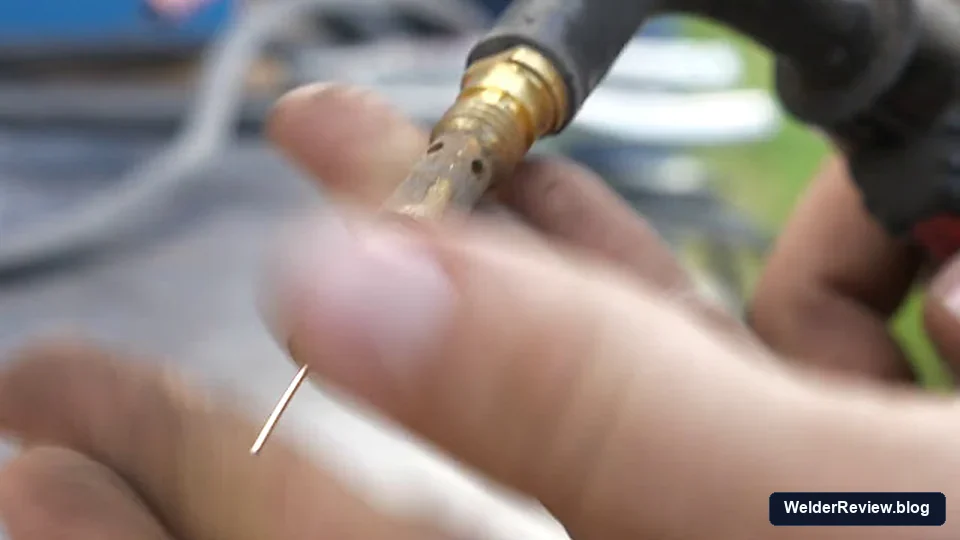
Tungsten inert gas equipment relies on a separate filler rod fed manually into the puddle. A non-consumable tungsten electrode maintains the electric arc beneath an inert gas shroud. This distinct engineering approach provides unmatched control over every single deposited droplet.
MIG welding continuously feeds a solid or flux-cored wire electrode through a drive roll assembly, establishing an automated electrical arc that melts filler metal directly into the automotive joint interface.
TIG welding utilizes a non-consumable tungsten electrode housed inside a torch, requiring careful preparation detailed in our tungsten sharpening guide to maintain arc stability on critical structural joints.
- MIG utilizes continuous electrode feeding mechanisms for high speed.
- TIG employs a non-consumable tungsten electrode for precise arc placement.
- Shielding gases protect both molten pools from atmospheric contamination.
Electrode Delivery and Shielding Mechanisms
Shielding gas selection dictates weld porosity and overall strength. Pure argon or argon-carbon dioxide blends protect the hot metal from oxidation during the fusion process. Proper gas flow rates prevent atmospheric nitrogen from degrading the joint integrity.
Equipment weight and portability vary significantly between these two welding styles. Heavy-duty MIG machines often require dedicated cart setups with large cylinders. TIG units can remain compact, making them ideal for mobile fabrication and tight garage spaces.
- Gas flow meters must be calibrated accurately before striking an arc.
- Argon blends enhance arc stability during heavy automotive steel fabrication.
Real-World Performance on Automotive Steels
Modern vehicles incorporate advanced high-strength steels that demand precise thermal input. MIG welding delivers high deposition rates, making quick work of thick frame rails and structural reinforcement brackets. However, excessive heat can warp thin exterior body panels instantly.
TIG welding shines when handling delicate materials like aluminum headers and stainless exhaust tubing, especially when you consult our best cup for tig welding aluminum review for proper gas coverage.
This prevents burn-through on vintage body panels and fragile sheet metal.
Modern vehicle construction frequently integrates high-strength steels and aluminum alloys requiring specific heat inputs to prevent microstructural degradation during structural collision repair procedures and reinforcement modifications.
MIG processes excel on thicker structural members like frame rails using ER70S-6 wire, whereas TIG dominates thin-gauge body panels requiring exceptional cosmetic finish and minimal post-weld grinding.
- MIG excels at joining thick structural frame components quickly.
- TIG prevents burn-through on thin-gauge automotive sheet metal.
- Thermal distortion remains lower when utilizing pulsed TIG waveforms.
Handling Exotic Alloys and Thin Sheet Metal
Working on classic car restoration projects exposes rusty, pitted metal surfaces. MIG tolerates slight surface contamination better than TIG, which requires surgically clean joints. Technicians save valuable prep time when dealing with older floor pans and rocker panels.
Exotic exhaust systems manufactured from titanium or thin stainless steel require absolute atmospheric purity. TIG equipment provides the necessary torch shielding and heat precision. This eliminates oxidation and ensures crack-free joints under extreme thermal cycling.
- Clean joints are mandatory for achieving sound TIG welds on steel.
- MIG tolerates minor mill scale during rapid chassis assembly tasks.
Setup, Usability, and Arc Control Dynamics
Mastering machine setup directly influences weld bead appearance and structural soundness. MIG systems require balancing wire feed speed with voltage settings. Beginners can achieve acceptable structural joints within hours of basic practice and safety instruction.
Operating a TIG torch demands simultaneous coordination of both hands and one foot. The operator holds the torch, feeds the filler rod, and controls amperage via a foot pedal.
This steep learning curve deters many novice fabricators from attempting complex projects.
Setting up a MIG machine involves calibrating wire feed speed and voltage, consulting our best gas for mig welding mild steel guide to select shielding mixes ensuring optimal penetration.
TIG welding demands foot pedal dexterity for amperage modulation alongside two-handed coordination, allowing technicians to adjust heat input dynamically when encountering varying joint gaps or contaminated sheet metal.
- MIG parameters rely on voltage and wire speed balancing charts.
- TIG operation requires simultaneous two-handed dexterity and foot control.
- Arc stability depends heavily on proper tungsten preparation angles.
Mastering the Foot Pedal and Torch Angle
Foot pedal modulation allows operators to adjust heat output mid-weld. This capability proves invaluable when transitioning from thick chassis mounting brackets to thin tubing. Maintaining a tight arc length prevents tungsten contamination and erratic wandering.
Torch travel angles dictate penetration depth and bead profile geometry. Pushing or pulling the MIG gun changes the cleaning action and weld reinforcement. Fabricators must maintain consistent travel speeds to avoid cold lap defects.
- Foot pedals offer real-time amperage adjustment during difficult welds.
- Consistent travel angles prevent common fusion defects in corners.
Maintenance, Efficiency, and Equipment Longevity
Routine equipment maintenance prevents frustrating downtime in busy automotive shops. MIG setups require frequent inspections of contact tips, drive rolls, and gas nozzles. Spatter buildup inside the nozzle restricts shielding gas flow and causes porous weld beads.
TIG setups require maintaining sharp tungsten electrodes and clean torch collets, mirroring the precision highlighted in our best tig welding machine for aluminum guide when tackling complex automotive fabrication tasks.
Routine MIG maintenance requires inspecting contact tips, liner conditions, and drive rolls to prevent wire feeding friction that causes erratic arc stability and costly production downtime in busy shops.
TIG equipment longevity depends on maintaining clean tungsten points via dedicated grinding wheels and inspecting water-cooled torch lines to prevent overheating during extended chassis fabrication sessions.
- MIG contact tips must be replaced regularly to maintain arc stability.
- Tungsten electrodes require proper longitudinal grinding to focus the arc.
- Coolant lines must be inspected for leaks on high-end TIG systems.
Consumables Management and Shop Efficiency
Consumable costs accumulate quickly during high-volume automotive restoration projects. Stocking spare contact tips, nozzles, and shielding gas cylinders keeps production flowing smoothly. Organizing these supplies prevents costly project delays in professional repair shops.
Electrical efficiency impacts long-term operating overhead in commercial facilities. Inverter-based machines draw less current while delivering stable arcs under fluctuating load conditions. Investing in modern multi-process equipment maximizes shop versatility and energy savings.
- Keeping spare consumables handy minimizes unexpected shop downtime.
- Inverter technology improves energy efficiency in modern welding units.
Heat Management and Distortion Control
Controlling thermal input is critical when modifying unibody vehicle structures. Excessive heat causes severe panel warping that requires extensive body filler to correct. MIG welding generates broad heat-affected zones that demand careful stitch-welding techniques.
Tig welding for cars offers localized heat delivery that minimizes structural distortion. By pulsing the arc, fabricators can control total thermal input on critical suspension mounts. This precision preserves factory alignment tolerances and structural crash performance.
Controlling thermal distortion on thin automotive sheet metal requires low heat input and strategic skip-welding techniques to prevent warping exterior body panels and compromising factory alignment tolerances.
TIG welding offers superior thermal control through precise amperage manipulation, whereas MIG delivers faster travel speeds that localize heat zones effectively on thicker structural subframe components.
- Stitch-welding with MIG prevents excessive heat buildup on panels.
- Pulsed TIG settings reduce the total heat-affected zone significantly.
- Precise heat control protects sensitive nearby factory electronics.
Preventing Panel Warpage During Bodywork
Replacing quarter panels requires meticulous heat management to avoid oil-canning. Spacing out weld spots allows the metal to cool between passes. Cooling compressed air jets should be avoided to prevent micro-fissuring in high-carbon steels.
Back-purging stainless steel exhaust components prevents sugar-like oxidation inside the tubing. Using a secondary gas feed maintains root penetration quality without thermal distortion. This technique ensures maximum exhaust flow and long-term durability.
- Intermittent welding sequences prevent destructive sheet metal warping.
- Back-purging protects the interior root of exhaust tubing joints.
Selecting the Ideal Process for Your Project
Choosing between these processes depends entirely on your specific automotive goals. If you are building roll cages or custom exhaust systems, precision takes priority over speed. For heavy chassis fabrication, production efficiency becomes the deciding factor.
Budget constraints and available workspace also dictate your ultimate equipment purchase. Many professional shops maintain both machine types to handle diverse automotive repair tasks. Evaluating your skill level ensures a successful and rewarding fabrication experience.
Choosing between these processes depends heavily on project scope, material thickness, and available fabrication time, balancing the speed of MIG against the metallurgical precision of TIG applications.
Professional technicians frequently utilize both methods, deploying MIG for rapid structural assembly while reserving TIG for visible roll cages and intricate suspension modifications demanding absolute structural integrity.
- Evaluate project materials before selecting your primary machine.
- Consider workspace limitations and power supply availability carefully.
- Investing in dual-process units covers most automotive repair needs.
Matching Equipment to Your Skill Level
Beginner fabricators often succeed faster with user-friendly MIG systems. As your metalworking skills advance, adding a TIG machine expands your fabrication capabilities. Matching equipment capabilities to your current expertise prevents frustration and wasted material.
Safety gear remains non-negotiable regardless of the welding process chosen. Proper auto-darkening helmets, leather gloves, and flame-retardant jackets protect against intense UV radiation. Prioritizing shop safety guarantees a long and productive automotive hobby.
- MIG offers an easier entry point for novice automotive builders.
- Always wear certified personal protective equipment during operation.
Frequently Asked Questions
Can I use MIG welding for thin car body panels?
Yes, but you must use small diameter wire and stitch-welding techniques. This prevents burn-through and excessive sheet metal distortion.
Why is TIG preferred for custom automotive exhaust systems?
TIG provides superior control over heat input and creates clean root passes. This eliminates internal restrictions and prevents premature exhaust cracking.
Is MIG or TIG better for building a roll cage?
Most sanctioning bodies accept both processes if executed correctly. However, TIG offers ultimate joint inspection and maximum structural reliability.
Do I need shielding gas for both welding processes?
Yes, both processes require inert gas shielding to prevent atmospheric contamination. Common mixes include argon and carbon dioxide blends.
Which welding process is easier for a beginner to learn?
MIG welding features a much more forgiving learning curve for novices. You can achieve strong structural welds after minimal practice sessions.