MIG vs Stick Strength: Engineering and Performance Breakdown
Understanding structural integrity requires looking closely at filler metals, penetration profiles, and operational environments. Both processes offer distinct mechanical advantages depending on your specific project scope.

Choose MIG for speed and clean shop work on thin to medium structural steel joints. Select Stick when tackling heavy rust, wind, and maximum tensile strength on thick plate.
Compare all top models in our Best Welder: Top Home Shop & Jobsite Picks Tested.
Side-by-Side Breakdown
| Criteria | Mig | Stick Strength | Edge |
|---|---|---|---|
| Core Design / Build | Continuous wire feed with external shielding gas | Consumable coated electrode with flux shielding | Stick |
| Real-World Performance | Exceptional travel speed on clean carbon steels | Deep arc penetration on dirty or thick metals | Stick |
| Ease of Setup & Use | Low learning curve for flat shop positions | Requires precise arc length control and angle | Mig |
| Durability & Reliability | Sensitive to drafts and contact tip wear | Rugged generator-friendly field performance | Stick |
| Efficiency / Operating Footprint | High deposition rate with minimal slag cleanup | Frequent electrode changes and slag removal | Mig |
| Maintenance Requirements | Regular drive roll and liner replacements | Minimal machine upkeep with heavy cable care | Stick |
| Best Ideal Use Case | Automotive fabrication and production welding | Structural construction and heavy equipment repair | Tie |
Core Design & Engineering Differences
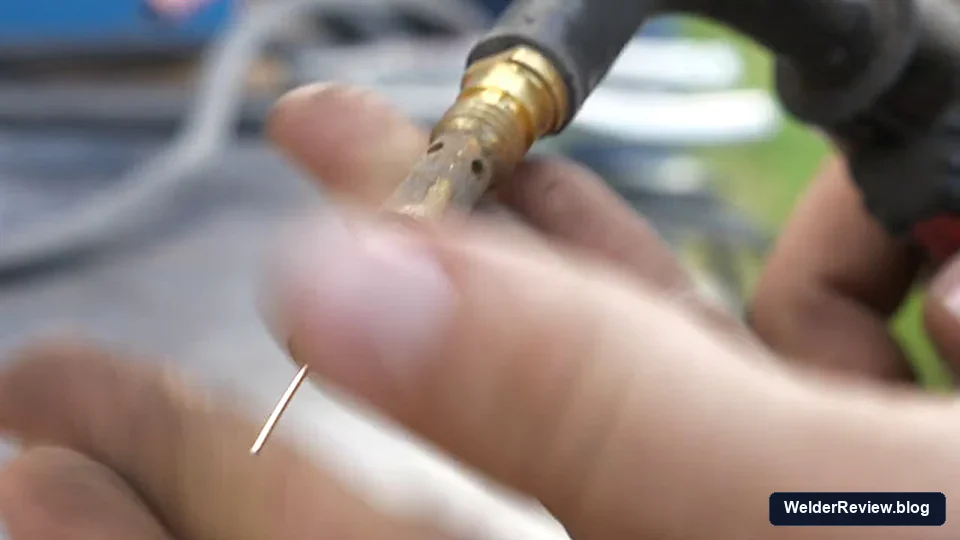
Welding machine engineering dictates how electrical energy transfers into thermal heat. Constant voltage systems define MIG setups, maintaining a steady arc length automatically as the drive motor pushes wire through the torch gun.
Conversely, Shielded Metal Arc Welding relies on constant current output. This design stabilizes amperage despite minor hand tremors, ensuring consistent heat input even when the welder alters their arc distance slightly during a pass.
Understanding these foundational power source differences helps operators select the right equipment. Electrical tolerances directly impact bead profile consistency, penetration depth, and overall mechanical integrity across demanding structural fabrication environments.
GMAW systems rely on a continuous wire feed mechanism coupled with an external shielding gas supply to protect the molten weld pool from atmospheric contamination during fabrication.
Conversely, SMAW equipment utilizes a flux-coated consumable electrode held in a manual holder, generating its own protective gas shield as the coating thermal-decomposes during the arc cycle.
When selecting the best beginner mig welders, modern units employ advanced inverter architectures for precise voltage control, while traditional stick machines rely on rugged transformers.
- Constant voltage power output stabilizes wire feed dynamics.
- Constant current topology maintains steady amperage for stick electrodes.
- Drive roll tension mechanisms regulate continuous electrode delivery.
- Electrode coatings generate protective gas shields upon combustion.
Power Source Topologies and Arc Stability
Inverter technology has revolutionized how both machines deliver current. Modern circuits reduce transformer weight while improving arc responsiveness during short-circuit transfers or dynamic digging force adjustments.
Operators benefit from precise voltage control that minimizes spatter. These engineering upgrades translate to sounder welds with fewer internal porosity defects across challenging joint geometries and varying plate thicknesses.
- Inverter architecture reduces overall equipment weight.
- Advanced microprocessors monitor short-circuit events instantly.
Metallurgical Penetration and Joint Integrity
Tensile strength depends heavily on the chemical composition of the filler metal and cooling rates. MIG welding utilizes solid wires like ER70S-6, offering high yield strength when shielding gases protect the molten puddle effectively.
When choosing a budget stick welder, electrodes like E7018 introduce specialized flux elements. This formulation scavenges impurities, producing ductile joints with superior impact toughness at low operating temperatures.
Joint preparation requirements also influence final structural integrity. While MIG demands spotless metal surfaces to prevent defects, stick welding burns through light mill scale and rust with aggressive arc force.
Achieving deep root penetration requires managing heat input effectively, where stick welding excels due to higher amperages and focused arc forces acting directly on thick structural plates.
MIG welding provides shallower, wider fusion profiles that perform exceptionally well on thin-gauge sheet metals, minimizing the risk of burn-through and excessive distortion across joint interfaces.
Tensile strength parameters depend heavily on filler metal selection, but proper slag removal remains critical in stick joints to prevent inclusions that compromise ultimate structural load capacity.
- ER70S-6 wires deliver reliable tensile strength on clean steel.
- E7018 low-hydrogen electrodes provide exceptional impact resistance.
- Flux coatings actively clean impurities during the welding process.
- Cooling rates dictate grain structure refinement within the HAZ.
Tensile Load Capacity and Yield Metrics
Structural engineers frequently specify stick electrodes for high-stress load-bearing applications. The deep penetration profile creates a robust root pass that resists cracking under heavy dynamic fatigue loads.
MIG welds achieve comparable tensile ratings under controlled indoor conditions. However, lack of fusion defects can occur if travel speed outpaces the heat input required for thick plate members.
- Deep root penetration resists dynamic fatigue loading.
- Proper heat input prevents lack of fusion flaws.
Real-World Performance Comparison
Even when evaluating the best budget mig welder for your shop, job site wind gusts easily displace external shielding gases, leading to severe porosity and compromised mechanical properties.
Stick welding thrives in adverse outdoor environments because its solid flux coating creates a robust gaseous cloud. This self-shielding mechanism protects the molten pool even in windy or damp field conditions.
Productivity metrics favor MIG when executing long linear passes on clean sheet metal or tubing. The continuous feed mechanism eliminates downtime associated with stub loss and frequent electrode changes.
Structural fabricators often prefer stick processes for heavy equipment repair because they easily bridge gaps caused by poor fit-up or heavy corrosion on older carbon steel surfaces.
Production environments favor continuous wire feeding to maximize duty cycles, drastically reducing downtime associated with frequent electrode changes and stub loss during long assembly line runs.
Operator skill requirements diverge sharply, as maintaining arc length manually demands extensive muscle memory, whereas MIG systems automate wire delivery for more consistent bead profiles.
- Wind interference ruins external gas shielding instantly.
- Flux coatings protect outdoor welds from atmospheric contamination.
- Continuous wire feed maximizes active arc-on time.
- Electrode changes introduce minor operational delays.
Positional Welding and Operator Skill Demands
Executing overhead or vertical-up joints tests an operator's technical proficiency. MIG requires precise voltage tuning to prevent cold lap when fighting gravity on thicker vertical plate configurations.
Stick welding allows experienced artisans to manipulate arc force effectively. By weaving low-hydrogen rods, fabricators achieve sound reinforcement profiles without sacrificing penetration on complex structural assemblies.
- Vertical-up MIG requires careful heat management.
- Rod manipulation improves overhead bead reinforcement.
Environmental Tolerances and Site Conditions
Job site climate variables dictate equipment selection more than any other factor. High humidity, blowing dust, and ambient temperature swings test the operational limits of sensitive electronic welding power sources.
When picking a starter stick welder, rugged transformer machines shrug off harsh outdoor elements with ease, making them ideal for remote structural maintenance.
MIG equipment requires clean, enclosed workspaces to perform at peak efficiency. Transporting gas cylinders and managing delicate wire feed mechanisms outdoors introduces logistical hurdles that slow down field crews.
Outdoor job sites present severe challenges for gas shielding, making shielded metal arc the definitive choice when crosswinds disrupt the external gas coverage required by standard MIG setups.
Flux-cored wires offer an alternative for outdoor MIG applications, yet heavy rust, mill scale, and moisture are inherently more forgiving under the aggressive cleaning action of stick fluxes.
Temperature extremes also impact equipment performance, requiring robust duty cycle management to prevent overheating during high-amperage structural welding operations in confined or unventilated workspaces.
- Extreme humidity corrodes sensitive wire feed components.
- Transformer stick welders endure harsh outdoor abuses.
- Gas cylinder management complicates mobile field operations.
- Dust accumulation threatens internal circuit board longevity.
Handling Contaminated and Rusted Metals
Structural repair work rarely presents pristine metal surfaces. Mill scale, rust, paint, and oil residues must be addressed before depositing structural filler metal to avoid catastrophic weld failure.
Stick electrodes contain powerful flux agents that float contaminants to the surface as slag. MIG processes lack this chemical cleansing action, demanding thorough mechanical grinding prior to striking an arc.
- Flux agents actively float oxides into surface slag.
- Grinding is mandatory before executing structural MIG passes.
Maintenance, Efficiency & Longevity
Equipment maintenance schedules directly influence long-term operational costs. MIG setups require frequent inspections of contact tips, drive rolls, liners, and gas nozzles to ensure smooth wire delivery.
Stick welders demand very little routine mechanical upkeep. Maintaining clean electrode holder jaws and inspecting heavy-duty welding cables for insulation damage constitutes the majority of required preventative service.
Electrical efficiency also varies significantly between older transformer units and modern inverter systems. Choosing the right power source reduces utility overhead during high-duty-cycle industrial fabrication shifts.
Regular upkeep ensures reliable arc starts, with drive roll tension requiring periodic adjustment on MIG guns to prevent bird-nesting and ensure smooth wire delivery through the liner.
Stick electrode holders and heavy-duty whip cables demand inspection for frayed insulation and loose connections that cause resistance heating and voltage drop during extended welding shifts.
Electrical efficiency is generally higher in modern inverter power sources, translating to lower power consumption over thousands of hours of heavy industrial fabrication and maintenance work.
- Contact tips and liners wear out during heavy MIG use.
- Electrode holders require periodic jaw cleaning for conductivity.
- Inverter power sources lower overall electrical power consumption.
- Cable inspections prevent dangerous electrical resistance drops.
Consumable Lifecycle and Wear Management
Managing consumable inventory prevents unexpected project delays. MIG operators stock various wire diameters, contact tips, and gas nozzles to match changing material thicknesses and shielding gas blends.
Stick welding simplifies consumable management immensely. A single box of E7018 rods covers a wide range of carbon steel thicknesses, requiring only dry storage ovens to maintain optimal moisture levels.
- MIG requires diverse tip and nozzle inventories.
- Stick rods need proper moisture-controlled storage ovens.
Operational Costs and Consumables Setup
Initial equipment acquisition involves balancing machine versatility against consumable overhead. MIG systems require upfront investments in shielding gas cylinders, regulators, and specialized wire spool enclosures.
Stick welding requires minimal initial hardware setup beyond the machine, electrode holder, work clamp, and protective chipping hammer. This simplicity lowers entry barriers for mobile repair technicians.
Long-term operating expenses depend heavily on deposition efficiency. MIG offers higher metal recovery rates per hour, whereas stick welding loses a small percentage of mass to stub loss and chipped slag.
Initial capital expenditure varies based on shielding gas requirements, as cylinder rentals and regulator maintenance add ongoing overhead to standard MIG welding operations in commercial shops.
Consumable storage demands climate-controlled ovens for low-hydrogen stick electrodes to prevent moisture absorption, which directly causes under-bead cracking in high-strength structural carbon steels.
Contact tips, nozzles, and liners represent routine recurring expenses for wire feed systems, whereas stick welding only requires replacement electrodes and occasional chipping hammer maintenance.
- Shielding gas cylinder rentals add recurring monthly overhead.
- Stick welding minimizes peripheral equipment and gas expenses.
- Deposition rates favor continuous wire feed mechanisms.
- Stub loss creates minor material waste in stick processes.
Total Cost of Ownership Analysis
Evaluating lifetime ownership costs involves factoring in labor efficiency and repair rates. While stick welding has lower consumable costs, MIG increases daily output in clean shop environments.
Balancing these financial variables ensures optimal shop profitability. Selecting the correct process for specific production volumes prevents unnecessary downtime and excessive rework expenses.
- Labor efficiency impacts total production overhead.
- Rework expenses decline with proper process selection.
Which Option Fits Your Setup
Choosing between these powerful joining methods requires an honest assessment of your typical work environment. Indoor fabrication shops benefit immensely from the speed and clean appearance of MIG.
Mobile repair trucks and heavy structural operations rely on stick welding for unmatched penetration and environmental resilience. Matching equipment capabilities to your workload guarantees reliable, code-compliant weld joints.
Review your primary metal thicknesses, joint cleanliness, and shop infrastructure before making a final purchasing decision. Investing in the correct technology secures long-term productivity and structural safety.
Selecting the right process involves evaluating your typical base material thickness, joint configurations, and whether your projects take place inside a clean shop or outdoors.
Choose MIG welding for high-volume fabrication of clean, thin-to-medium steel sections where speed, aesthetic bead appearance, and minimal post-weld cleanup are absolute production priorities.
Opt for stick welding when tackling heavy structural repairs, dirty field conditions, or thick-section carbon steel components that demand maximum penetration and superior joint reliability.
- Assess your typical workspace environment and climate exposures.
- Evaluate metal thickness ranges for your standard projects.
- Consider local availability of shielding gases and power sources.
- Prioritize joint strength requirements over aesthetic preferences.
Final Decision Matrix for Fabricators
Successful fabrication businesses often maintain both machine types in their fleet. Utilizing MIG for sheet metal enclosures and stick for heavy structural beams maximizes operational flexibility.
Analyze your core competency requirements to build a balanced equipment lineup. This strategic approach prepares your shop for diverse customer demands without compromising weld quality.
- Dual-process fleets maximize operational shop flexibility.
- Match machine specifications to frequent customer project types.
Frequently Asked Questions
Which welding process offers superior structural tensile strength?
Stick welding generally delivers deeper penetration and superior impact toughness on thick steel. E7018 electrodes excel in heavy load-bearing structural applications.
Can MIG welding be used reliably outdoors in windy conditions?
Wind disrupts the external shielding gas blanket required by MIG setups. Atmospheric contamination leads directly to severe porosity and weak joints.
Why do stick electrodes require specialized storage procedures?
Low-hydrogen rods absorb atmospheric moisture very easily over time. Proper oven storage prevents hydrogen-induced cracking in critical structural welds.
Is MIG welding easier to learn for beginner fabricators?
MIG features a much shorter learning curve for flat shop positions. Continuous wire feed allows beginners to focus on travel speed.
How does surface preparation differ between these two methods?
MIG demands spotless metal surfaces free of heavy rust and mill scale. Aggressive stick arc force burns through minor contaminants easily.