MIG vs MMA Welders: Technical Head-to-Head Guide
Selecting the right welding process demands balancing deposition rates against environmental constraints. This technical comparison evaluates MIG and MMA systems for professional fabrication environments.

Choose MIG for high-speed indoor sheet metal fabrication requiring clean finishes and continuous wire feed. Select MMA for heavy outdoor structural repairs where wind resistance and deep penetration matter most.
Compare all top models in our Best Welder: Top Home Shop & Jobsite Picks Tested.
Side-by-Side Breakdown
| Criteria | MIG | MMA | Edge |
|---|---|---|---|
| Core Design / Build | Motor-driven wire feeder and constant voltage output. | Transformer or inverter based constant current source. | MIG |
| Real-World Performance | Excels on thin-to-medium gauge steel and aluminum. | Dominates heavy structural steel and dirty metals. | MMA |
| Ease of Setup & Use | Requires shielding gas cylinders and precise drive roll tension. | Simple electrode change and immediate striking capability. | MMA |
| Durability & Reliability | Internal circuit boards require protection from moisture and dust. | Rugged heavy-duty construction built for harsh job sites. | MMA |
| Efficiency / Operating Footprint | High deposition efficiency with minimal stub loss waste. | Lower overall efficiency due to flux coating and stub loss. | MIG |
| Maintenance Requirements | Regular contact tip, liner, and drive roll cleaning needed. | Minimal mechanical maintenance aside from electrode holder checks. | MIG |
| Best Ideal Use Case | Production line fabrication and automotive body repair. | Field construction, pipeline welding, and farm repairs. | Tie |
Core Engineering Architecture
Modern welding engineering relies on distinct power source topologies to manage arc stability. Constant voltage systems power MIG machines while MMA units utilize constant current output.
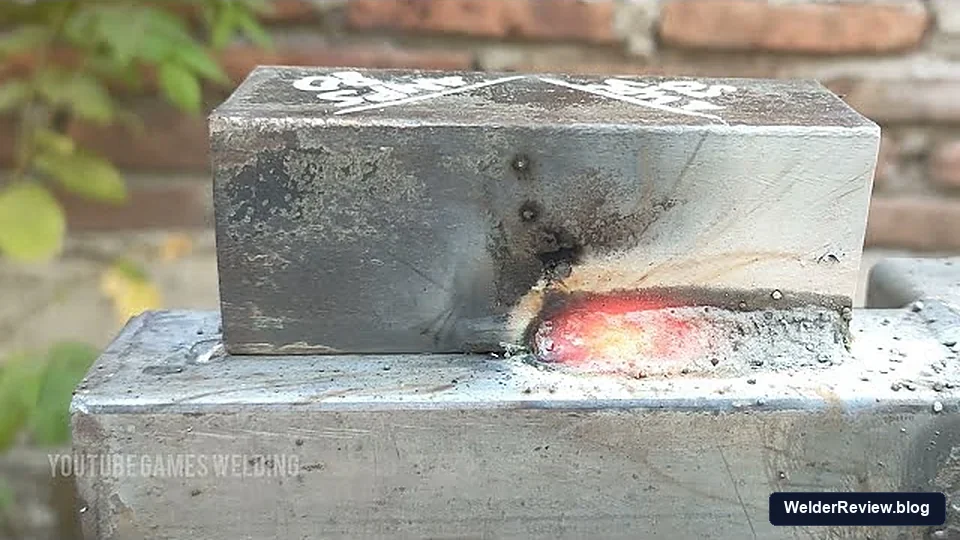
Understanding internal electrical components helps technicians optimize equipment settings for specific metal thicknesses. Transformer designs offer rugged longevity while modern inverters reduce overall machine weight significantly.
- MIG utilizes constant voltage with adjustable wire feed speeds.
- MMA employs constant current to maintain stable arc length during manual variations.
- Internal rectification converts AC input to stable DC welding output.
Power Source Topologies
Transformer architectures provide exceptional surge tolerance during heavy industrial fabrication projects. Inverter technology optimizes electrical efficiency and reduces physical weight for mobile technicians.
Choosing the correct internal architecture prevents premature component degradation under high duty cycle demands in professional workshops.
- Inverter power sources provide high frequency control over arc characteristics.
- Copper windings enhance thermal endurance in heavy industrial transformers.
Wire Feed Versus Electrode Holders
MIG guns incorporate complex mechanical wire drive assemblies evaluated in our best beginner mig welders guide that require precise tension calibration. MMA stingers provide straightforward electrical contact with coated consumable electrodes.
Maintenance routines differ drastically between these two distinct delivery mechanisms during daily fabrication tasks.
- Drive rolls must match wire diameter to prevent birdnesting issues.
- Electrode holders require periodic jaw replacement to ensure secure clamping pressure.
Arc Dynamics and Metallurgical Control
Arc physics dictate how filler metal transfers across the welding gap. Shielding gas coverage highlighted in our best budget mig welder review protects molten weld pools from atmospheric contamination during MIG operations.
Stick welding relies on flux coatings that decompose to form protective gaseous shields and slag layers. This chemical interaction allows stick welders to penetrate through rust and mill scale effectively.
- MIG transfer modes include short-circuit, globular, spray, and pulsed spray.
- MMA slag protects the cooling weld bead from oxidation.
- Penetration profiles vary based on current density and electrode angle.
Transfer Modes in Wire Welding
Short-circuit transfer operates at lower voltages for thin sheet metal applications. Spray transfer delivers high deposition rates for thick structural steel sections.
Selecting appropriate shielding gas mixtures dictates the transition between various metal transfer modes during fabrication.
- Argon-rich mixes support clean spray transfer on aluminum components.
- Carbon dioxide provides deep penetration for carbon steel short-circuit welds.
Flux Protection Mechanics
Coated electrodes generate dedicated gas envelopes that eliminate the need for external cylinders. Slag covering the solidified weld bead insulates cooling metal to reduce residual stress cracking.
Chipping away the hardened slag layer reveals the underlying weld profile for quality inspection.
- Cellulose coatings produce forceful arcs with deep joint penetration.
- Low hydrogen electrodes prevent cracking in high-strength alloy steels.
Power Delivery and Electrical Footprint
Electrical efficiency remains a critical metric for fabrication shops managing monthly operational overhead. Duty cycle ratings determine how long a machine runs before requiring mandatory cooling periods.
Input power requirements vary between single-phase shop outlets featured in our best 110v mig welder selection and heavy three-phase industrial distribution grids. Matching equipment ratings prevents tripped breakers and equipment damage.
- MIG machines often demand continuous power draw during extended wire feeds.
- MMA units adjust voltage dynamically to maintain arc length during manual manipulation.
- Power factor correction modules improve overall electrical efficiency on modern inverters.
Duty Cycle Management
Industrial welding equipment specifies performance percentages based on ten-minute operational windows. Exceeding rated thermal thresholds triggers internal thermal overload protection circuits automatically.
Cooling fans and heavy-duty heat sinks extend operational longevity during demanding production shifts.
- Sixty percent duty cycles allow six minutes of continuous welding.
- Thermal switches protect transformer windings from catastrophic insulation failure.
Input Voltage Configurations
Dual-voltage capability allows machines to operate on standard household circuits or industrial lines. Multi-voltage transformers require manual link reconfiguration inside the primary terminal cabinet.
Proper grounding protocols protect operators from electrical shock hazards in damp working environments.
- Standard receptacles limit maximum output amperage on portable units.
- Dedicated breakers prevent voltage drops during high amperage operations.
Setup Usability and Ergonomic Design
Operator fatigue directly influences weld quality across long manufacturing shifts. Ergonomic gun designs found in our best mig welder for home use roundup reduce wrist strain during continuous horizontal MIG passes.
Stick welding holders balance weight differently, requiring steady hand control to maintain consistent arc length. Operator skill level heavily dictates final weld bead appearance and structural integrity.
- MIG guns feature flexible cable assemblies that require careful routing.
- Stick electrode holders offer simpler handling without attached gas hoses.
- Digital control panels simplify parameter adjustments for novice operators.
Cable Management Systems
Managing heavy power cables and gas hoses requires dedicated boom arms or overhead retractors. Coaxial cable designs integrate power leads and gas tubes to reduce overall bundle stiffness.
Preventing sharp bends in cable assemblies extends liner life and ensures smooth wire feeding.
- Teflon liners reduce friction during aluminum wire feeding processes.
- Heavy-duty strain reliefs protect internal connections from pulling damage.
Control Interface Layouts
Synergic control interfaces automatically calculate wire feed speed based on voltage inputs. Manual stepped switches offer tactile feedback for industrial environments prone to dust buildup.
Clear digital displays allow precise monitoring of amperage and voltage parameters during active welding.
- Preset programs accelerate setup times for common material thicknesses.
- Sealed membrane switches protect delicate circuitry from metal grit.
Environmental Adaptability and Portability
Job site conditions dictate whether gas-shielded processes or self-contained methods succeed. Wind interference disperses external shielding gas, causing severe porosity in MIG welds.
Stick welding thrives outdoors because the decomposing flux generates localized gas and slag protection. Portable engine-driven generators supply reliable power for remote field repair operations.
- MIG processes require enclosed workshops or temporary windbreaks.
- MMA electrodes resist moderate drafts during structural erection projects.
- Compact inverter welders fit easily into service truck storage compartments.
Wind Resistance Factors
Even gentle breezes displace shielding gas envelopes from open MIG weld pools instantly. Flux-cored wire alternatives provide internal shielding when outdoor MIG work is necessary.
Stick welding remains the preferred method for windy bridge and pipeline construction sites.
- Wind speeds exceeding five miles per hour disrupt gas shielding.
- Flux-cored wires utilize internal gasifiers to combat atmospheric interference.
Job Site Portability
Lightweight inverter power sources enable easy transport across multi-level construction platforms. Carrying cases protect sensitive electronics from rain, dust, and mechanical impacts.
Robust chassis designs withstand rough handling in harsh industrial maintenance environments.
- Shoulder straps facilitate hands-free transport on ladder systems.
- IP-rated housings prevent moisture ingress during inclement weather.
Routine Maintenance and Consumable Life
Equipment longevity depends on consistent preventive maintenance schedules and consumable replacement. Contact tips wear down rapidly during high-amperage MIG production runs.
Stick welding consumables require dry storage environments to prevent moisture absorption in flux coatings. Proper electrode storage eliminates hydrogen cracking risks in high-tensile steel joints.
- MIG liners collect metallic debris and require periodic compressed air cleaning.
- Electrode ovens maintain low humidity levels for specialty stick rods.
- Drive roll grooves must match specific wire diameters precisely.
Consumable Inspection Protocols
Nozzle buildup restricts gas flow and causes erratic arc behavior during MIG welding. Replacing worn contact tips restores electrical conductivity and maintains stable arc parameters.
Inspect electrode holders regularly for cracked insulation or loose internal clamping mechanisms.
- Anti-spatter spray extends nozzle life in high-production settings.
- Slag hammers and wire brushes are essential daily cleanup tools.
Internal Component Servicing
Blowing accumulated metallic dust from transformer windings prevents electrical short circuits. Lubricating drive motor gearboxes ensures smooth wire feeding without slippage issues.
Checking internal gas valve solenoids prevents costly shielding gas leaks over time.
- Low-pressure compressed air clears dust from sensitive circuit boards.
- O-ring inspections maintain leak-free gas connections on regulators.
Fabrication Economics and Application Fit
Total operational costs include consumable expenses, gas rentals, and labor efficiency metrics. Deposition rates are significantly higher for continuous wire processes compared to manual stick welding.
Matching the correct welding process to specific project requirements optimizes turnaround times and minimizes rework. Capital investment costs must be weighed against long-term productivity gains in commercial workshops.
- MIG reduces post-weld cleanup time on clean sheet metal assemblies.
- Stick welding eliminates cylinder rental fees for occasional repair shops.
- Operator training time is shorter for basic MIG operation.
Consumable Cost Analysis
Shielding gas cylinder rentals add fixed overhead expenses to MIG operations. Individual stick electrodes involve higher per-pound material costs but require no auxiliary gas infrastructure.
Calculating overall project expenses helps shops choose the most profitable fabrication method.
- Bulk wire spools lower consumable costs for high-volume production.
- Stub loss waste reduces overall efficiency in manual stick welding.
Application Suitability Matrix
Automotive restoration benefits from the low heat input of MIG welding. Heavy structural repairs demand the deep penetration and robust nature of stick electrodes.
Evaluating joint design ensures structural integrity across diverse manufacturing sectors.
- Thin auto body panels warp easily under high heat inputs.
- Thick plate steel requires multiple passes with reliable root penetration.
Frequently Asked Questions
Which welding process is easier for complete beginners to learn?
MIG welding is generally easier for beginners due to the continuous wire feed. MIG systems allow users to master puddle control much faster than manual stick welding.
Can I weld outdoors using a standard MIG machine?
Standard MIG welding cannot tolerate outdoor wind because breezes blow away shielding gas. Flux-cored wire or stick welding must be used for outdoor fabrication tasks.
What maintenance does a MIG welder require compared to stick?
MIG machines require regular cleaning of drive rolls, liners, and contact tips. Stick welders involve minimal mechanical maintenance aside from checking electrode holder jaws.
Why do professional fabricators prefer stick welding for heavy plate?
Stick welding delivers deep joint penetration on thick, contaminated, or rusty steel. Low hydrogen electrodes provide superior structural strength for demanding industrial applications.
Do I need shielding gas for both MIG and MMA processes?
MIG welding requires an external shielding gas cylinder for solid wire feeds. MMA welding generates its own protective gas shield via the consumable electrode flux coating.