Lincoln Square Wave TIG 200 vs Miller Diversion 180
Choosing between these two popular mid-range TIG welders requires evaluating inverter topology, AC balance controls, and input power flexibility for your metal fabrication shop.

Choose the Lincoln Square Wave TIG 200 for advanced AC frequency controls and dual-voltage versatility. Select the Miller Diversion 180 for ultimate setup simplicity on dedicated 230V circuits.
Compare all top models in our Best Welder: Top Home Shop & Jobsite Picks Tested.
Side-by-Side Breakdown
| Criteria | Lincoln Square Wave TIG 200 | Miller Diversion 180 | Edge |
|---|---|---|---|
| Core Design / Build | Advanced inverter architecture with digital waveform shaping | Simplified analog inverter platform designed for fast setup | Lincoln Square Wave TIG 200 |
| Real-World Performance | Exceptional aluminum cleaning control via adjustable frequency | Smooth arc delivery with preset parameters for ease of use | Lincoln Square Wave TIG 200 |
| Ease of Setup & Use | Intuitive digital panel requiring basic parameter tuning | Inverter-based Tec-Torch layout with minimal manual adjustments | Miller Diversion 180 |
| Durability & Reliability | Robust industrial-grade housing engineered for heavy fabrication | Compact contractor-focused chassis built for mobile repair work | Lincoln Square Wave TIG 200 |
| Efficiency / Operating Footprint | Optimized multi-voltage draw minimizing standby power loss | Dedicated single-phase circuit draw with high duty cycles | Lincoln Square Wave TIG 200 |
| Maintenance Requirements | Standard internal dust management and accessible terminal blocks | Sealed control knobs minimizing debris ingress in dirty environments | Miller Diversion 180 |
| Best Ideal Use Case | Versatile fabrication shops handling varied aluminum thicknesses | Maintenance garages needing quick, dependable steel and alloy welds | Lincoln Square Wave TIG 200 |
Core Design and Engineering Differences
Engineering philosophies diverge significantly when examining these two portable power sources. Lincoln builds its platform around a sophisticated digital inverter architecture capable of precise waveform modulation. Miller targets the simplified entry-to-mid market with streamlined analog controls.
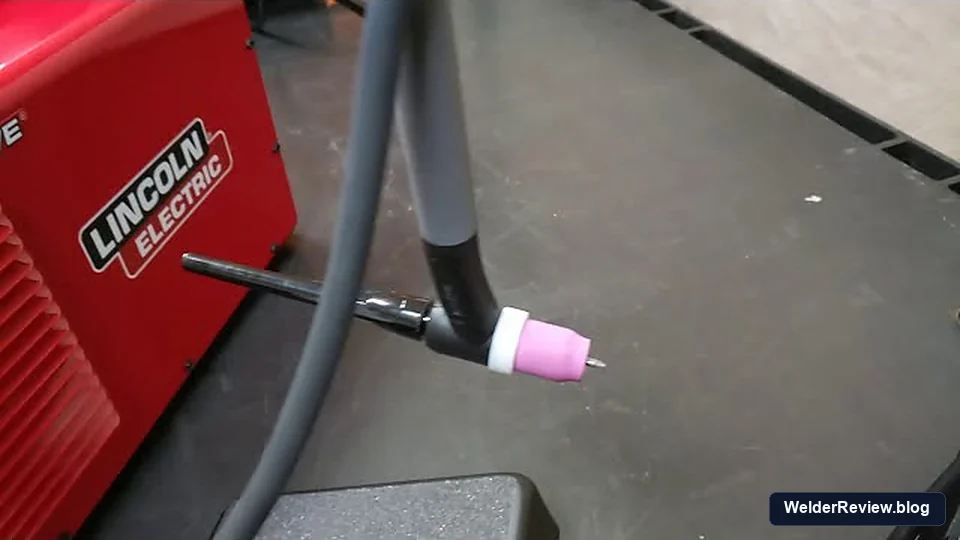
Internal component layout dictates how each machine handles thermal dissipation during extended welding sessions. Heavy-duty aluminum fabrication demands robust internal cooling fans and oversized transformers to prevent premature thermal overload shutdowns.
Chassis design also impacts overall shop mobility and benchtop footprint. Both units remain remarkably portable compared to legacy transformer machines, but their internal weight distributions and handle configurations offer distinct ergonomic advantages.
- Lincoln utilizes advanced digital signal processing for arc stability.
- Miller prioritizes analog potentiometer simplicity for rapid adjustments.
- Chassis housing utilizes heavy-gauge steel for impact protection.
- Cooling fan duty cycle management differs across internal layouts.
Inverter Topology and Power Conversion
Modern inverter designs allow both machines to operate efficiently from standard utility power lines while delivering high output amperage. High-frequency switching reduces transformer size drastically compared to older heavy transformer units.
Power factor correction circuits inside the Lincoln model enhance electrical efficiency under heavy loads. The Miller unit relies on a proven solid-state bridge to deliver steady current to the tungsten electrode.
- High-frequency switching frequencies exceed twenty kilohertz.
- Solid-state bridge rectifiers convert incoming alternating current safely.
Internal Cooling and Thermal Protection
Thermal management remains critical for maintaining high duty cycles during aluminum welding. Both welders feature automatic thermal shutdown sensors that protect sensitive insulated gate bipolar transistors from overheating.
Airflow channels direct cooling breezes across critical rectifiers and choke coils while shielding sensitive logic boards from grinding dust and metallic debris found in typical fabrication environments.
- Internal thermostats monitor heat sink temperatures continuously.
- Tunnel-style airflow isolates electronic components from abrasive dust.
Real-World Performance and Arc Quality
Welding performance defines the true value of any TIG machine on the shop floor. The Lincoln unit delivers crisp arc starts and exceptional puddle control across thin stainless steel and structural aluminum joints alike.
As highlighted in our Miller Diversion 180 review, this machine counters with an exceptionally smooth arc that minimizes tungsten spitting. Operators transitioning from stick welding find the interface very intuitive.
Arc stability under fluctuating line voltages separates premium inverters from budget alternatives. Both manufacturers incorporate line voltage compensation to keep your puddle fluid and consistent during heavy industrial power draws.
- Lincoln provides adjustable AC frequency for tighter arc cones.
- Miller features preset parameters that reduce initial setup guesswork.
- Both models ensure high-frequency arc initiation without contact contamination.
- Line voltage compensation prevents arc flutter during brownouts.
Aluminum TIG Performance and AC Controls
Welding aluminum successfully requires precise control over AC balance and output frequency. Lincoln lets operators adjust cleaning action and penetration profiles dynamically through an easy-to-use digital display panel.
Miller handles aluminum through simplified preset controls that optimize the cleaning window automatically. While less granular, this approach helps novice fabricators achieve clean oxide removal without complicated tuning.
- Adjustable AC frequency narrows or widens the cleaning arc cone.
- Automatic balance presets simplify routine aluminum joint fabrication.
DC Performance on Steel and Stainless
Direct current welding on carbon steel and austenitic stainless steel demands smooth, ripple-free arc characteristics. Both machines excel here, delivering stable arcs down to five amps for razor-thin sheet metal applications.
Pulsed DC capabilities on the Lincoln unit provide superior heat input control on heat-sensitive aerospace alloys. The Miller unit relies on steady DC output for robust root passes on thicker pipe.
- Low-amp starting aids thin-gauge stainless steel butt joints.
- Pulsed output reduces heat affected zones on alloy steels.
Control Interfaces and Usability
User interface design dictates how quickly an operator can transition between different joint configurations and material thicknesses. Lincoln opts for a comprehensive digital dashboard featuring clear LED readouts and membrane buttons.
Miller favors a streamlined analog control knob paired with a straightforward process selector chart. This minimalist approach reduces button fatigue and allows glove-friendly adjustments in cold or demanding shop environments.
Foot pedal responsiveness remains crucial for fine heat manipulation during complex out-of-position welding tasks. Both brands offer robust remote pedal options that connect securely via multi-pin amphenol receptacles.
- Digital displays provide exact amperage readouts prior to arc strike.
- Analog dials offer tactile feedback for rapid parameter changes.
- Multi-pin remote receptacles ensure reliable foot pedal connectivity.
Digital Dashboards Versus Analog Dials
Digital interfaces give professional welders exact numerical control over pre-flow, post-flow, and pulse parameters. This precision is invaluable when repeating certified welding procedures across multiple production shifts.
Analog layouts eliminate menu diving, letting operators dial in approximate amps and start welding immediately. This philosophy suits mobile repair contractors who value speed over microscopic parameter tuning.
- Digital menus store custom user memory presets securely.
- Analog knobs provide instant, zero-latency mechanical feedback.
Torch Ergonomics and Consumable Access
Torch comfort directly impacts weld quality during long production runs where hand fatigue can introduce arc wander. Both manufacturers bundle ergonomic air-cooled torches featuring flexible necks and durable rubber cable covers.
Consumable availability is excellent for both platforms, utilizing industry-standard collets, bodies, and alumina nozzles. Finding replacement tungsten electrodes or gas lenses at local welding supply stores remains effortless.
- Air-cooled torches reduce wrist strain during extended fabrication.
- Standard consumables simplify inventory management in the shop.
Input Power Versatility and Electrical Efficiency
Power supply flexibility determines where and how you can deploy your welding equipment on job sites. The Lincoln unit features dual-voltage capability, allowing seamless switching between 120V and 230V input lines.
Detailed in our Diversion 180 TIG welder review, Miller designed this competing unit for dedicated 230V service connections. Running on standard household circuits is limited, but heavy-duty high-voltage performance is stellar.
Power factor efficiency affects your monthly utility bills and prevents circuit breaker nuisance tripping. Modern inverter topologies in both machines ensure high conversion ratios that minimize wasted electrical energy.
- Dual-voltage plugs adapt to standard household and industrial outlets.
- Dedicated high-voltage circuits maximize available output amperage.
- High power factor ratings prevent unexpected breaker overloads.
Dual-Voltage Flexibility in the Field
Dual-voltage technology lets fabricators plug into residential 120V power for light repairs and switch to 230V shop circuits for heavier plate. This adaptability makes the Lincoln unit a favorite among mobile contractors.
Operating on 120V input inherently restricts maximum output amperage, requiring careful joint preparation on thicker materials. However, having the option to weld away from a dedicated shop drop cord is invaluable.
- Interchangeable twist-lock plugs simplify voltage transitions.
- Lower amperage ceilings apply when operating on standard 120V lines.
Generator Compatibility and Power Fluctuations
Field service work often requires running welding equipment off engine-driven portable generators. Both inverter power sources tolerate moderate voltage spikes and frequency variations common with commercial job site generators.
Clean power output from the generator protects internal inverter boards from voltage surges that can fry sensitive logic gates. Using a dedicated line conditioner is recommended for unstable power grids.
- Inverter tolerance handles minor generator THD variations.
- Surge protection guards sensitive microprocessors against voltage spikes.
Maintenance, Longevity and Build Quality
Long-term durability depends on protective internal coatings, chassis gauge thickness, and ease of routine upkeep. Lincoln constructs its outer shell from heavy-gauge galvanized steel coated with durable powder paint.
Miller utilizes impact-resistant composite corners and sturdy steel panels designed to withstand rough job site transport. Both machines resist corrosion effectively when stored in climate-controlled fabrication environments.
Routine maintenance involves periodic compressed air blowouts to remove accumulated conductive dust. Keeping printed circuit boards clean ensures uninterrupted arc starts and prevents electrical tracking across terminals.
- Powder-coated steel panels resist scratching and chemical corrosion.
- Composite corner guards absorb impact shock during mobile transport.
- Regular dust removal prevents internal electrical short circuits.
Chassis Construction and Impact Resistance
Shop floors subject welding gear to accidental impacts from rolling carts and dropped stock. The robust frame designs on these inverters protect delicate internal transformers and capacitors from shock damage.
Carrying handles are securely bolted directly to the main structural frame rather than plastic outer shells. This ensures safe crane or hand transport without risking housing failure under load.
- Structural steel frames protect internal transformers from drops.
- Reinforced handles support secure overhead or manual rigging.
Preventative Maintenance and Serviceability
Accessing internal components for troubleshooting or terminal tightening requires removing the outer wrap-around cover. Logical layout design ensures fuses, relays, and main circuit boards remain easily accessible.
Authorized service networks for both manufacturers are extensive, ensuring prompt parts availability and expert repair assistance if major electrical components ever fail outside of warranty.
- Removable housing panels simplify internal component inspection.
- Extensive dealer networks provide rapid access to replacement parts.
Workplace Ergonomics and Portability
Operator fatigue often stems from wrestling heavy welding leads, awkward machine placement, and cumbersome control layouts. Both welding units maintain compact profiles that fit easily onto standard dual-cylinder rolling carts.
Weight figures hover around forty pounds, allowing a single technician to load the machine into a service truck unassisted. Long power cords and flexible torch hoses further enhance everyday shop efficiency.
Noise levels during high-frequency arc stabilization remain well within acceptable occupational safety thresholds. Smart cooling fans only ramp up under heavy thermal loads, keeping shop environments remarkably quiet.
- Compact weight allows effortless one-handed truck loading.
- Smart cooling fans reduce idle noise in quiet workshops.
- Flexible torch leads minimize wrist torque during welding.
Benchtop Footprint and Cart Integration
Maximizing valuable workbench real estate is essential in crowded fabrication shops. These portable inverters take up minimal square footage, leaving ample room for layout tables and fitting fixtures.
Securing the machine to a dedicated rolling cart with a gas cylinder rack creates a mobile welding station. This setup streamlines workflow when moving between different projects in the shop.
- Small footprints preserve valuable workbench fabrication space.
- Cart mounting streamlines cylinder and cable management.
Cable Management and Lead Flexibility
Heavy copper welding leads can become stiff and difficult to manipulate in cold weather. High-strand-count copper cables supplied with these units remain remarkably flexible across diverse temperature ranges.
Quick-disconnect Dinse connectors allow rapid lead removal for secure storage or polarity reversal. This feature prevents terminal corrosion and speeds up teardown at the end of the shift.
- High-strand copper leads remain flexible in cold weather.
- Dinse connectors enable rapid cable removal and storage.
Which Option Fits Your Specific Shop Setup
Selecting the right welder depends entirely on your primary materials, available electrical service, and preference for digital versus analog controls. Professional fabrication shops tackling diverse alloys benefit immensely from advanced features.
Maintenance departments and mobile repair trucks often thrive with simplified machines that get straight to work without complicated menus. Evaluating your daily workflow highlights the clear winner for your shop.
Investing in quality TIG equipment pays dividends through reduced rework, superior bead aesthetics, and reliable uptime. Both machines represent the pinnacle of portable inverter engineering in their respective classes.
- Advanced shops benefit from digital waveform and frequency controls.
- Mobile repair crews appreciate simplified analog setup speed.
- Matching input power prevents costly electrical service upgrades.
Choosing the Lincoln Square Wave TIG 200
Read our Lincoln Square Wave TIG 200 review to see why it handles thin aluminum effortlessly. The dual-voltage input flexibility proves vital for mobile contractors needing reliable power on remote job sites.
Advanced fabricators appreciate the digital memory presets and pulse controls that elevate weld quality on critical alloy joints. It represents a complete, professional-grade fabrication package for versatile shops.
- Ideal for detailed aluminum fabrication and aerospace alloys.
- Dual-voltage capability adapts to changing job site power.
Choosing the Miller Diversion 180
Check our Miller Diversion 180 TIG power source review before buying. This machine features an ultra-reliable, simplified analog interface that gets you welding structural steel and aluminum rapidly without complications.
Maintenance shops and hobbyists who value straightforward operation over deep parameter customization will find this machine exceptionally satisfying. It delivers legendary arc quality without menu complications.
- Perfect for fast setup on dedicated shop power circuits.
- Simplified controls eliminate menu diving for busy operators.
Frequently Asked Questions
Can both welders run on standard household 120V power outlets?
The Lincoln model features dual-voltage capability for 120V use. The Miller unit requires a dedicated 230V circuit for full operation.
Which machine offers better control when welding thin aluminum sheet?
The Lincoln unit provides superior aluminum control via adjustable AC frequency. This lets you focus the arc cone precisely on thin joints.
Are standard TIG torch consumables compatible with both systems?
Yes, both machines utilize standard industry consumable parts. Finding replacement collets and alumina nozzles locally is very easy.
Do these welders include a foot pedal for remote amperage control?
Both manufacturers bundle quality remote foot pedals in the box. They connect securely using reliable multi-pin amphenol connectors.
What is the maximum metal thickness each machine can weld effectively?
Both units handle up to three-eighths inch material effectively. Multi-pass techniques are required for heavier structural plate fabrication.