Inverter Arc Welder vs Arc Welder: Concise Verdict
Modern welding relies on choosing between advanced solid-state electronics and time-tested magnetic coils. This guide analyzes both topologies to optimize your shop output.

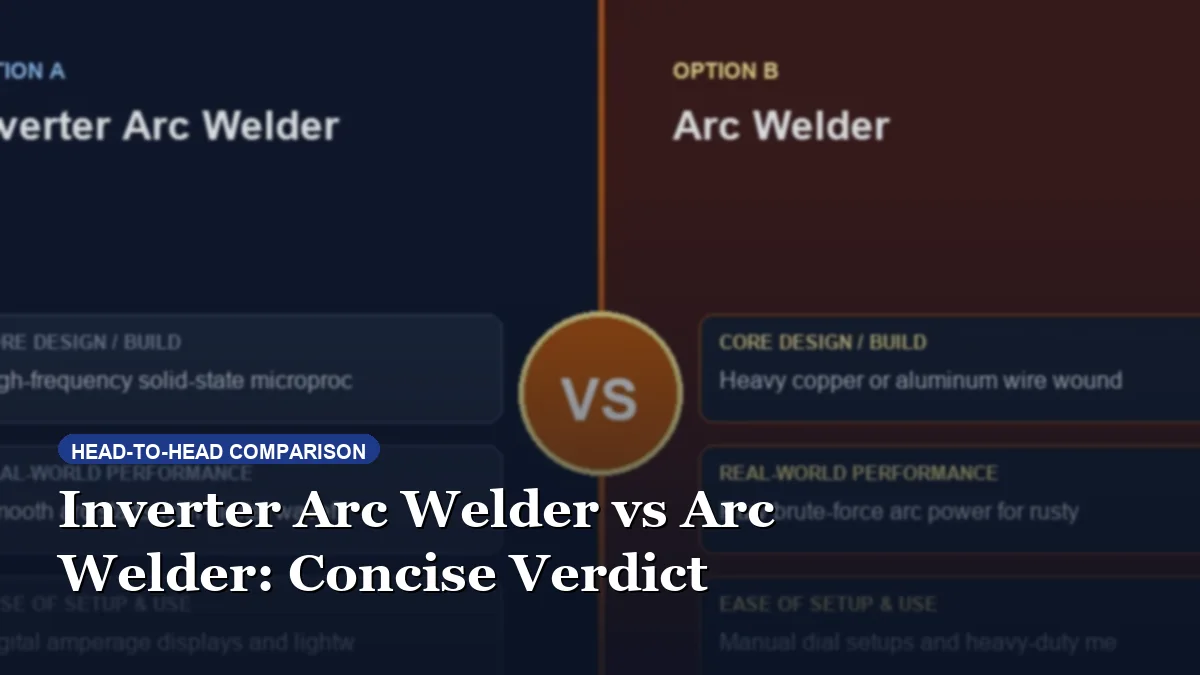
Choose the inverter if you prioritize portability and precise arc control for mobile fabrication tasks. Select the traditional arc welder when you need maximum ruggedness for heavy industrial steel construction.
Compare all top models in our Best Welder: Top Home Shop & Jobsite Picks Tested.
Side-by-Side Breakdown
| Criteria | Inverter Arc Welder | Arc Welder | Edge |
|---|---|---|---|
| Core Design / Build | High-frequency solid-state microprocessors and insulated-gate bipolar transistors | Heavy copper or aluminum wire wound transformer coils | Inverter Arc Welder |
| Real-World Performance | Smooth arc starts with digital waveform control capabilities | Raw brute-force arc power for rusty or dirty plate | Arc Welder |
| Ease of Setup & Use | Digital amperage displays and lightweight duty cycle controls | Manual dial setups and heavy-duty mechanical toggle switches | Inverter Arc Welder |
| Durability & Reliability | Sensitive circuit boards vulnerable to metal dust and moisture | Rugged steel chassis resistant to harsh jobsite environments | Arc Welder |
| Efficiency / Operating Footprint | High electrical efficiency exceeding eighty-five percent factor | Lower power conversion efficiency with higher idle draw | Inverter Arc Welder |
| Maintenance Requirements | Professional electronic board-level repairs required for failures | Simple mechanical maintenance and winding varnish touch-ups | Arc Welder |
| Best Ideal Use Case | Field repairs, mobile welding rigs, and precision sheet metal | Heavy structural steel fabrication and harsh shipyard environments | Inverter Arc Welder |
Core Architecture and Power Conversion
When shopping for portable fabrication gear, exploring options in our best inverter arc welder roundup helps technicians compare modern solid-state electronics against traditional heavy iron transformers effectively.
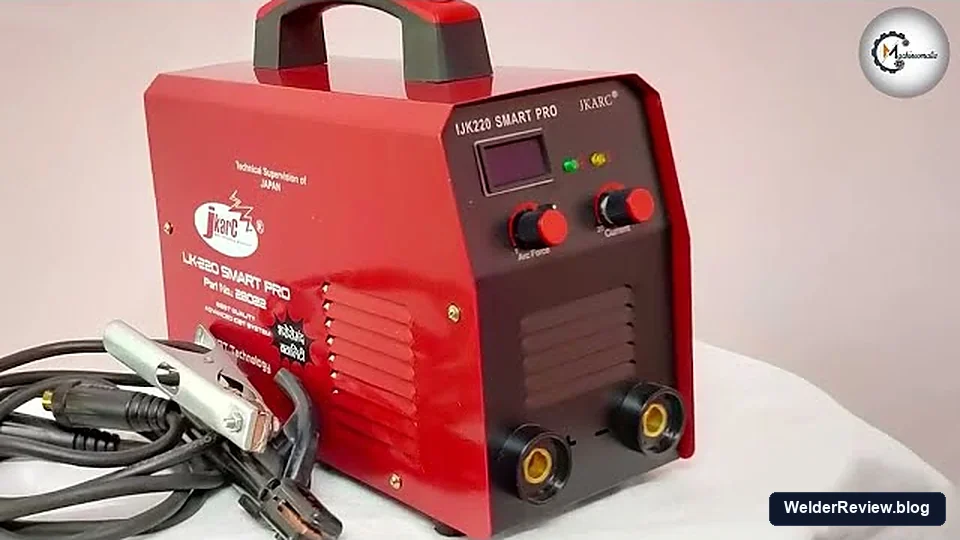
Traditional arc welders rely on heavy iron cores and copper or aluminum wire windings. These conventional machines step down line voltage directly through massive magnetic fields without electronic conversion.
Traditional transformer welders rely on heavy copper or aluminum core coils to step down line voltage at 60Hz. This brute-force magnetic induction creates substantial thermal mass and unavoidable energy losses through heavy core saturation.
Inverter machines rectify incoming AC line power to DC, then use solid-state IGBT transistors to chop the voltage at frequencies exceeding 20kHz. This high-frequency switching drastically shrinks transformer physical size and weight.
- Solid-state inverters operate at frequencies exceeding twenty thousand hertz to deliver rapid arc response times and superior current regulation across all standard structural steel joints.
- Conventional transformer units use massive copper windings that generate substantial thermal mass but suffer from heavy electrical losses during standard voltage reduction cycles.
Transformer Physics
Traditional magnetic coils convert power through raw electromagnetic induction at standard line frequencies. This brute-force method creates exceptional resilience against line voltage spikes but adds immense dead weight.
Understanding this foundational electrical difference helps fabricators appreciate why older transformer machines withstand brutal jobsite abuses that might fry delicate modern circuit boards.
- Electromagnetic induction provides natural resistance to power surges.
- Copper mass absorbs and dissipates operating heat effectively.
Arc Stability and Performance
Units tested in our best inverter welder for 6010 evaluation deliver exceptional arc stability through advanced microprocessors monitoring voltage drops. These digital controls virtually eliminate electrode sticking by instantly boosting amperage.
Traditional arc welders provide a softer, more forgiving arc column powered by natural magnetic inductance. Experienced welders often prefer this organic response when manipulating cellulosic or low-hydrogen electrodes.
Heavy transformer systems output raw 60Hz AC or unfiltered DC, leading to noticeable arc zero-crossings and potential electrode sticking. Their steady open-circuit voltage lacks the rapid dynamic response required for ultra-smooth puddle control.
Microprocessor-controlled inverters continuously monitor voltage and amperage drops in milliseconds. They automatically apply hot start and arc force boosts, instantly stabilizing the electrical arc against fluctuating manual hand movements.
- Digital signal processors inside modern inverters allow precise arc force tuning and highly adjustable hot start parameters for flawless overhead metal transfer.
- Conventional transformer units rely on inherent mechanical circuit inductance to maintain steady arcs without digital interference or complex electronic feedback loops.
Portability, Weight, and Ergonomics
Inverter arc welders revolutionized mobile fabrication by dropping machine weights below thirty pounds easily. Welders can sling these compact power sources over their shoulders for elevated structural work.
Traditional arc welders remain anchored to heavy-duty carts due to massive internal copper and iron assemblies weighing over one hundred pounds. Transporting them requires dedicated vehicles and equipment trailers.
Conventional heavy-duty stick welders frequently exceed eighty pounds, requiring dedicated shop carts and strenuous lifting. Transporting these bulky steel-cased units across crowded jobsites strains lower backs and complicates mobile maintenance operations.
Modern inverter welders typically weigh under twenty pounds, allowing operators to sling them comfortably over one shoulder. This supreme ergonomic advantage enables effortless ladder work and tight spatial maneuvers without heavy equipment fatigue.
- Lightweight inverter designs drastically reduce physical strain during daily transport across multi-level construction sites and cramped residential repair service calls.
- Heavy transformer cabinets demand sturdy caster wheels and permanent shop placement to prevent accidental tipping or severe lifting back injuries.
Electrical Efficiency and Duty Cycle
Solid-state inverters achieve remarkable electrical efficiencies exceeding eighty-five percent during heavy welding operations. This efficiency translates to lower monthly utility bills and reduced strain on standard breakers.
Conventional arc machines exhibit lower power factors and consume considerable idle current just remaining powered on. Their massive copper coils generate substantial heat waste during extended welding sessions.
Standard transformer units often operate at a low conversion efficiency of roughly fifty to sixty percent. They draw continuous high idle current from the shop breaker even when the welding electrode is completely unlit.
Inverters boast conversion efficiencies exceeding eighty-five percent, directly lowering monthly utility bills under heavy industrial workloads. Their advanced thermal management also delivers a higher duty cycle relative to total equipment chassis volume.
- High-efficiency inverters draw less amperage from standard input lines, allowing operation on smaller gauge extension cords without dangerous voltage drop.
- Traditional transformer units require robust dedicated electrical drops to handle their high primary current demands and inherent utility power factor penalties.
Durability, Environment, and Reliability
Traditional arc welders reign supreme in harsh industrial environments filled with conductive grinding dust, moisture, and extreme temperatures. Their simple electromagnetic components resist failure under brutal operating conditions.
Inverter arc welders feature sensitive printed circuit boards that remain vulnerable to airborne metallic debris and high humidity. Proper filtration and regular internal cleaning are mandatory for longevity.
Simple copper-wound transformer circuits feature fewer delicate electronic components, offering exceptional resilience against extreme physical impacts and airborne conductive dust. They withstand harsh outdoor construction environments with minimal risk of catastrophic board failure.
Inverter machines incorporate sensitive printed circuit boards that demand robust conformal coating against moisture and metallic debris. Maintaining adequate internal airflow clearance remains essential to prevent premature thermal shutdown on remote jobsites.
- Rugged transformer housings easily withstand physical impacts and severe weather conditions that would instantly compromise delicate solid-state electronic inverter enclosures.
- Inverter circuit boards require protective conformal coatings and clean operating environments to prevent catastrophic electrical short circuits from accumulated shop debris.
Maintenance, Repairs, and Lifespan
Repairing units featured in our best inverter stick welder guide typically involves replacing expensive microchip boards rather than hand-spinning copper coils. These repairs demand specialized diagnostic equipment and skilled technician labor.
Conventional arc welders offer exceptional longevity because skilled local technicians can easily rewind transformer coils or replace basic analog switches. They often run reliably for several decades.
Traditional welding transformers feature rugged mechanical switches and heavy cables that endure decades of continuous use with basic terminal cleaning. Field repairs typically involve simple coil rewinding or replacing heavy-duty mechanical contactors.
Inverter repairs usually require complete circuit board replacement by qualified technicians once solid-state components fail. Their complex electronics generally result in a shorter operational lifespan compared to virtually indestructible legacy transformer machines.
- Solid-state electronics typically exhibit shorter operational lifespans when exposed to continuous thermal cycling and heavy industrial vibration over many years.
- Legacy transformer machines can often be repaired indefinitely using basic hand tools and simple electrical continuity testing shop equipment.
Selecting the Right Machine for Your Shop
Choosing between these two welding technologies depends entirely on your specific mobile fabrication requirements and environmental conditions. Mobile contractors benefit immensely from lightweight inverter versatility and precision.
Stationary fabrication shops dealing with thick structural plate and harsh environments will find traditional arc welders offer unbeatable long-term value and rugged reliability.
Select a traditional transformer machine if your primary work involves stationary structural steel fabrication in dirty, high-impact environments. These heavy units provide unmatched physical durability and a proven legacy reliability profile.
Choosing models from our best budget inverter welder review gives fabricators superior arc modulation and frequent shop mobility. Their precise microprocessor control optimizes weld quality across diverse thin-gauge and heavy materials.
- Evaluate your workspace carefully to determine whether electrical efficiency or environmental ruggedness matters most for your daily heavy metal fabrication projects.
- Assess your portability needs before purchasing to ensure your chosen welding machine matches your typical jobsite travel and vehicle transportation demands.
Frequently Asked Questions
Can inverter arc welders run on standard household generators?
Yes, modern inverters often feature voltage compensation technology that handles fluctuating generator power safely. However, always verify your generator wattage exceeds the maximum draw of the machine.
Why do traditional arc welders weigh so much more?
Traditional machines rely on massive copper transformer coils to step down line voltage through raw magnetic induction. This heavy physical core is necessary to handle high continuous electrical loads.
Are inverter arc welders more expensive to maintain over time?
Out-of-warranty electronic board failures can be costly and require specialized technician repair services. Conversely, traditional machines offer simple mechanical designs that local shops can easily fix.
Which welder provides better arc stability for beginners?
Inverters generally offer superior arc stability thanks to digital microprocessors that instantly prevent electrode sticking. This technological assistance makes learning stick welding much easier for novices.
Can traditional arc welders operate outdoors in damp weather?
Yes, heavy-duty transformer units handle moisture and harsh outdoor elements much better than sensitive electronics. They feature rugged steel enclosures built for demanding industrial construction sites.