Engine Driven Welder vs Generator and Inverter: Field Guide
Choosing remote power requires evaluating duty cycles and fuel needs. This guide compares integrated engine welders against modular generator and inverter setups.

Choose the integrated engine welder for heavy mobile fabrication and rugged pipeline work. Select the generator and inverter combo when you need flexible multi-tool utility and easier modular transport.
Compare all top models in our Best Welder: Top Home Shop & Jobsite Picks Tested.
Side-by-Side Breakdown
| Criteria | Engine Driven Welder | Generator And Inverter | Edge |
|---|---|---|---|
| Core Design / Build | Single unit with direct-coupled engine and generator. | Separate portable generator paired with an inverter. | Engine Driven |
| Real-World Performance | High amperage output with exceptional arc stability. | Clean auxiliary power but relies on inverter specs. | Engine Driven |
| Ease of Setup & Use | Heavy footprint requiring dedicated truck bed space. | Modular components that load and unload easily. | Generator and Inverter |
| Durability & Reliability | Built to withstand severe industrial jobsite abuses. | Inverter electronics require protection from dust. | Engine Driven |
| Efficiency / Operating Footprint | Burns fuel constantly even during low idle states. | Inverter draws precise power matching the load. | Generator and Inverter |
| Maintenance Requirements | Combines engine upkeep with heavy electrical checks. | Separate engine and electronic maintenance tracks. | Generator and Inverter |
| Best Ideal Use Case | Dedicated mobile pipeline and heavy field service. | Versatile maintenance trucks and general fabrication. | Tie / Depends on Use |
Core Design and Engineering Architecture
Selecting the best engine driven welder for the money means choosing a unit that combines a combustion motor with an internal alternator. This direct-coupled design eliminates mechanical power losses.
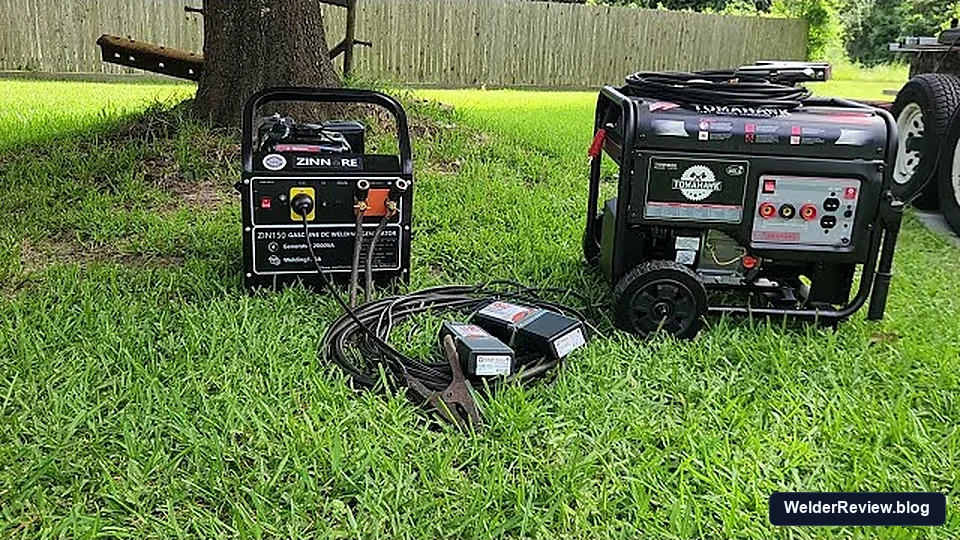
Conversely, pairing a standard jobsite generator with a separate welding inverter creates a modular power ecosystem. Operators can disconnect the units, utilizing the generator for auxiliary site power alone.
Engine-driven welders integrate heavy-duty copper windings directly onto a shared rotor shaft, eliminating mechanical transmission losses. This robust architecture withstands severe industrial vibration per ISO 10816 standards without degrading electrical output.
Conversely, standard portable generators paired with separate inverter welders rely on dual conversion stages. While versatile, this decoupled approach introduces potential points of failure within intermediate rectifier circuits during heavy arc strikes.
- Engine driven units use custom multi-pole alternators optimized specifically for welding arcs.
- Inverter setups rely on clean sine wave generator output to protect sensitive microprocessors.
- Modular configurations allow independent replacement of failed components without swapping systems.
Alternator Versus Generator Power Delivery
Welding alternators inside engine driven machines produce high-amperage DC output rapidly. They manage sudden arc strikes smoothly without dropping voltage below acceptable thresholds.
Inverter units require a stable AC source from the generator to transform voltage. Any frequency fluctuation from the generator can cause micro-interruptions in the welding arc.
- Engine alternators feature heavy copper windings built for high thermal endurance.
- Inverters convert high-frequency AC to DC with advanced solid-state circuitry.
Real-World Performance and Arc Stability
Field performance relies heavily on how each system handles sudden electrical loads, especially when utilizing the best welder for steel and aluminum. Engine units excel during aggressive structural carbon gouging.
Modular inverter combinations offer exceptional arc control features like hot start and arc force. However, their performance depends entirely on the clean power delivery of the host generator.
Dedicated engine drives deliver superior dynamic response, instantly adjusting excitation current when the electrode touches the workpiece. This prevents annoying arc outages during aggressive cellulose 6010 root passes on rusty pipe.
Generator-inverter combos manage arc stability through internal microprocessors, filtering raw AC power into clean DC output. However, rapid load transients can occasionally trigger over-voltage protection limits on sensitive electronic components.
- Engine machines maintain steady voltage during long structural multi-pass welds.
- Inverter systems allow precise digital amperage adjustments down to the single digit.
- Voltage drops from overloaded generators can cause electrode sticking on inverters.
Handling Heavy Duty Cycles in the Field
Industrial engine driven welders often feature hundred percent duty cycles at high amperages. This thermal capacity prevents overheating during continuous pipeline construction operations.
Portable inverters paired with generators usually have lower sustained thermal thresholds. Operators must monitor generator capacity carefully to avoid tripping thermal overload protections.
- Engine units incorporate large cooling fans driven directly by the crankshaft.
- Inverters rely on internal solid-state thermal switches to prevent circuit burnout.
Fuel Efficiency, Run Time, and Operational Footprint
Fuel consumption remains a critical economic factor for remote mobile welding operations. Engine driven welders consume substantial diesel or gasoline even when idling between fabrication welds.
Generator and inverter setups provide greater flexibility regarding fuel consumption profiles. You can run smaller generators at optimized RPMs or shut them down entirely when welding stops.
Modern diesel engine drives feature smart idle control systems that automatically drop engine RPM during non-welding intervals. This engineering preserves fuel reserves and extends overall maintenance intervals on remote job sites.
Gasoline generators running separate inverter units often operate at fixed speeds to maintain clean frequency output. Consequently, fuel consumption remains higher when idling between intermittent structural tack welds and heavy assembly sequences.
- Auto-idle features on engine welders reduce fuel burn during non-welding intervals.
- Inverter efficiency converts a higher percentage of input wattage directly to the arc.
- Running a massive generator just to power a small inverter wastes significant fuel.
Auxiliary Power Capacities on Remote Jobsites
Most modern engine driven welders double as robust auxiliary power generators. They supply thousands of watts for angle grinders, plasma cutters, and jobsite lighting simultaneously.
Standalone generators dedicated to powering inverters often offer clean dual-purpose utility. You can disconnect the welding inverter and power sensitive electronic tools with absolute safety.
- Engine welders provide simultaneous welding and auxiliary power without interference.
- Inverter generators produce clean THD levels safe for sensitive computer tools.
Maintenance Schedules and Field Serviceability
Maintaining any top-tier best engine driven welder requires managing a single complex machine. Technicians must service the combustion motor and internal alternator housed beneath one heavy enclosure.
Modular setups divide maintenance tasks across two distinct standalone mechanical devices. If the generator engine fails, you can replace it without losing your investment in the welding inverter.
Integrated engine drives require consolidated servicing encompassing oil filtration, fuel separators, and brush inspections. Mechanics appreciate having a single mechanical platform to inspect during routine preventive maintenance operations.
Separated generator and inverter configurations demand distinct upkeep routines across two separate machines. Technicians must monitor engine hour meters alongside electronic cooling fans and delicate internal circuit board connections.
- Engine systems require routine oil changes, filter replacements, and belt inspections.
- Inverters demand clean internal circuit boards free from conductive metal dust.
- Standalone generators make engine top-end repairs much easier due to open access.
Troubleshooting Electrical and Mechanical Faults
Diagnosing issues on engine welders requires knowledge of both small engines and heavy electrical windings. Multimeters and clamp meters are essential tools for tracking down excitation voltage failures.
Troubleshooting inverter systems is generally more modular and straightforward. Technicians can quickly swap out a malfunctioning inverter while keeping the primary generator running smoothly.
- Engine brushes and slip rings require periodic cleaning and inspection.
- Inverter fault codes simplify digital troubleshooting for modern electronics.
Portability, Ergonomics, and Rig Integration
Engine driven welders are massive, heavy assemblies designed for permanent truck bed mounting. Their substantial weight requires heavy-duty suspension upgrades and dedicated lifting equipment for service.
Generator and inverter combinations offer superior modular portability for diverse work trucks. A single worker can load separate components into standard pickup beds without heavy machinery.
Heavy engine-driven welders demand reinforced truck beds and heavy-lifting equipment for safe transport between active construction zones. Their substantial mass provides stability on uneven terrain but limits rapid manual repositioning.
Conversely, lighter portable generators and compact inverters offer exceptional modular ergonomics for mobile crews. Workers can easily load individual components into standard service trucks or carry them up scaffolding stairs.
- Engine units demand reinforced tie-down points for safe highway transportation.
- Inverter units feature compact carrying handles and lightweight aluminum chassis builds.
- Modular setups reduce vehicle payload weight limits significantly across fleets.
Workspace Flexibility and Jobsite Navigation
Navigating tight residential jobsites with a heavy engine-driven rig can prove difficult. The sheer size of the vehicle limits access to confined backyards and narrow alleys.
Inverter and generator kits can be carted directly to remote work zones. Operators can wheel the inverter close to the workpiece while leaving the generator further back.
- Long welding lead extensions compensate for immobile truck-mounted engine units.
- Portable inverters let operators work in elevated scaffolding with ease.
Choosing Your Mobile Welding Power Setup
Selecting the right equipment depends entirely on your primary daily operational demands. Heavy pipeline contractors and structural fabricators benefit immensely from rugged engine driven welders.
General maintenance contractors and mobile repair specialists often prefer generator and inverter combos. This approach maximizes transport flexibility and adapts easily to changing project scopes.
Selecting the optimal configuration requires careful evaluation of your duty cycle demands and daily operational environments. Industrial pipe welding heavily favors dedicated engine drives for continuous amperage output and durability.
Lighter maintenance tasks and general fabrication often benefit from generator-inverter systems due to multi-purpose utility on jobsites. Assess your primary power requirements before finalizing any major fleet equipment investment decision.
- Evaluate your typical amperage demands and daily duty cycle requirements first.
- Consider vehicle weight limits and available bed space on your service truck.
- Factor in local fuel costs and auxiliary power needs for optimal ROI.
Final Investment and Long-Term Value
Investing in robust fabrication tools, much like choosing the best tig welder for aluminum and stainless steel, guarantees decades of heavy commercial service life. These industrial machines retain exceptional resale value due to rigorous construction standards.
Modular setups offer lower initial entry costs and easier upgrade paths over time. You can upgrade your inverter technology later while keeping your reliable workhorse generator.
- Engine welders withstand harsh weather and corrosive coastal environments well.
- Inverter modularity protects your budget from total system obsolescence.
Frequently Asked Questions
Can a standard generator power a welding inverter?
Yes, provided the generator outputs clean sine wave power matching the inverter requirements. Always verify that the generator wattage capacity exceeds the inverter draw.
Are engine driven welders louder than portable generators?
Engine driven welders typically generate higher noise levels due to their large displacement motors. Modern units feature advanced acoustic enclosures to mitigate jobsite sound.
Which option is better for mobile structural repair work?
Engine driven welders are generally preferred for heavy structural work due to high duty cycles. They deliver unmatched arc stability during extended multi-pass welding operations.
How do maintenance costs compare between both setups?
Engine welders require maintaining a single heavy combustion motor and internal alternator. Modular generator kits split maintenance across separate mechanical and electrical components.
Can I run plasma cutters off an engine driven welder?
Most engine driven welders include auxiliary power outlets suitable for plasma cutting. Ensure the auxiliary generator wattage matches your specific plasma cutter demands.