Arc Welder vs Flux Welder: Comprehensive Comparison Guide
Choosing between shielded metal arc and flux-cored processes defines your structural fabrication efficiency. Understand core performance traits to select the right tool.

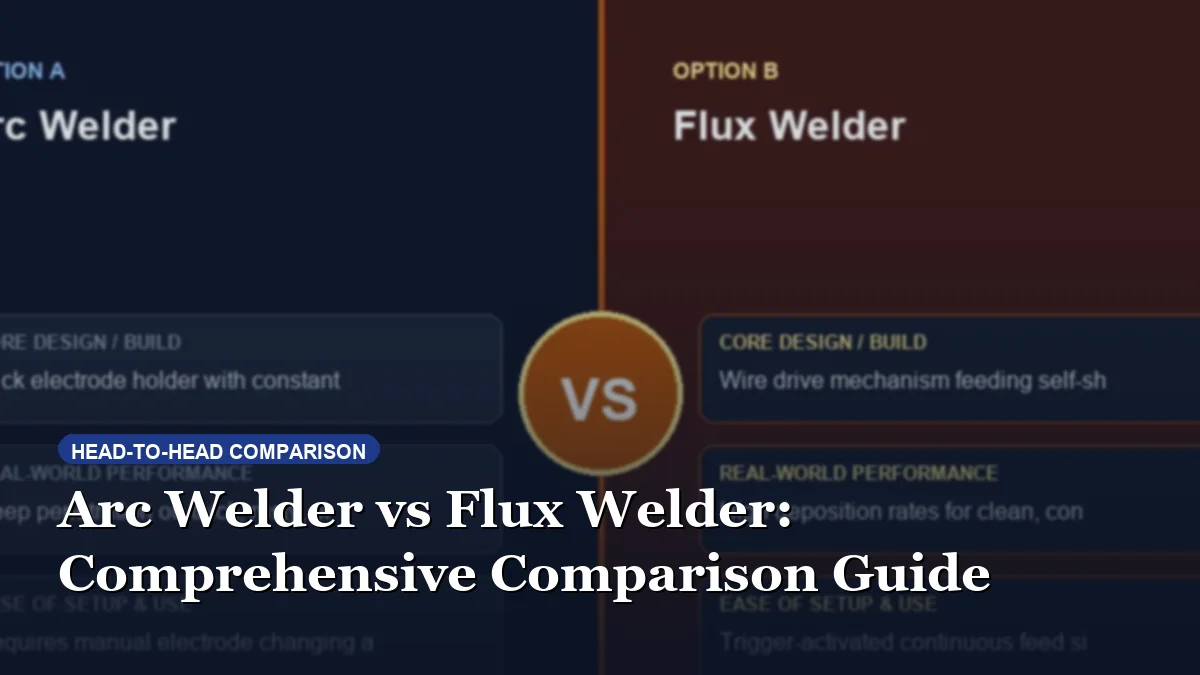
Pick Arc Welders for heavy outdoor structural repairs, while Flux Welders excel at rapid indoor production speed without external gas bottles.
Compare all top models in our Best Welder: Top Home Shop & Jobsite Picks Tested.
Side-by-Side Breakdown
| Criteria | Arc Welder | Flux Welder | Edge |
|---|---|---|---|
| Core Design / Build | Stick electrode holder with constant current transformer architecture. | Wire drive mechanism feeding self-shielded tubular consumable wire. | Flux Welder |
| Real-World Performance | Deep penetration on thick, rusty, or dirty steel plates. | High deposition rates for clean, continuous fillet welds. | Arc Welder |
| Ease of Setup & Use | Requires manual electrode changing and precise arc striking skill. | Trigger-activated continuous feed simplifies the welding process. | Flux Welder |
| Durability & Reliability | Heavy-duty internal transformers withstand harsh weather elements. | Complex wire-feed electronics need protection from moisture and dust. | Arc Welder |
| Efficiency / Operating Footprint | Higher electrical draw with lower overall deposition speed. | Faster travel speeds with minimal downtime for electrode swaps. | Flux Welder |
| Maintenance Requirements | Minimal upkeep focused on lead connections and electrode holders. | Regular cleaning of drive rolls, contact tips, and liners. | Arc Welder |
| Best Ideal Use Case | Heavy farm machinery repairs and outdoor structural steel erection. | Shop fabrication, automotive body panels, and utility projects. | Flux Welder |
Why Choose Arc and Flux Systems
When comparing arc welding systems to flux units, operators must evaluate duty cycles, penetration depth, and power requirements carefully before committing to a specific setup on site.
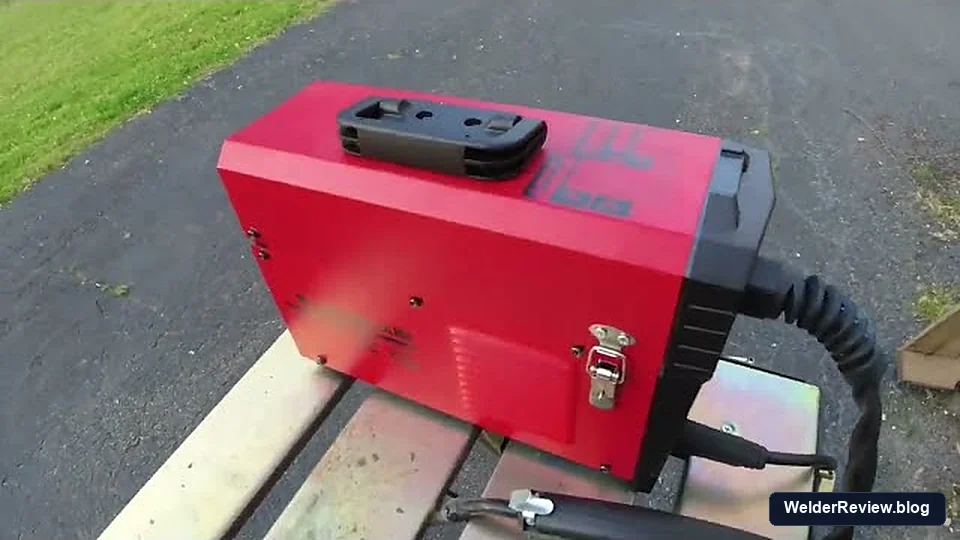
Understanding fundamental electrical principles ensures safer operation and better weld puddle control across varied steel thicknesses, joint configurations, and demanding environmental conditions encountered daily.
Professional fabricators often maintain both machine types in their service trucks to handle unpredictable field demands without compromising structural integrity or slowing down project timelines.
Selecting between Shielded Metal Arc Welding and flux-cored wire processes requires evaluating joint geometry, base metal thickness, and workspace ventilation. AWS D1.1 structural standards mandate proper parameter verification before production welding begins.
Arc systems excel in outdoor repair applications where heavy wind gusts displace shielding gas streams. Constant current output provides stable arc characteristics across varying arc lengths, minimizing operator fatigue during long fabrication shifts.
Conversely, self-shielded flux-cored setups offer higher deposition rates for carbon steel plate assembly. Operators must clean slag thoroughly between passes to prevent slag inclusions that compromise structural weld integrity under load.
- Shielded metal arc systems rely on consumable flux-coated electrodes.
- Flux-cored machines utilize continuous tubular wire feeds.
- Power source architecture dictates duty cycle and portability.
Core Operational Mechanics
Shielded metal arc welding creates an electric arc between a coated rod and the workpiece, generating protective slag instantly.
Flux-cored processes trap the shielding compounds inside a hollow tubular wire, burning off steadily during the continuous feed cycle. Review options in our best flux core welder for beginners guide before purchasing a reliable starter machine.
- Manual rod replacement limits continuous bead length.
- Automatic wire feeding maximizes overall shop productivity.
Find the Best Fit for Any Field Role
Selecting the ideal welding apparatus for remote field assignments requires balancing generator capacity, weather resistance, and consumable availability in distant supply yards.
Mobile repair technicians frequently prioritize robust arc units because they tolerate rough transit and operate reliably in high winds without losing gas shielding.
Conversely, mobile fabrication crews tackling repetitive sheet metal tasks benefit immensely from continuous wire delivery. Check out our best budget flux core welder choices for cost-effective shop efficiency upgrades.
Mobile technicians servicing remote agricultural machinery often prefer lightweight stick inverters running on generator power. Proper input voltage matching prevents premature transformer failure on rural job sites lacking steady grid stability.
Structural steel erectors working at heights benefit from semi-automatic wire feed systems featuring knurled drive rolls. These specialized components prevent crushing tubular flux-cored wires while ensuring consistent filler metal delivery.
Maintenance crews operating inside confined industrial vessels must prioritize units with integrated thermal overload protection. Regular maintenance checks of primary power cables and ground clamps ensure continuous compliance with safety regulations.
- Remote maintenance calls demand rugged, weather-resistant transformers.
- Field fabrication trucks require stable auxiliary generator power.
- Consumable storage must protect electrodes from ambient moisture.
Remote Deployment Considerations
Harsh outdoor environments test the physical durability of electrical switches, cooling fans, and external copper cable insulation.
Selecting moisture-resistant electrode coatings prevents hydrogen cracking during structural repairs on critical infrastructure projects.
- Inspect rubber insulation for cracking before deployment.
- Store low-hydrogen electrodes in heated storage ovens.
Sign Up for Technical Equipment Updates
Staying informed about evolving welding standards, safety bulletins, and equipment recalls keeps your workshop compliant with current industrial regulations and occupational guidelines.
Subscribing to manufacturer technical bulletins delivers vital firmware updates, maintenance schedules, and best-practice guides straight to your professional engineering inbox.
Knowledge sharing among certified welding inspectors helps teams mitigate common metallurgical defects before structural components leave the fabrication facility floor.
Staying informed on evolving metallurgy and welding standards helps professionals maintain peak operational efficiency. Subscribing to our technical bulletins delivers latest electrode classifications and machine calibration tips directly to your inbox.
Engineering guidelines update frequently to reflect new alloy developments and safety mandates. Reviewing these curated technical briefs ensures your shop adheres to current ANSI Z49.1 safety codes for ventilation and personal protection.
Subscribers gain early access to comprehensive equipment teardowns and maintenance schedules. Implementing recommended preventive care routines significantly extends the service life of your heavy-duty industrial power sources.
- Receive monthly safety notices and equipment calibration guides.
- Track regulatory changes affecting structural steel fabrication.
- Access downloadable troubleshooting flowcharts for complex repairs.
Information Management Channels
Digital subscription portals allow foremen to distribute crucial safety documentation across multiple shift supervisors simultaneously and efficiently.
Archiving digital maintenance logs ensures full traceability for quality assurance audits and mandatory third-party structural inspections.
- Centralize safety manuals on secure cloud drives.
- Automate recurring equipment inspection reminders.
Manage Your Equipment and Account
Effective asset tracking reduces downtime by ensuring replacement contact tips, drive rolls, and electrode holders remain fully stocked in inventory.
Modern welding operations rely on organized equipment profiles to monitor operating hours, schedule preventative maintenance, and track calibration certificates.
Keeping accurate service records protects capital investments and extends the operational lifespan of expensive transformer-based and inverter power sources.
Tracking equipment service logs and consumable inventories prevents costly project downtime on demanding industrial contracts. Organizing your digital asset registry helps schedule annual calibration checks for critical welding power sources.
Account dashboards provide centralized access to warranty documentation, user manuals, and replacement part diagrams. Maintaining accurate records of your machine serial numbers expedites technical support inquiries and warranty claims.
Fleet managers can monitor operator certification renewals and equipment allocation across multiple job sites. Proper inventory governance minimizes loss and ensures all deployed hardware meets strict OSHA compliance standards.
- Log daily operating hours to schedule timely brush inspections.
- Maintain inventory thresholds for high-wear replacement components.
- Store warranty documentation and electrical schematics securely.
Preventative Maintenance Tracking
Routine internal cleaning removes conductive metal dust that can short out sensitive circuit boards inside modern inverter welders.
Lubricating drive motor gearboxes prevents premature mechanical wear during high-volume production shifts in busy fabrication shops.
- Blow out dust accumulation using dry compressed air.
- Check welding lead connections for thermal discoloration.
Explore Other Products and Accessories
Completing your welding station requires investing in high-quality personal protective equipment, heavy leather gloves, and auto-darkening helmets.
Upgrading standard ground clamps and electrode holders to heavy-duty bronze variants significantly improves electrical conductivity and arc stability.
Specialized chipping hammers, stainless steel wire brushes, and magnetic positioning squares streamline slag removal and joint alignment procedures.
Upgrading your protective gear enhances workplace safety and reduces long-term physical strain during fabrication. Selecting auto-darkening welding helmets with true color optics improves puddle visibility and joint tracking accuracy.
High-frequency tungsten inert gas torches and plasma cutting systems complement existing shop capabilities. Pairing your power source with heavy leather welding jackets provides essential protection against ultraviolet radiation and spatter.
Precision chipping hammers, stainless steel wire brushes, and magnetic angle holders complete your toolkit. Investing in rated ground clamps ensures optimal electrical conductivity and reduces the risk of arc blow.
- Invest in auto-darkening helmets with variable shade controls.
- Replace worn ground clamps to eliminate intermittent arc strikes.
- Use certified lifting lugs for moving heavy steel weldments.
Consumable Storage Solutions
Protecting flux-cored wire spools from humidity prevents porosity and erratic arc behavior during critical structural welding operations. Explore our best 110v flux core welder roundups to find compact equipment options for your workspace.
Sealed plastic storage containers and portable electrode ovens maintain optimal moisture levels for professional welding consumables.
- Keep partial wire spools in sealed moisture barrier bags.
- Monitor internal storage temperatures using digital hygrometers.
We Are Here When You Need Us
Technical support teams assist fabricators with troubleshooting erratic arc behavior, high spatter levels, and incorrect wire feed tension settings.
Accessing expert guidance minimizes costly project delays when unexpected equipment faults occur on critical construction sites or remote workshops.
Experienced technicians provide valuable advice regarding optimal amperage ranges, shielding gas selections, and joint preparation techniques.
Technical support teams assist fabricators with troubleshooting complex arc instability and wire feed issues. Experienced technicians diagnose voltage drop anomalies to restore your welding system to manufacturer specifications quickly.
Customer assistance extends to selecting the correct electrode classification for exotic alloy applications. Prompt guidance on duty cycle limits prevents accidental equipment burnout during heavy structural production runs.
Reliable communication channels ensure you receive accurate answers regarding maintenance procedures and safety protocols. Our engineering staff remains committed to supporting your continuous weld quality and operational productivity.
- Contact factory support for electrical schematic interpretations.
- Consult application engineers regarding specialized alloy welding.
- Access emergency troubleshooting guides via mobile devices.
Field Technical Assistance
Quickly diagnosing transformer overheating or drive motor stalls gets your production line moving again with minimal financial impact.
Experienced field specialists help operators fine-tune voltage settings to overcome voltage drop on long extension cords.
- Verify primary input voltage before calling support.
- Keep serial numbers handy for rapid parts lookup.
A Journey of Professional Weld Quality
Mastering either welding process demands consistent practice, strict adherence to safety protocols, and a thorough understanding of metallurgy.
Evaluating joint penetration, bead profile, and heat-affected zones ensures that finished weldments meet rigorous industrial strength standards.
Continuous skill development transforms novice operators into certified professionals capable of tackling complex structural fabrication challenges.
Mastering both stick and flux-cored processes transforms an ordinary fabricator into an elite welding professional. Browse our best beginner flux core welder reviews to build essential garage fabrication skills.
Documenting weld discontinuities and performing destructive bend tests validate your ongoing skill progression. Evaluating macro-etch samples reveals critical insights into penetration profiles and fusion characteristics across different joints.
Pursuing advanced certifications elevates your career opportunities within heavy industry and structural engineering sectors. Dedication to metallurgical understanding guarantees superior results on every demanding structural welding project.
- Practice stringer beads on scrap plate to improve muscle memory.
- Examine macro-etched cross sections to verify penetration depth.
- Pursue advanced certifications for specialized alloy welding.
Continuous Skill Enhancement
Advanced training programs focus on recognizing welding defects early and correcting travel speed before flaws compromise integrity.
Mentorship from veteran welders accelerates practical learning curves for apprentices entering heavy industrial construction environments.
- Review radiographic test results with senior inspectors.
- Study welding procedure specifications before every shift.
Frequently Asked Questions
Which machine is better for outdoor repairs?
An arc welder excels outdoors because wind cannot blow away the protective slag layer. This makes it superior for remote field fixes.
Can flux-cored wire weld without gas?
Yes, self-shielded flux-cored wire generates its own gas shield. This eliminates the need for heavy external compressed gas cylinders.
Which process is easier for complete beginners?
A flux welder is typically easier to learn because of the trigger-activated wire feed. Beginners avoid the tricky arc-striking phase of stick welding.
How do I maintain my welding leads?
Inspect cables regularly for cuts and exposed copper conductors. Proper storage prevents kinks and extends overall service life.
What safety gear is mandatory?
Always wear an auto-darkening helmet, heavy leather welding gloves, and flame-resistant clothing. Protecting skin from UV radiation is essential.