Arc vs Mig vs Tig: Definitive Comparison Guide
Choosing the right welding process transforms your fabrication results. Compare stick, MIG, and TIG to optimize your workshop capabilities.


Choose Arc welding for heavy outdoor structural fabrication, while MIG and TIG systems excel in precision shop environments where clean welds matter most.
Compare all top models in our Best Welder: Top Home Shop & Jobsite Picks Tested.
Side-by-Side Breakdown
| Criteria | Arc | Mig Vs Tig | Edge |
|---|---|---|---|
| Core Design / Build | Constant current stick | Constant voltage wire / CC-CV TIG | Depends on task |
| Real-World Performance | Excels on dirty, thick steel | Fast production or ultra-precise joints | MIG/TIG for speed |
| Ease of Setup & Use | Simple holder, high skill | MIG is easy, TIG demands mastery | MIG |
| Durability & Reliability | Rugged transformer / inverter build | Complex wire feeds and torch lines | Arc |
| Efficiency / Operating Footprint | Heavy duty cycle, high draw | Gas cylinders and wire spools needed | Arc |
| Maintenance Requirements | Minimal cleaning, change rods | Liners, tips, tungsten grinding required | Arc |
| Best Ideal Use Case | Outdoor heavy structural repair | Automotive sheet metal or aerospace | Depends on metal |
Core Architectural and Engineering Differences
Understanding how these three distinct welding processes operate helps you select the proper equipment. Arc welding utilizes a flux-coated consumable electrode that melts into the joint pool, creating its own protective gas shield dynamically.
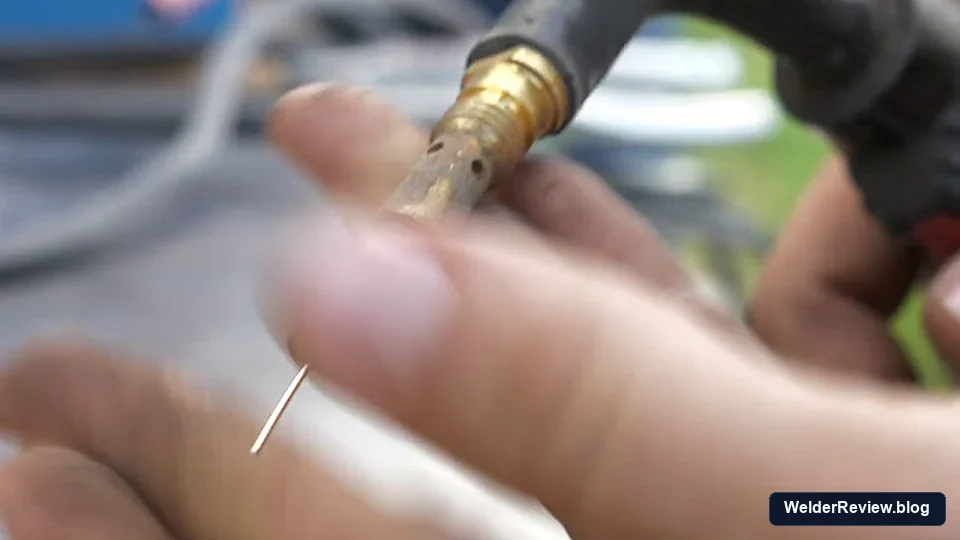
Conversely, MIG welding feeds a continuous solid wire through a motorized gun while external shielding gas protects the puddle. Choosing from our best beginner mig welders selection simplifies this setup for new fabricators.
TIG welding takes an entirely different path by utilizing a non-consumable tungsten electrode. The operator manually feeds filler rod into the weld puddle while shielding gas flows continuously through a specialized torch body.
- Arc uses consumable flux-coated electrodes for robust outdoor shielding.
- MIG relies on motorized wire feed drives and external bottled gas.
- TIG employs non-consumable tungsten and manual filler rod manipulation.
Power Source Engineering
Welding machines require specific electrical topologies to maintain stable arcs across varied materials. Inverter technology has largely replaced heavy transformer designs, offering lightweight portability and precise amperage control across all three processes.
Duty cycle ratings dictate how long a machine can operate continuously before thermal overload protection triggers. Industrial equipment typically features higher ratings to sustain heavy production schedules without unexpected downtime interruptions.
- Inverter architecture reduces machine weight while improving arc stability.
- Duty cycles define safe operating limits under heavy industrial loads.
Real-World Performance and Metal Thickness
Performance metrics vary dramatically when you transition from thin automotive sheet metal to heavy structural steel beams. Arc welding dominates heavy construction sites where wind and rust compromise other delicate gas-shielded processes.
MIG welding provides exceptional travel speeds and high deposition rates for fabrication shops building trailers or roll cages. The continuous wire feed minimizes stopping and starting, boosting daily productivity metrics significantly across projects.
TIG welding delivers unmatched aesthetic quality and metallurgical control on exotic alloys like aluminum and stainless steel. Precision heat input prevents distortion on delicate components found in aerospace and custom motorcycle fabrication.
- Stick excels on thick, rusty, or painted steel surfaces outdoors.
- MIG maximizes workshop productivity through continuous wire deposition.
- TIG offers supreme control for thin gauges and exotic metals.
Handling Joint Variations
Fit-up tolerances test the adaptability of every welding process during actual fabrication tasks. Stick welding bridges wide gaps easily because the heavy slag and viscous puddle support molten metal across imperfect joint alignments.
MIG and TIG require much tighter joint fit-up to produce sound structural welds without burn-through. Review our best mig tig plasma combo guide to compare versatile multi-process units for your shop.
- Stick tolerates poor fit-up and wide gaps with relative ease.
- MIG and TIG demand precise joint preparation for optimal results.
Setup Complexity and Usability Demands
Operator skill requirements dictate how quickly a novice can produce structurally sound welds on actual projects. MIG welding stands out as the most beginner-friendly process, allowing operators to master basic techniques within a few hours.
Arc welding demands patience and steady hand-eye coordination to maintain a tight arc length as the consumable electrode burns down. Striking an arc without sticking the rod requires muscle memory developed through consistent practice sessions.
TIG welding represents the pinnacle of manual dexterity challenges in modern metal fabrication environments. Operating a foot pedal while simultaneously feeding filler rod with your opposite hand requires advanced motor skills.
- MIG offers the shortest learning curve for new workshop fabricators.
- Stick requires mastering arc strike and consistent travel angles.
- TIG demands simultaneous two-handed coordination and foot control.
Preparation and Cleanup Demands
Pre-weld preparation and post-weld cleanup consume valuable labor hours in any professional production facility. Slag removal is mandatory after every pass with stick welding, requiring chipping hammers and wire brushes constantly.
MIG and TIG produce minimal post-weld cleanup if shielding gas coverage and parameters are dialed in correctly. However, TIG requires meticulous chemical cleaning of base metals to remove surface oxides before welding begins.
- Stick welding generates extensive slag that requires mechanical removal.
- TIG requires pristine base metal cleaning to prevent weld contamination.
Efficiency, Power Draw and Operating Footprint
Workshop space and electrical infrastructure limit the types of welding equipment you can safely operate. Power efficiency varies between processes based on arc voltage requirements and electrical conversion losses inside the machine housing.
MIG systems require shielding gas cylinders, wire spools, and bulky cart setups that consume valuable floor space around the shop. Arc machines maintain a smaller physical footprint since they only require an electrode holder and ground clamp.
TIG setups also demand dedicated cylinder storage for pure argon gas alongside water coolers for heavy-duty production torches. Balancing these equipment footprints ensures your workshop remains organized and safe for daily operational workflows.
- Stick machines maintain compact footprints without gas cylinder clutter.
- MIG and TIG require dedicated space for shielding gas bottles and carts.
Consumable Economics
Consumable costs directly impact the long-term operational budget of any professional fabrication or repair business. Contact tips and nozzles for MIG guns wear out regularly during high-volume production runs, requiring constant inventory management.
Stick electrodes feature a low initial cost per pound, but stub loss wastes material. Reading our guide on troubleshooting tig arc wander causes helps prevent tungsten contamination during precision welding.
- MIG guns consume contact tips and nozzles during heavy production.
- TIG operations require regular tungsten electrode maintenance and shaping.
Maintenance Routines and Consumables Longevity
Preventative maintenance extends the operational lifespan of your welding equipment and prevents unexpected job site failures. Drive rolls in MIG wire feeders accumulate metal shavings and debris, requiring periodic cleaning with compressed air.
Arc welding machines feature fewer moving parts, making them exceptionally reliable in dusty or harsh industrial environments. Keeping internal circuit boards clean from metal dust prevents electrical short circuits and premature component failures over time.
TIG torches require inspection of O-rings, back caps, and ceramic cups to prevent atmospheric gas contamination during welding. Replacing damaged torch components promptly ensures consistent shielding gas coverage and sound metallurgical bond creation.
- MIG wire feed mechanisms need regular cleaning to prevent birdnesting.
- Stick welders offer rugged reliability with minimal internal moving parts.
- TIG torches demand careful inspection of gas seals and torch consumables.
Cable and Connection Care
Electrical resistance builds up quickly when welding cables and ground clamps suffer from corrosion or loose mechanical fasteners. Proper storage prevents kinks in MIG gun liners and keeps stick electrode leads from fraying prematurely.
Inspecting quick-connect fittings and power input plugs prevents dangerous overheating conditions during high-amperage welding operations. Routine safety checks safeguard both your expensive equipment and workshop personnel from electrical hazards.
- Coiling cables correctly prevents internal copper strand breakage.
- Checking electrical connections eliminates dangerous resistance heating.
Material Compatibility and Joint Quality
Different metals demand specific thermal inputs and shielding environments to achieve maximum structural integrity and corrosion resistance. Carbon steel accommodates all three processes successfully, though the choice depends on thickness and aesthetic demands.
Aluminum welding presents unique challenges due to its high thermal conductivity and stubborn surface oxide layer. TIG and specialized spool-gun MIG setups handle aluminum effectively, whereas stick welding aluminum requires specialized coated electrodes.
Stainless steel fabrication benefits greatly from TIG welding because it prevents carbide precipitation and preserves corrosion resistance. MIG can weld stainless steel rapidly, but spatter management and post-weld pickling require additional labor steps.
- Carbon steel is universally compatible with stick, MIG, and TIG.
- Aluminum requires TIG precision or dedicated MIG spool gun systems.
- Stainless steel thrives under TIG control for pristine corrosion resistance.
Metallurgical Soundness
X-ray quality welds demand strict adherence to welding procedures and flawless puddle manipulation techniques. Porosity prevention requires dry consumables and proper shielding gas flow rates to eliminate atmospheric contamination risks completely.
Heat-affected zones must be managed carefully to preserve base metal mechanical properties and prevent cracking in high-strength steels. Choosing the correct filler metal chemistry matches the base material strength and elongation requirements.
- Gas coverage protects molten pools from atmospheric porosity defects.
- Filler metal selection ensures matching mechanical strength properties.
Choosing the Right System For Your Shop
Selecting between arc, MIG, and TIG welding requires an honest assessment of your typical projects and skill level. MIG machines provide the best all-around value for hobbyists and automotive fabricators seeking fast results.
Professional structural contractors should invest in rugged arc welders capable of enduring harsh outdoor weather conditions reliably. Precision artists and motorsport fabricators must prioritize TIG systems for ultimate control over complex joints.
Many modern multi-process machines combine several capabilities into a compact housing unit. Consulting our best budget mig welder overview helps balance power supply availability against equipment costs for your shop.
- MIG suits general shop fabrication and quick automotive repairs.
- Stick dominates outdoor structural construction and heavy maintenance tasks.
- TIG satisfies aerospace-grade precision and intricate artistic metalwork.
Final Purchasing Checklist
Before purchasing any welding equipment, verify your workshop breaker size and incoming electrical voltage supply limits. Input power compatibility ensures your machine delivers rated output without tripping breakers during heavy welding sessions.
Investing in quality safety gear, including auto-darkening helmets and leather jackets, protects you from harmful UV radiation.
- Verify workshop electrical supply matches machine power requirements.
- Prioritize professional-grade safety personal protective equipment.
Frequently Asked Questions
Which welding process is easiest for beginners to learn quickly?
MIG welding is widely considered the easiest process for beginners due to its continuous wire feed. It allows new operators to produce acceptable joints within hours of practice.
Can I weld aluminum effectively using standard stick equipment?
Welding aluminum with standard stick equipment is extremely difficult and rarely recommended. You need specialized aluminum electrodes or a dedicated TIG machine for clean results.
Why is TIG welding considered superior for thin metal fabrication?
TIG welding offers precise amperage control and independent filler metal addition. This prevents burn-through and distortion on delicate sheet metal components.
Do I need shielding gas when performing conventional arc welding?
Conventional stick welding generates its own shielding gas through the flux coating. The melting flux creates a protective gas shield and slag layer automatically.
What is the primary maintenance requirement for MIG welding systems?
MIG systems require regular cleaning of drive rolls and replacement of contact tips. Keeping the wire liner clean prevents feeding hesitation and erratic arc behavior.