AC vs DC TIG Welding: Choosing the Right Current
Selecting the correct electrical current determines weld penetration and cleaning action. Understanding these core parameters ensures high-integrity joints on diverse structural metals.

Choose AC power for aluminum fabrication requiring oxide removal, and select DC power for deep penetration on carbon steel and stainless steel alloys.
Compare all top models in our Best Welder: Top Home Shop & Jobsite Picks Tested.
Side-by-Side Breakdown
| Criteria | Ac | Dc Tig Welding | Edge |
|---|---|---|---|
| Core Design / Build | Inverter architecture with alternating polarity | Constant current rectification for unidirectional flow | Depends on Metal |
| Real-World Performance | Excels on aluminum cleaning and thin plate | Dominates heavy steel and alloy penetration | Tie |
| Ease of Setup & Use | Requires balance and frequency tuning | Straightforward amperage and gas pre-flow setup | DC Tig Welding |
| Durability & Reliability | High thermal stress on tungsten electrodes | Stable arc with lower tungsten wear rates | Dc Tig Welding |
| Efficiency / Operating Footprint | Higher transformer losses during wave switching | Maximum electrical efficiency and steady output | Dc Tig Welding |
| Maintenance Requirements | Frequent balling or shaping of tungsten tips | Standard pointed grind maintains sharp arcs | Dc Tig Welding |
| Best Ideal Use Case | Aerospace and automotive aluminum housings | Industrial piping and structural carbon steel | Depends on Metal |
Core Design and Engineering Differences
Modern welding machines utilize advanced inverter technology to manipulate electrical current. Engineers design these power sources to deliver distinct output characteristics tailored for specific metallurgical challenges encountered in professional fabrication environments.
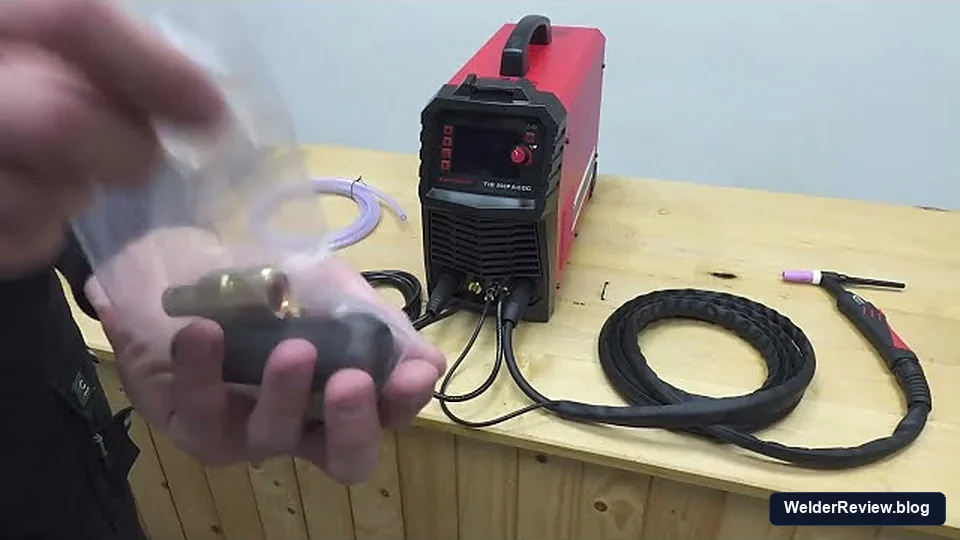
Alternating current continuously switches between positive and negative polarities. This dynamic shifting creates a unique cleaning action on the workpiece surface while simultaneously distributing heat evenly across the tungsten electrode and metal.
Direct current maintains a single unidirectional flow of electrons throughout the entire welding cycle. This constant path concentrates roughly seventy percent of total heat directly onto the workpiece for maximum penetration depth.
Transformer versus inverter topologies dictate modern welding machine architecture. Inverter power sources utilize high-frequency switching to drastically reduce physical footprint while simultaneously improving electrical efficiency during prolonged structural fabrication cycles.
Direct current architectures rely on solid-state diode bridges to deliver continuous, unidirectional electron flow. This design provides exceptional arc stability and deep penetration profiles required for heavy-duty carbon steel assemblies.
Alternating current engineering requires sophisticated square-wave generators to rapidly reverse polarity. This hardware switching cleans refractory surface oxides by alternating between electrode positive and negative phases seamlessly.
- Alternating current reverses polarity during every single cycle.
- Direct current concentrates thermal energy onto the workpiece.
- Inverter architecture enables precise digital frequency adjustments.
Polarity Dynamics in Power Sources
Understanding internal transformer design helps operators optimize their welding parameters. Choosing the best cup for aluminum welding ensures proper gas coverage and cleaning action.
Direct current setups eliminate complex wave shaping circuitry, resulting in highly reliable power delivery for heavy industrial applications and remote site maintenance operations.
- Switching speed alters cleaning zone width.
- Simplified circuitry improves field reliability.
Real-World Performance Comparison
Evaluating real-world performance requires examining how each current interacts with difficult base materials. Fabricators must balance travel speed, bead profile, and heat input to prevent distortion on thin-gauge components.
Alternating current shines when joining aluminum alloys and magnesium components. The reverse polarity phase strips away stubborn surface oxides, while the straight polarity phase provides necessary penetration without destroying the joint.
Direct current proves indispensable when welding carbon steel, stainless steel, and titanium. The unwavering arc delivers deep puddle penetration and fast travel speeds required for structural tubing and pressure vessel fabrication.
Field testing reveals distinct operational characteristics when joining structural joints under heavy industrial workloads. DC setups maintain narrow, highly concentrated arc cones, yielding superior travel speeds on stainless steel pipe.
Conversely, alternating current operation introduces thermal balance challenges due to constant polarity reversals. Welders must compensate by adjusting balance controls to prevent premature tungsten melting during aluminum plate fabrication.
Joint cleanliness demands vary significantly between these two operational modes. Direct current applications require meticulous mechanical prep, whereas AC cleaning action tolerates minor surface contamination during production welding tasks.
- Aluminum oxides demand alternating current cleaning action.
- Stainless steel benefits from direct current stability.
- Travel speeds increase significantly under direct current.
Bead Profile and Penetration Depth
The physical shape of the weld bead reflects the underlying electrical physics. Alternating current produces a wider, shallower bead profile with a clearly visible etched cleaning band.
Direct current concentrates thermal energy into a narrow, deep penetration profile. This focused arc geometry minimizes overall heat-affected zones and reduces distortion on critical structural assemblies.
- Alternating current creates wider etched margins.
- Direct current maximizes root penetration depth.
Material Compatibility and Arc Physics
Metalurgy dictates that different elemental compositions react uniquely to electrical bombardment. Selecting the improper current configuration often leads to lack of fusion, tungsten contamination, or excessive oxide buildup.
Aluminum and its alloys form a microscopic refractory oxide layer with a high melting point. Alternating current breaks down this stubborn barrier, exposing clean base metal for successful coalescence.
High-density materials like carbon steel lack refractory surface barriers. Applying direct current allows the arc to effortlessly overcome surface tension and achieve complete joint penetration on thick plates.
Arc physics dictate that electrons bombard the workpiece during direct current electrode negative operations. This concentrated thermal energy generates deep, narrow weld pools ideal for heavy structural titanium and steel.
Aluminum alloys develop tough, insulating surface oxides melting at 2072 degrees Fahrenheit. Alternating current effectively shatters these microscopic barriers through continuous cathodic cleaning action during the electrode-positive cycle phase.
Selecting appropriate shielding gas mixtures directly influences arc constriction and thermal transfer efficiency. Pure argon or helium-argon blends optimize arc stability across varying material thickness specs.
- Refractory oxides require continuous polarity reversal.
- Carbon steel accepts concentrated electron bombardment easily.
- Titanium demands strict inert gas shielding coverage.
Managing Tungsten Electrode Geometry
Tungsten preparation differs drastically depending on your chosen electrical mode. Review our guide on sharpening tungsten to ensure proper arc control during high-amperage operations.
Direct current requires a sharply tapered point to maintain a focused arc cone. Proper grinding techniques prevent wandering arcs and ensure consistent puddle control during root passes.
- Alternating current creates a rounded ball tip.
- Direct current demands a precise tapered grind.
Maintenance, Efficiency and Longevity
Equipment longevity depends on managing thermal loads and keeping internal electrical components clean. Modern welding machines incorporate cooling fans and thermal overload sensors to protect sensitive inverter boards.
Alternating current operation places higher thermal stress on the tungsten electrode because heat splits evenly between the torch and workpiece. This requires frequent electrode maintenance and careful gas post-flow tuning.
Direct current systems generally experience lower internal component stress during standard steel fabrication. Electrical efficiency remains remarkably high, translating into lower operating costs over extended production shifts.
Preventive maintenance routines differ depending on the primary electrical waveform utilized daily. Inverter systems demand regular internal dust clearance using dry compressed air to protect sensitive solid-state circuit boards.
Tungsten electrode preservation requires distinct grinding techniques for each operational mode. Pure or lanthanated electrodes utilized in AC setups form rounded ball tips, unlike the sharp points required for DC applications.
Electrical efficiency ratings heavily favor modern inverter-based power sources over older transformer units. High power factor correction modules minimize idle energy consumption during prolonged shop operation shifts.
- Thermal stress increases during alternating current cycles.
- Direct current offers superior electrical efficiency ratings.
- Proper cooling fans extend overall machine lifespan.
Preventative Care for Machine Health
Routine maintenance prevents unexpected downtime in busy fabrication shops. Technicians should inspect power leads, gas hoses, and internal transformers for dust accumulation and loose electrical connections.
Cleaning high-frequency points and checking water cooler flow rates guarantees stable arc initiation. Taking these proactive steps preserves equipment value and ensures consistent weld quality year after year.
- Inspect electrical connections for resistive heating.
- Clean internal dust accumulation from inverter boards.
Setup Ergonomics and Power Requirements
Operator comfort and workshop power availability heavily influence equipment selection. Advanced machines feature digital interface panels that simplify parameter adjustments for novice and veteran fabricators alike.
Configuring an alternating current setup involves balancing frequency and cleaning percentage controls. These settings let operators fine-tune arc constriction and oxide removal rates for specialized aerospace components.
Direct current setup remains remarkably simple and user-friendly. Operators primarily focus on amperage selection, shielding gas flow rates, and tungsten stickout to achieve flawless weld geometry every time.
Facility electrical engineers must evaluate primary input voltage requirements before installing industrial welding equipment. Exploring our Miller Diversion 180 technical review helps verify specific power demands.
Torch ergonomics and cable management directly impact operator fatigue during long production shifts. Lightweight water-cooled torches reduce wrist strain when executing continuous welds on large structural weldments.
Ground clamp placement remains critical for preventing arc blow and magnetic interference issues. Securing the work lead close to the joint ensures consistent current path geometry and optimal welding arc stability.
- Digital interfaces streamline complex parameter adjustments.
- Frequency controls alter acoustic noise and arc focus.
- Direct current simplifies daily shop floor setup.
Input Power and Generator Compatibility
Modern multi-process machines require stable input power to perform complex waveform calculations. Facility managers must verify breaker ratings and input voltage requirements before installation.
Field generators need adequate surge capacity to handle high-frequency arc starting circuits without damaging sensitive internal capacitors or inverter transistors during remote pipeline projects.
- Verify breaker capacity before machine installation.
- Ensure generators provide clean, stable input power.
Advanced Waveform Control Options
Advanced welding machines offer customizable waveform controls that go far beyond standard sine waves. Fabricators can program rectangular or triangular outputs to optimize puddle dynamics for critical applications.
Square wave technology delivers rapid transition between positive and negative polarities. This immediate switching maximizes cleaning action while maintaining a remarkably stable and focused arc column.
Advanced square wave balancing lets operators reduce the cleaning percentage to increase travel speed. This capability improves productivity when joining thick aluminum plates in heavy industrial environments.
Advanced digital signal processors allow fabricators to customize alternating current wave shapes beyond traditional sine outputs. Advanced square-wave profiles deliver rapid zero-cross transitions for improved arc force concentration.
Adjusting AC frequency parameters lets operators manipulate puddle width and arc constriction directly. Higher frequencies produce focused, pencil-like arcs ideal for precision fillet welds on thin aerospace sheet metal.
Independent amperage control over positive and negative cycles optimizes cleaning versus penetration ratios. This precise thermal management prevents tungsten degradation while maximizing weld puddle control on critical structural joints.
- Square waves accelerate polarity transition speeds.
- Customizable balances optimize travel speed and penetration.
- Triangular waves reduce total heat input significantly.
Optimizing Output Frequencies
Adjusting the output frequency directly impacts arc stiffness and directional control. Higher frequencies constrict the arc cone, allowing precise placement inside tight joint configurations.
Lower frequencies produce a wider, softer arc column suitable for building up worn edges. Mastering these advanced adjustments transforms ordinary welders into versatile fabrication powerhouses.
- High frequency constricts the welding arc cone.
- Low frequency widens the puddle for buildup tasks.
Which Option Fits Your Shop Setup
Choosing between these power modes depends entirely on your primary manufacturing materials. Shops focusing on aluminum structures require robust alternating current capabilities for successful daily production runs.
Fabricators working exclusively with structural steel, stainless steel, or chrome-moly alloys will find direct current machines more than adequate. Investing in multi-process equipment covers all potential future requirements.
Evaluating your typical material thickness and production volume ensures maximum return on investment. Matching machine specifications to real-world tasks guarantees superior weld integrity and long-term customer satisfaction.
Assessing your shop production goals clarifies whether a dedicated DC unit or a comprehensive AC/DC machine is necessary. Automotive repair shops focusing on sheet steel require entirely different capabilities than heavy fabrication yards.
Budgetary planning must account for long-term operational versatility rather than just initial equipment acquisition costs. Investing in multi-process capability future-proofs your facility against changing customer alloy specifications.
Safety compliance and ventilation infrastructure must be prioritized when expanding operational capacity. Selecting the best TIG welding machine for aluminum ensures reliable arc starts and consistent weld puddle quality.
- Aluminum fabrication demands reliable alternating current.
- Steel and stainless projects thrive on direct current.
- Multi-process units offer maximum operational versatility.
Making the Final Purchasing Decision
Careful assessment of your current workload prevents unnecessary equipment expenditures. Prioritize essential features like duty cycle, voltage compensation, and local technical support availability.
Consulting experienced welding engineers helps clarify complex technical specifications. Selecting the correct machine configuration lays a solid foundation for high-quality metal fabrication and business growth.
- Assess workload demands before buying equipment.
- Prioritize duty cycle and local service support.
Frequently Asked Questions
Can you weld aluminum using direct current power?
Welding aluminum with direct current is possible using helium shielding gas and electrode positive polarity, but it causes rapid tungsten degradation. Therefore, alternating current remains the industry standard for reliable oxide cleaning.
Why does alternating current cause a loud acoustic sound?
The rapid switching between positive and negative polarities causes the air column to vibrate audibly. Modern inverter machines feature advanced square wave controls that significantly reduce this annoying high-frequency whining noise.
What tungsten type works best for alternating current?
Lanthanated or cerated tungsten electrodes perform exceptionally well during alternating current operations. These specialized alloy additions maintain a stable arc cone and resist splitting under intense thermal cycling conditions.
Does direct current electrode positive provide deep penetration?
Direct current electrode positive actually concentrates heat onto the tungsten electrode rather than the metal. Consequently, this configuration results in shallow penetration and requires oversized tungsten diameters to prevent melting.
How does inverter technology improve modern welding machines?
Inverter technology utilizes high-frequency transformers to reduce physical machine weight while increasing electrical efficiency. These sophisticated digital circuits enable precise waveform adjustments that traditional transformer units cannot achieve.